
Choosing the 2026 best Full Body Traction Device for home use requires more than comparing prices or dramatic promises. A suitable device should provide controlled support, secure body positioning, adjustable tension, and clear instructions. It should also fit the user’s height, weight, mobility, and living space. Small details matter, such as padded straps, stable door or floor attachments, and simple release controls.
Real-world comfort deserves attention. A device may look impressive online but feel restrictive after ten minutes. Some users may notice temporary relief, while others may experience increased discomfort, numbness, or dizziness. Stop immediately when symptoms worsen. Professional guidance matters, especially for people with spinal injuries, osteoporosis, recent surgery, pregnancy, nerve symptoms, or unexplained pain. A licensed healthcare professional can help determine whether traction is appropriate.
This guide examines construction quality, adjustment range, user experience, maintenance, and safety features. It also considers manufacturer transparency, warranty terms, and available clinical guidance. Marketing language can be persuasive. Evidence may be limited.
The most expensive option is not automatically the safest. A lower-cost model may work well when used correctly, but poor fit can create unnecessary strain. Personal experience is useful, yet it cannot replace medical assessment. Regulatory clearance and product standards also vary by country, so buyers should verify local requirements before purchasing. The goal is practical support, not a miracle cure. Careful comparison can make home use more informed, controlled, and realistic.
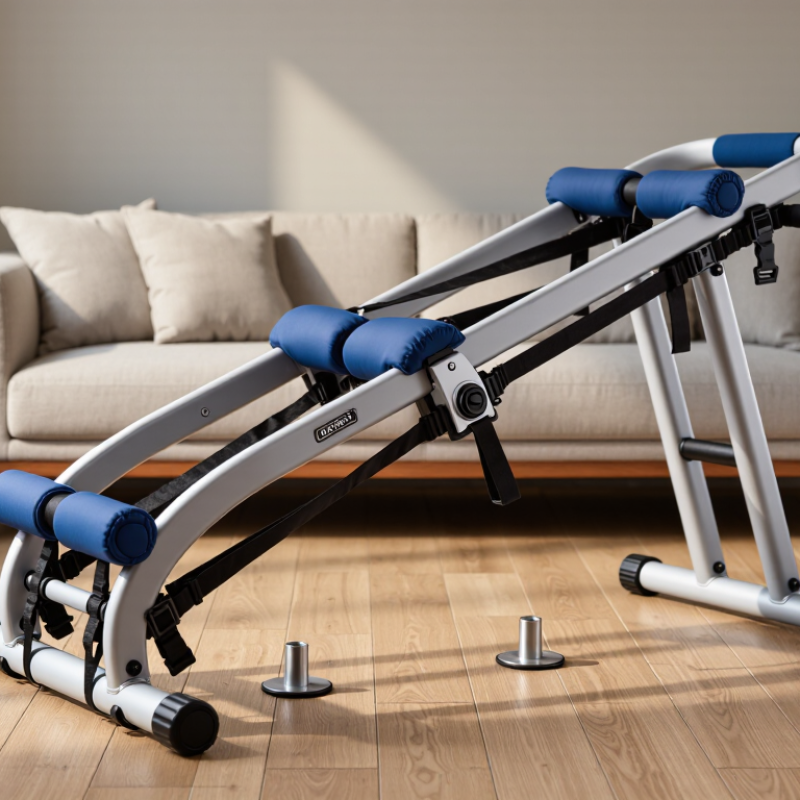
A Full Body Traction device gently stretches the body along its length. It usually combines a padded surface, adjustable supports, straps, or a controlled lifting angle. The goal is to reduce compressive pressure around the spine and create temporary space between joints. “Full body” is not a standardized medical term, however. Some devices mainly target the lower back, while others include the neck, hips, and legs.
The World Health Organization reported that low back pain affected about 619 million people worldwide in 2020. That number may reach 843 million by 2050. These figures explain the interest in home-based relief, but they do not prove that traction works for everyone. A Cochrane review found little or no meaningful benefit from traction for many people with low back pain, including some cases involving sciatica. The evidence remains uneven.
From practical experience, comfort and control matter more than dramatic stretching. A useful device should allow small adjustments, stable support, clear instructions, and an easy release mechanism. Start with short sessions. Stop if numbness, sharp pain, dizziness, or weakness appears. People with recent injuries, fractures, severe osteoporosis, circulation problems, or unexplained pain should seek professional advice before use. I would not call traction a cure. That claim is too confident. A home device may support mobility for some users, but careful assessment still matters more than aggressive pulling.
Full body traction uses controlled pulling force to lengthen the spine and reduce pressure around certain joints. A home device may use a padded table, harnesses, straps, or adjustable support points. The user lies down while gentle tension creates a stretching sensation through the back, hips, and legs. It should feel steady, not sharp or forceful.
The potential benefits are usually modest and temporary. Some users report less back stiffness, easier movement, or brief relief after sitting for long periods. Traction may also encourage relaxation around tense muscles. However, research findings remain mixed, and traction is not a proven cure for disc problems or chronic pain. The phrase “full body” can sound impressive, but the actual force often focuses mainly on the spine.
Safe use depends on fit, pressure, and personal health history. A qualified clinician can help identify whether traction is suitable, especially with numbness, weakness, osteoporosis, recent injury, or unexplained pain. Start with short sessions and low tension. Stop if symptoms spread, become sharper, or continue afterward. Never sleep while using the device. In my view, comfort is not enough evidence of effectiveness. A careful symptom record can reveal whether movement improves over several days, rather than relying on one relaxing session.
In 2026, the best full body traction device for home use should prioritize controlled adjustment over maximum pulling force. Users need a stable frame, padded support, and a harness that spreads pressure across the pelvis and chest. A clear force scale matters. So does a timer and an emergency release. These details make short sessions easier to monitor.
The World Health Organization reported that low back pain affected about 619 million people in 2020, with cases projected to reach 843 million by 2050. This demand encourages better home equipment, but stronger traction is not automatically safer. A Cochrane review found limited evidence that traction improves low back pain compared with other treatments. That finding deserves attention. A device may feel relieving without correcting the underlying problem. Choose models with gradual force changes, multiple body-position settings, and documented load limits. Electrical parts should have recognized safety testing. Manual controls are still useful during power loss.
Tips: Begin with the lowest setting and a short session. Keep your feet supported and avoid twisting. Stop if numbness, weakness, dizziness, or sharp pain appears. A clinician should review traction when symptoms travel down the leg, follow an injury, or persist. I would also record session time, force, and symptoms. Comfort can be misleading, and personal response varies. Always check the user manual before increasing tension.
Choosing a full-body traction device starts with the diagnosis, not the product. The World Health Organization reports that 619 million people experienced low back pain in 2020. That number may reach 843 million by 2050. Pain is common, but traction is not automatically suitable.
Ask a qualified clinician whether traction matches your condition. The NICE guideline NG59 advises against traction for routine low back pain or sciatica. A Cochrane review also found little or no meaningful benefit for many patients. These findings should shape realistic expectations. Relief may be temporary. It may not happen.
Check the device’s weight range, harness pressure, adjustment controls, and emergency-release system. Your body should remain stable, with no sharp pain, numbness, dizziness, or breathing difficulty. Stop immediately if symptoms spread into an arm or leg. Avoid unsupervised use after a recent fracture, spinal surgery, severe osteoporosis, or suspected spinal infection. Medical clearance matters.
A safe home setup needs a firm floor, clear space, and careful timing. Start with the lowest effective force. Do not copy online routines blindly. A device can feel comfortable while increasing irritation. My checklist is useful, but imperfect; clinical assessment remains stronger than confident advertising. Cite: World Health Organization, Low Back Pain Fact Sheet, 2023; NICE Guideline NG59; Cochrane Database of Systematic Reviews, traction for low-back pain.
A practical comparison of common home traction categories and the safety features that matter most.
| Device Category | Primary Target Area | Typical Home Adjustment | Common User Benefits | Key Safety Features to Look For | Space and Setup | Best Suited For | Main Limitations |
|---|---|---|---|---|---|---|---|
| Over-the-Door Cervical Traction | Neck and upper cervical region | Usually uses a water-weight, sand-weight, or pulley system. Force is adjusted gradually according to the instruction manual. | Compact option for short, controlled neck-traction sessions; generally less expensive than larger systems. | Padded head halter Stable door anchor Gradual adjustment Clear force limits | Small footprint; requires a strong, compatible door and enough clearance for the pulley system. | Adults seeking gentle, localized cervical traction after professional guidance. | Does not provide lumbar or whole-body traction. Poor fit or excessive force may cause neck discomfort, headache, or dizziness. |
| Inflatable Cervical Traction Device | Neck and upper back | Air chambers are inflated manually. Neck angle and support vary by design. | Portable and easy to store; may be useful for brief, low-force support while sitting or lying down. | Pressure control Neck padding Secure fastening Easy deflation | Very portable; usually requires no permanent installation. | Travelers or users who need a lightweight cervical-support option. | Provides limited force control and limited body coverage. Fit depends strongly on neck size and posture. |
| Lumbar Traction Belt or Harness | Lower back and lumbar region | Adjustable straps or an inflatable section create gentle abdominal or pelvic support. It is commonly used while lying down or standing. | Portable support for temporary use; may reduce the feeling of compression for some users. | Wide pelvic support Non-slip material Gradual tightening Correct sizing | Minimal storage needs; no dedicated frame is normally required. | Users who need a simple, low-profile lumbar support device. | Usually produces less consistent traction than a structured table. It cannot independently treat the neck and lower back together. |
| Portable Lumbar Traction Table | Lumbar spine and pelvis | Often uses a split platform, adjustable harness, and a manual or powered traction mechanism. Force and session time should be limited by the manual. | More consistent body positioning and force direction than a belt-only design. | Locking frame Pelvic harness Emergency release Stable handles | Requires floor space and safe assembly; folding models are easier to store but may be heavier. | Adults needing more structured lumbar positioning at home. | Not a true full-body device; user must be able to transfer onto and off the table safely. |
| Inversion Table | Spine and posterior body chain; traction is created by body angle and gravity | Usually includes adjustable inversion angles, ankle clamps, and a control handle or tether. | Allows different body angles and may provide a stretching sensation across the back and hips. | Secure ankle clamps Angle limiter Stable base Safety strap | Large footprint and significant overhead clearance; requires careful assembly and a level floor. | Physically capable users who can enter, invert, and exit without assistance. | Not suitable for everyone. Head-down positioning can affect blood pressure, eyes, balance, and circulation. |
| Full-Length Split-Platform Traction Table | Primarily the lumbar spine, with support extending through the torso, pelvis, and legs | Typically includes adjustable body length, pelvic and chest supports, and controlled longitudinal movement. | Offers more consistent alignment and broader body support than small belt-based devices. | Independent body supports Mechanical stop Emergency release Load rating | Needs substantial floor space, a stable surface, and enough room for safe transfer. | Users requiring a more comprehensive home setup and who have received professional instructions. | Higher cost, larger storage requirement, and greater risk if assembled or adjusted incorrectly. |
| Gentle Full-Body Stretching Mat or Frame | Back, hips, legs, and shoulders through supported stretching rather than strong spinal traction | Uses body position, straps, cushions, or low-tension elastic components. It should not create sharp or forceful pulling. | Provides a low-intensity mobility routine and may be easier to use than a mechanical traction table. | Low-tension straps Non-slip base Padded contact points Simple release | Usually compact and easy to store; generally suitable for bedroom or living-room use. | Users seeking gentle stretching rather than clinical-level traction. | It is not equivalent to medically supervised traction and may not provide measurable or consistent spinal force. |
Important: Home traction devices differ substantially in design and force. The specifications shown are general device-category characteristics, not a substitute for the product manual or individualized advice from a qualified healthcare professional.
A full body traction device can support gentle stretching at home when it is set up carefully. Place it on a firm, level floor with enough space around every side. Check the frame, straps, handles, and locking points before each session. Nothing should wobble.
Follow the device instructions for body alignment. Your spine should remain neutral, not twisted or sharply bent. Begin with the lowest comfortable tension and a short session, such as five minutes. Breathe slowly, and avoid sudden pulling.
Stop immediately if you notice sharp pain, numbness, dizziness, weakness, or unusual pressure. Consult a qualified healthcare professional before use if you have had recent surgery, a fracture, severe osteoporosis, or another serious condition.
My first setup might feel awkward. That is normal, but it deserves correction rather than force.
Tips: Keep a small setup checklist nearby. Record the tension, duration, and how your body feels afterward. A gradual routine is easier to assess than an intense session. Never share straps without cleaning them. Wipe contact surfaces with a mild cleaner, then let them dry completely. Inspect stitching and fasteners weekly. Replace damaged parts through an approved repair channel, and never improvise with rope or metal hardware. Store the device away from moisture and direct heat. If symptoms continue after stopping, seek professional medical advice.