2026 Best Scaffold Plank Buying Guide for Global Buyers?
When searching for the best Scaffold Plank, buyers face numerous considerations. The quality and safety of scaffold planks are paramount in the construction industry. Selecting the right material can significantly impact project efficiency and worker safety. This guide provides global buyers with essential insights into what to look for in scaffold planks.
Scaffold planks should meet specific industry standards. Buyers must understand the differences between materials like wood, metal, and composite options. Each type of plank serves a unique purpose and has distinct advantages and disadvantages. Therefore, it’s crucial to reflect on the intended use and overall project requirements.
As you navigate this buying guide, consider your experiences and knowledge. A thoughtful approach can prevent costly mistakes. Keep in mind that each project is different, and what works for one may not work for another. The right scaffold plank can elevate your project to new heights—literally and figuratively. Always prioritize safety and reliability when making this critical choice.
Understanding Scaffold Planks: Material Types and Their Benefits
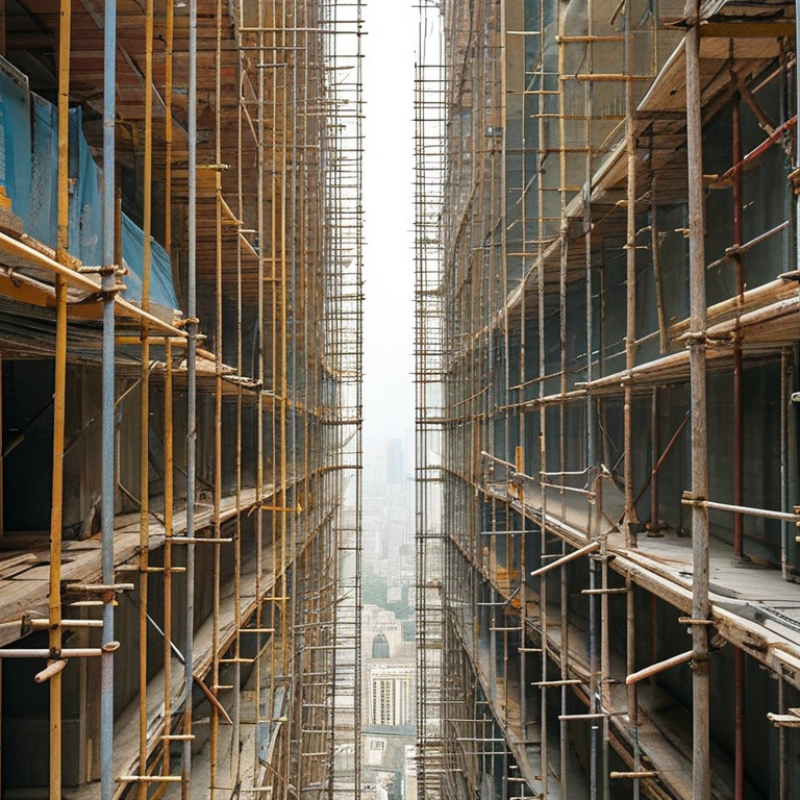
Scaffold planks are essential for construction and maintenance work. Understanding the material types is crucial for safety and efficiency. Common materials include wood, metal, and composite. Each material has unique benefits. For instance, wooden planks are easily available and cost-effective. However, they can warp or rot over time. Metal planks, often aluminum or steel, provide strength but may be heavier. Composite options combine durability and lightweight properties, although they can be pricier.
When selecting scaffold planks, consider the environment. Outdoor work requires materials resistant to weather effects. Wood may absorb moisture, while metals could corrode. Reflect on your specific needs, such as maximum load capacity. This helps ensure the right choice for your project.
Tip: Always inspect planks for damage before use. Look for signs of wear or cracks. Even small defects can compromise safety. Proper storage also matters. Keep planks dry and free from unnecessary weight when not in use. This prolongs their lifespan and maintains effectiveness.
Key Features to Consider When Buying Scaffold Planks
When selecting scaffold planks, several key features warrant careful consideration. Load capacity is crucial. According to the Occupational Safety and Health Administration (OSHA), many accidents occur due to overloading. Scaffold planks should be rated for the intended load, typically ranging from 50 to 100 pounds per square foot. Understanding your specific needs can prevent dangerous situations on-site.
Material type significantly impacts performance and durability. Wood and metal are common choices. Wood planks, while traditional, may require frequent inspections for splinters or decay. Steel or aluminum options offer increased resistance to weather elements. They tend to last longer but come with higher initial costs. Be cautious; selecting the wrong material can lead to costly replacements or safety hazards.
Surface traction is another vital aspect. Scaffold planks with a non-slip finish help reduce accidents. A study indicated that 30% of falls in construction environments are linked to inadequate traction. Workers need secure footing to maintain safety. Always prioritize planks designed with textured surfaces to enhance grip. These minute details are essential for safeguarding workers and improving overall site safety.
Global Standards and Regulations for Scaffold Plank Safety
When selecting scaffold planks, understanding global standards is crucial. The Occupational Safety and Health Administration (OSHA) mandates that materials must withstand a minimum of 3 times the intended load. This ensures structural integrity and worker safety. However, many suppliers fail to meet these standards, leading to unsafe practices.
The European Committee for Standardization (CEN) also offers guidelines. According to their EN 12811 standard, scaffold planks must be tested for bending strength and durability. Studies show that planks not meeting these specifications often result in accidents. A report from the International Labour Organization (ILO) highlighted that inadequate safety measures cause thousands of injuries annually.
Moreover, variations in regulations can lead to confusion. Different countries may interpret strength and safety specifications differently. It raises questions about the reliability of products that seem compliant but fail in real-world scenarios. Buyers should be vigilant, checking for certifications and testing results. A thorough understanding of these standards can significantly reduce risks.
Comparing Prices: Where to Buy Scaffold Planks Worldwide
When considering where to buy scaffold planks globally, it's essential to explore various options. Online marketplaces offer great convenience and often provide a wide range of prices. Buyers can compare costs easily. However, it can be challenging to ensure the quality of products when purchasing online. Researching supplier reviews helps gauge reliability.
Local suppliers can be advantageous for immediate needs and potential negotiating options. Visiting a local warehouse allows buyers to assess the quality firsthand. You may encounter limited selections, but building a relationship with a local provider can yield better service and insights.
Trade shows often feature scaffold manufacturers and suppliers. This option allows for direct interaction with companies. Attendees can gather materials and engage in discussions about products. Yet, navigating through information can be overwhelming. Finding trustworthy sources requires diligence and experience. Each purchasing decision shapes your project’s success, so clarity in sourcing is vital.
2026 Best Scaffold Plank Buying Guide for Global Buyers
| Region | Material Type | Average Price (per unit) | Supplier Ratings | Availability |
| North America | Wood | $35 | 4.5/5 | In Stock |
| Europe | Aluminum | €45 | 4.7/5 | Available |
| Asia | Fiberglass | ¥300 | 4.6/5 | Limited Stock |
| South America | Steel | R$150 | 4.4/5 | Pre-Order |
| Africa | Composite | R500 | 4.3/5 | In Stock |
Maintenance Tips for Extending the Life of Your Scaffold Planks
Scaffold planks are essential for construction projects, but they require proper care to ensure longevity. Regular maintenance is key. One crucial aspect is inspecting the planks for damages. Look for cracks, splinters, or warping. Damaged planks should be replaced immediately to prevent accidents.
Cleaning is another vital step. Dust and debris can accumulate, which may lead to deterioration over time. Use a mild detergent and a soft brush for cleaning. Rinse thoroughly and allow the planks to dry completely before storing them. Avoid stacking wet planks, as moisture can cause mold and decay.
Lastly, store your scaffold planks properly. Keep them in a dry, shaded area to protect them from direct sunlight and moisture. This helps prevent warping and extends their lifespan significantly. Consider elevating them off the ground to avoid contact with water. Implementing these maintenance tips can help ensure that your scaffold planks provide safe and reliable support for years to come.
2026 Best Scaffold Plank Durability Comparison