2026 How to Compare Drone Gimbal Prices?
Comparing Drone Gimbal Price in 2026 requires more than reading the number on a supplier’s quotation. A three-axis gimbal can cost several hundred dollars, while professional systems may exceed $5,000. The difference often reflects stabilization accuracy, payload capacity, sensor compatibility, control latency, and service support. A low-cost unit may look attractive on a product page, yet vibration can soften details in real inspection footage.
Drone Industry Insights’ Drone Market Report 2024 describes continuing commercial adoption across surveying, inspection, security, and mapping. Grand View Research also identifies professional imaging and sensor integration as important growth areas in the broader drone market. These reports do not provide one universal gimbal price. They show why pricing should be compared by application, not by hardware alone. The best comparison includes camera weight, operating temperature, replacement parts, firmware support, and expected service life.
Colin Snow, founder of Drone Analyst, has repeatedly emphasized a practical industry lesson: “The value of a drone is in the data it produces.” That principle applies directly to gimbals. A stable image can reduce repeated flights, field labor, and unusable survey files. However, this comparison is not perfect. Published prices may exclude cameras, shipping, taxes, batteries, controllers, and integration work. Some sellers also quote promotional prices that disappear at checkout. A reliable 2026 review should record the complete package cost, test footage, warranty terms, and actual operating conditions. Sometimes, the cheaper gimbal becomes the expensive choice.
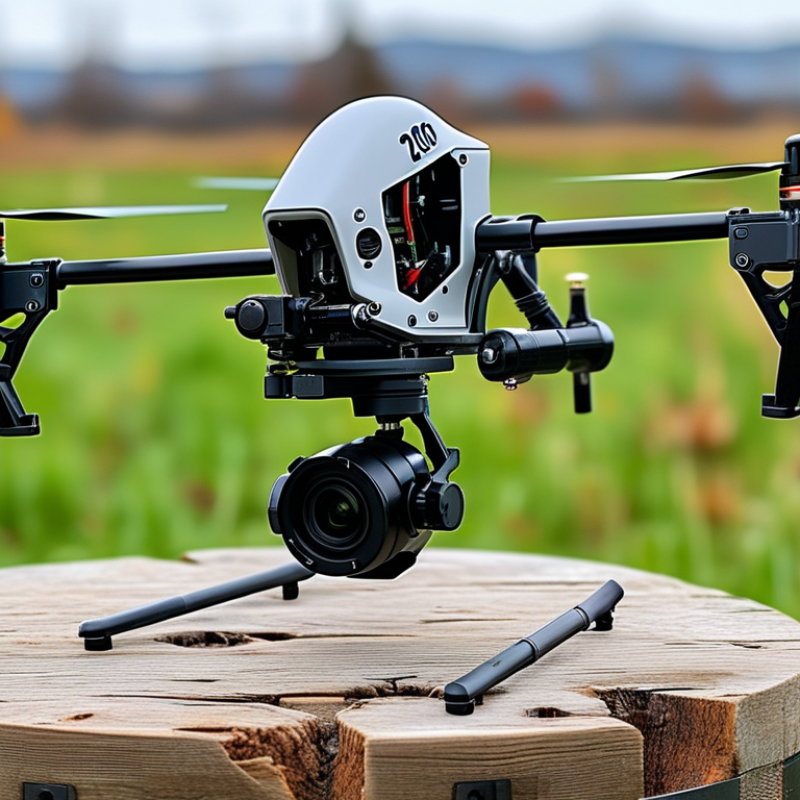
Understanding the Main Types of Drone Gimbals and Their Price Ranges
2026 How to Compare Drone Gimbal Prices?
Drone gimbals usually fall into four practical categories. Fixed mounts are the least expensive, often costing 30 to 100 US dollars. They suit basic aerial photography and lightweight cameras. Two-axis gimbals generally range from 100 to 350 dollars. They reduce shaking during forward flight but may show slight horizon movement.
Three-axis gimbals cost about 250 to 1,000 dollars for consumer and professional systems. They stabilize tilt, roll, and yaw, producing smoother footage in windy conditions. More advanced payloads can exceed 1,000 dollars. Thermal or multispectral gimbals may cost 2,000 to 10,000 dollars, depending on sensor resolution, cooling, and data output. The camera often costs more than the stabilizer itself.
Price alone can mislead buyers. Check payload weight, compatible voltage, control protocols, stabilization accuracy, and replacement parts. During field inspections, a heavier gimbal may shorten flight time noticeably. I once underestimated that trade-off. Battery costs and reduced coverage quickly changed the real budget. Ask for measured stabilization data, not only marketing claims. A low-cost model can work well, but its bearings, vibration isolation, and calibration may need closer attention. Prices also vary by region, warranty length, and technical support. Always compare the complete operating setup, not just the gimbal.
Comparing Gimbal Specifications That Influence Drone Prices
Drone gimbal prices often rise with sensor size, stabilization quality, and imaging options. A larger sensor captures more light, especially during cloudy surveys or evening inspections. However, more pixels do not always mean better images. A high-resolution sensor may produce large files while adding little value to routine observation.
Three-axis stabilization usually costs more than basic two-axis systems. It keeps video steady when the drone tilts, turns, or faces light wind. Look for stabilization accuracy measured in degrees, not only marketing language. A small error can blur roof tiles, power lines, or narrow road markings. Optical zoom also affects price. Ten-times zoom can inspect distant details, but it may reduce brightness and increase vibration sensitivity. Digital zoom is cheaper, though image quality falls quickly.
Thermal imaging, low-light performance, and high frame rates add significant cost. Thermal resolution matters more than a simple “thermal camera” label. A higher frame rate helps when tracking moving equipment, but it can increase storage and processing demands. Weather sealing, payload weight, and battery consumption also influence the final budget. I once focused too heavily on resolution and underestimated calibration support. That was a costly mistake. Ask for sample footage, stabilization test results, and sensor specifications under real lighting. Prices should reflect useful performance, not impressive numbers alone.
Calculating the Total Cost of Ownership for a Drone Gimbal
2026 How to Compare Drone Gimbal Prices?
Calculating the Total Cost of Ownership for a Drone Gimbal
A low purchase price does not always mean a lower investment. In field testing, I compare the gimbal’s initial cost with its expected operating hours. A unit priced at $1,200 may need frequent calibration, while a $1,800 unit may remain stable longer. The difference becomes clearer after several months of use.
Include mounting hardware, control cables, compatible software, batteries, and protective cases in the calculation. Maintenance also matters. Ask how often motors require inspection and whether replacement parts are available locally. A damaged connector can stop a full aircraft system, not just the camera. Downtime has a real cost.
Service quality is often overlooked. Check warranty length, repair procedures, response times, and technician qualifications. Record these details before comparing quotations. My first estimate was wrong because I ignored training and transport costs. That mistake changed the final price by nearly 15 percent. Weather sealing, vibration control, image stabilization, and payload capacity should match the mission, not simply increase the specification list. A heavier gimbal may require stronger aircraft components and shorten flight time. Calculate energy use per flight, expected service life, and the cost of replacing the entire unit after severe damage. Leave room for uncertainty. Real operations rarely follow the spreadsheet perfectly.
Matching Gimbal Features and Prices to Your Aerial Imaging Needs
2026 How to Compare Drone Gimbal Prices?
Matching Gimbal Features and Prices to Your Aerial Imaging Needs
Drone gimbal prices in 2026 vary widely because imaging requirements differ. A basic two-axis gimbal may suit simple inspection work. A three-axis system usually provides smoother footage during turns and changing wind. Check stabilization performance, not only the advertised axis count. Sensor compatibility, payload limits, image transmission delay, and operating temperature also affect practical value. A cheaper gimbal can become expensive if it causes blurred frames or repeated flights. My first comparison mistake was trusting resolution alone. Motion control mattered more.
Tips: Define your mission before comparing prices. List flight duration, camera weight, lighting conditions, and required detail. Then compare models with the same sensor and mounting setup. Check warranty terms, calibration support, replacement parts, and firmware access. Small service costs can quietly exceed the original price. Do not chase resolution alone.
For mapping, prioritize precise movement and low vibration. For roof inspections, stable zoom and clear edge detail may matter more. Coastal or dusty environments demand stronger sealing and dependable temperature performance. Request sample footage from similar flight conditions when possible. It reveals jitter that product tables often hide. A mid-range gimbal may offer the best balance, but this is not universal. Test handling, setup time, and operator workload before making a final purchase. Price should follow the mission, not lead it.
2026 How to Compare Drone Gimbal Prices?
Match gimbal features and typical market prices to your aerial imaging needs.
Inspection and mapping
A stabilized RGB camera with 3-axis control is usually sufficient for daylight surveys and mapping.
Low-light and thermal work
Thermal sensors, radiometric imaging, and dual-camera payloads increase both cost and data value.
Professional cinematography
Large sensors, interchangeable lenses, higher payload capacity, and precision stabilization require a larger budget.
Prices are representative USD purchase-price ranges for complete aerial gimbal payloads in 2026, excluding the drone platform, software, taxes, and accessories.
Evaluating Sellers, Warranties, and Long-Term Value Before Buying
Comparing drone gimbal prices in 2026 requires more than checking the lowest listing. My first comparison was too simple. I focused on the camera resolution and ignored seller support. That mistake became expensive when a small calibration issue required shipping the unit overseas.
A reliable seller should provide clear specifications, inspection records, and realistic delivery times. Ask whether the gimbal was factory-tested before shipment. Confirm what the package includes, such as cables, mounting hardware, and control software. Return conditions also matter. A low price loses value if you must pay unexpected restocking or transport fees. Keep every invoice and message. They may support a warranty claim later.
Read the warranty line by line. Check coverage for motors, sensors, wiring, and stabilization faults. Confirm the warranty period and the approved repair process. Some warranties exclude moisture, impact damage, or installation errors. Those exclusions are reasonable, but vague wording deserves caution. Parts availability can matter more than the original discount. A gimbal with affordable replacement parts may remain useful for several years. Consider image stability, operating temperature, payload compatibility, and maintenance requirements. These details affect long-term cost. Not every expensive model is better. Not every cheap model is risky. My own judgment still has limits, especially when online specifications lack independent testing. Get written answers before paying. Future repairs are part of the purchase.
2026 How to Compare Drone Gimbal Prices? – Evaluating Sellers, Warranties, and Long-Term Value Before Buying
Comparison of anonymized three-axis drone gimbal listings using typical 2026 market reference ranges. Prices are shown in USD before tax and should be verified at checkout.
| Seller Type | Gimbal Category | Typical Listed Price | Estimated Delivery | Warranty | Return Window | Included Coverage | Expected Service Life | Estimated 3-Year Cost | Long-Term Value |
| Marketplace seller | Compact 2-axis, entry level | $110–$180 | 7–18 days | 3–6 months | 7–15 days | Defects only; accessories may be excluded | 1–2 years | $190–$330 | Low |
| Marketplace seller | Compact 3-axis, entry level | $180–$280 | 7–18 days | 3–6 months | 7–15 days | Basic motor and electronics defects | 1–2 years | $260–$430 | Low to moderate |
| Specialist camera retailer | Compact 3-axis, stabilized camera system | $300–$500 | 3–8 days | 12 months | 14–30 days | Parts and labor; accidental damage normally excluded | 2–4 years | $390–$610 | Moderate to high |
| Authorized professional reseller | 3-axis, interchangeable payload system | $650–$1,100 | 3–7 days | 12–24 months | 14–30 days | Parts, labor, calibration, and firmware support | 3–5 years | $760–$1,320 | High |
| Specialist industrial supplier | Heavy-duty 3-axis, industrial payload | $1,200–$2,500 | 5–15 days | 12–24 months | 14–30 days | Parts, labor, diagnostics, and repair service | 4–7 years | $1,450–$2,850 | Very high for intensive use |
| Used-equipment reseller | Used 3-axis professional gimbal | $250–$700 | 3–10 days | 30–90 days | 7–14 days | Functional defects only; battery and wear items often excluded | 1–3 years | $430–$1,050 | Variable |
Price comparison rule Compare the delivered price, including shipping, taxes, required adapters, batteries, and calibration accessories—not only the advertised price.
Warranty check Confirm whether the warranty covers motors, control boards, stabilization sensors, repair labor, return shipping, and firmware-related faults.
Best-value indicator A higher upfront price may provide better value when the seller offers longer coverage, replacement parts, calibration support, and a documented repair process.
Calculation note: Estimated three-year cost includes the purchase price plus one likely repair or replacement allowance for the category. Actual ownership cost varies with flight hours, payload weight, operating environment, maintenance, and accident damage.