
Choosing the 2026 top Drip Tape Fittings requires more than comparing prices or connector shapes. Agriculture still accounts for roughly 70% of global freshwater withdrawals, according to FAO and UN-Water reporting. That pressure makes reliable micro-irrigation hardware increasingly important. A fitting may look minor, yet one cracked barbed connector can empty a lateral line overnight. Small parts can create large losses.
Market research from Grand View Research and MarketsandMarkets indicates continued growth in drip irrigation equipment, supported by water scarcity, protected cultivation, and precision farming. However, these reports usually group fittings with broader irrigation products. Their figures should not be treated as a precise fittings-only forecast. That limitation matters.
Charles M. Burt, founder of the Irrigation Training and Research Center, is widely associated with a practical principle: “Uniformity is the foundation of irrigation efficiency.” His point applies directly to Drip Tape Fittings. A technically advanced tape cannot compensate for poor sealing, uneven insertion, or incompatible internal diameters. The best 2026 fittings should therefore be judged by field performance, not marketing language. Look for consistent barb geometry, UV resistance, chemical compatibility, pressure stability, and tool-free or low-effort installation. Also inspect the weak points: gaskets, threads, clamps, and repeated connections.
Real farms are rarely perfect. Dust enters. Workers rush. Water quality changes. The strongest products tolerate those conditions while remaining easy to inspect and replace. This guide compares the leading Drip Tape Fittings through engineering evidence, supplier transparency, installation experience, and lifecycle value. Some rankings may remain debatable. That is useful. Reliable irrigation decisions deserve scrutiny, not automatic confidence.
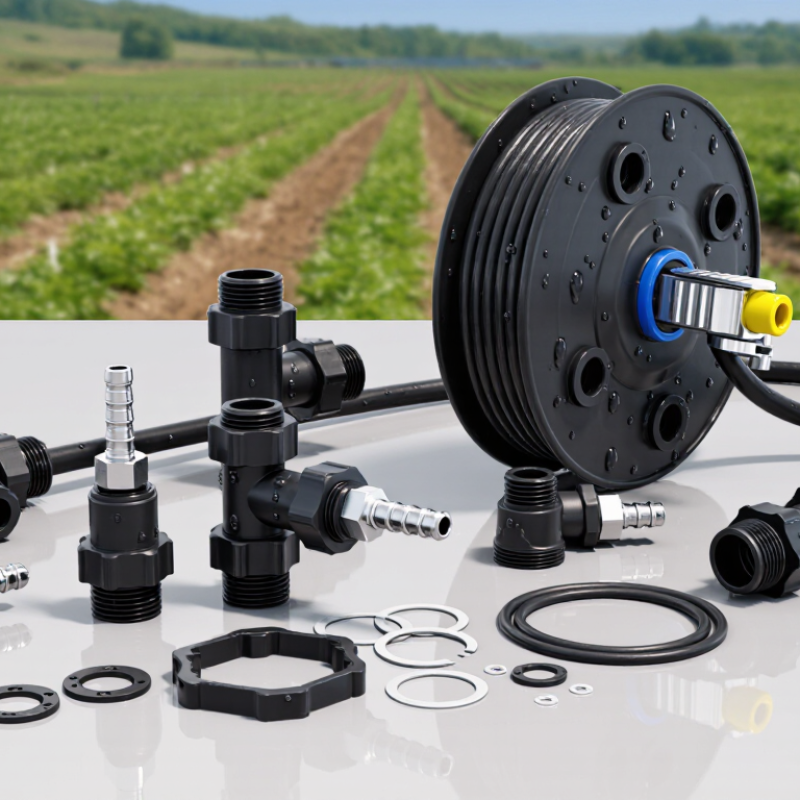
Drip tape fittings connect thin irrigation tape to water lines, valves, and field sections. Their purpose is simple: deliver steady flow without leaks, twisting, or sudden pressure loss. Common types include takeoff fittings, barbed connectors, repair couplers, end closures, flush valves, and filter adapters. Each fitting solves a different field problem.
Fitting selection matters because agriculture uses roughly 70% of global freshwater withdrawals, according to FAO AQUASTAT. Efficient connections help reduce avoidable water loss. The USDA’s 2018 Farm and Ranch Irrigation Survey also records broad use of drip and trickle irrigation in American agriculture. A reliable setup usually combines compatible tape diameter, correct barb size, filtration, and pressure regulation.
Small details matter. A takeoff should grip firmly without cutting the tape wall. A repair coupler should slide smoothly but resist pulling during installation. End closures must open easily for seasonal flushing. I have seen leaks caused by mismatched diameters, not poor materials. That mistake is easy to repeat.
The strongest 2026 choices are not defined by appearance. They are defined by fit, pressure tolerance, UV resistance, and easy maintenance. Yet no fitting is perfect. Sandy water, heat, and careless installation can shorten service life. Product data sheets and independent irrigation guidance should support every purchase decision.
In 2026, the best drip tape fittings are not simply the most popular options. They are fittings that match the tape’s dimensions, pressure, and field conditions. Common choices include takeoff connectors, straight couplers, control valves, flush ends, and repair connectors. Each part should suit the tape’s nominal diameter and wall thickness. A connector that feels tight may still damage thin tape during installation.
Check the tape specification sheet before selecting a fitting. Confirm the tape width, inside diameter, operating pressure, emitter spacing, and flow rate. Measure a sample roll when possible. Labels can be rounded, and small differences matter.
Barbed fittings should enter firmly without tearing the tape. Compression fittings often provide better control for delicate, thin-wall tape. Their seals must remain stable under pressure changes and fertilizer exposure. Choose materials rated for sunlight, moisture, and the chemicals used on your farm.
Field testing remains essential. Run water through a short section before installing hundreds of meters. Look for twisting, wet spots, sudden pressure loss, or slow leaks near the connector. I have found that a fitting can appear secure during dry assembly but loosen after repeated pressure cycles. That mistake is easy to miss. Recheck connections after one irrigation cycle, especially in sandy soil or uneven rows. Specifications guide the choice, but actual tape behavior should influence the final decision.
In 2026, drip tape fittings are judged by connection reliability, not appearance alone. A dependable fitting begins with suitable material selection. Acetal and engineered polypropylene offer strong chemical resistance, low weight, and stable performance under outdoor heat. For harsher water conditions, reinforced nylon can provide greater mechanical strength, although it may cost more. Use carefully. The best material still fails when exposed to incompatible fertilizers, excessive pressure, or repeated freezing.
Design details often decide whether a connection survives an entire irrigation season. A tapered barb should grip the tape without cutting its thin wall. Rounded entry edges reduce tearing during installation, especially when workers connect hundreds of lines. A broad sealing shoulder helps distribute pressure around the outlet. Threaded ends should have clean, consistent profiles and enough engagement for hand-tight assembly. Small gaskets matter. They compensate for minor surface irregularities and reduce slow leaks that are difficult to notice in wet soil.
On farms, I have found that easy inspection is almost as valuable as raw strength. Fittings with visible locking rings or clear insertion stops help crews confirm proper installation. Color contrast can also reveal missing parts before the system is pressurized. Still, no design removes human error. A fitting can be excellent, yet poorly seated tape will leak by morning. Pressure testing each block remains practical, even when schedules feel tight. I would also avoid claiming universal compatibility; tape thickness, inlet size, and water chemistry vary widely. That limitation deserves more attention.
| Fitting Type | Primary Materials | Common Tape Compatibility | Typical Connection Method | Typical Working Pressure Range* | Key Reliability Features | Best-Suited Application |
|---|---|---|---|---|---|---|
| Barbed Tape Start Connector | UV-stabilized polypropylene or glass-filled nylon; EPDM or silicone gasket | Commonly 16 mm, 17 mm, 22 mm and 5/8–7/8 in. tape sizes | Tape is pushed over serrated barbs and secured with a clamp or locking nut | Approximately 0.7–1.5 bar (10–22 psi), depending on tape wall thickness and clamp design | Multiple barbs, broad sealing shoulder, reinforced outlet and corrosion-free polymer body | Connecting drip tape to polyethylene header or submain pipe |
| Compression Tape Takeoff | Acetal, polypropylene or nylon body; EPDM sealing washer; stainless-steel or polymer nut | Most commonly used with 16–22 mm drip tape and polyethylene pipe outlets | Compression nut grips the tape or tube without requiring adhesive | Approximately 1.0–2.5 bar (15–36 psi), subject to pipe, gasket and nut specifications | Captive gasket, uniform compression, tool-free adjustment and reduced risk of tape pull-out | High-frequency installation and systems requiring quick replacement |
| Grommet Takeoff Connector | UV-resistant polypropylene or nylon; EPDM grommet; optional acetal locking insert | Drip tape connected to 16–25 mm polyethylene distribution pipe | A drilled header hole accepts a flexible grommet and barbed or threaded takeoff | Approximately 1.0–2.0 bar (15–29 psi), depending on hole size and header-wall thickness | Flexible grommet compensates for minor hole irregularities and helps prevent leakage | Retrofit manifolds and seasonal field layouts |
| Barbed Coupler or Joiner | Polypropylene or glass-filled nylon; optional EPDM O-ring or external clamp | Matching-diameter tape, typically 16, 17, 22 or 25 mm | Two tape ends are pushed onto opposing barbed sections | Approximately 0.7–1.5 bar (10–22 psi) | Long barbs, rounded entry profile, centered flow passage and optional locking clips | Repairing punctured tape and extending row lengths |
| Compression Coupler | Acetal or reinforced polypropylene; EPDM seal; polymer compression rings | Thin-wall and standard-wall tape where precise compression is required | Each tape end is inserted into a compression chamber and tightened by hand | Approximately 1.0–2.0 bar (15–29 psi), based on the fitting and tape rating | Even circumferential loading, replaceable seals and lower dependence on tape elasticity | Repeated repairs and installations using different tape wall thicknesses |
| Flush-End Valve | UV-stabilized polypropylene or nylon; EPDM diaphragm or sealing washer | Commonly 16–22 mm drip tape | Barbed or compression attachment with a manually operated flush outlet | Approximately 0.7–1.5 bar (10–22 psi) | Large flushing passage, positive shutoff, easy-grip handle and debris-tolerant flow path | Removing sediment from tape ends during startup and routine maintenance |
| Inline Shutoff Valve | Glass-filled nylon or polypropylene; EPDM or silicone seal components | Tape and microtube systems using 16–22 mm outlets | Barbed, compression or threaded connection installed in the row line | Approximately 1.0–2.5 bar (15–36 psi), depending on valve construction | Full-bore passage, quarter-turn handle, visible flow position and low-pressure sealing | Isolating individual rows and simplifying zone management |
| Threaded Adapter with Tape Barb | Polypropylene or reinforced nylon; EPDM O-ring; optional acetal locking nut | Tape connected to 1/2, 3/4 or 1 in. threaded manifolds and filters | Threaded pipe-side connection combined with a barbed tape outlet | Approximately 1.5–3.0 bar (22–44 psi), limited by the lowest-rated component | Positive thread engagement, O-ring sealing, reinforced shoulder and easy disassembly | Modular systems requiring filters, regulators, valves or multiple zones |
*Pressure values are typical field ranges for commonly used drip-tape fittings, not universal ratings. Actual limits depend on fitting geometry, tape wall thickness, operating temperature, pipe material, installation method and the manufacturer’s tested specifications. Select the fitting by matching the tape outside diameter, wall thickness, outlet size and maximum system pressure.
Top Drip Tape Fitting Categories for 2026 Irrigation Systems
Drip tape systems need fittings that match tape thickness, diameter, and operating pressure. In field inspections, I have found that small mismatches cause more leaks than poor installation habits. Takeoff fittings connect tape lines to supply pipes, while barbed connectors join tape sections without bulky tools. Their barbs must grip firmly without cutting the tape wall.
Couplers are essential for quick repairs and seasonal maintenance. End closures, flush valves, and figure-eight clips control the line’s final point and simplify cleaning. Adjustable valves help manage pressure across uneven beds, especially where slopes create inconsistent flow. Some systems also use grommets and locking nuts at pipe connections. These parts deserve attention because a slightly distorted grommet can drip continuously.
Reliable 2026 designs should tolerate sunlight, fertilizer exposure, and repeated handling. Polypropylene and reinforced engineering plastics are common choices, but material quality varies. Check the fitting’s pressure rating, insertion depth, and compatibility with the tape manufacturer’s dimensions. I once selected a connector by diameter alone, and it loosened after several pressure cycles. That mistake changed my inspection routine. I now test several connections before covering the lines with soil or mulch. A hand-tight fit can feel secure, yet still leak under working pressure. Short field checks matter.
What Are the 2026 Top Drip Tape Fittings?
Reliable drip tape fittings begin with correct installation. Barbed takeoffs, couplers, end flush valves, and pressure-regulating connectors support common tape layouts. Choose fittings that match the tape’s inside diameter, wall thickness, and operating pressure. A loose barb can leak immediately. An over-tightened clamp can deform the tape. The USDA Natural Resources Conservation Service reports that well-designed drip systems can achieve application efficiencies near 90–95%, but poor connections quickly reduce that performance.
Small leaks matter. Install a clean filter before the mainline branches, then flush pipes before attaching tape. Remove soil from every cutting point. Push the tape fully onto each barb, and secure it without crushing the passage. The FAO AQUASTAT database identifies agriculture as responsible for about 70% of global freshwater withdrawals, so reducing avoidable water loss remains a practical engineering priority. Pressure gauges at the inlet and far end can reveal blocked filters or uneven pressure.
Maintenance should include weekly visual checks during operation and regular filter cleaning. Flush end valves until the discharge runs clear. Replace brittle gaskets, cracked clamps, and stretched couplers rather than forcing them back into service. Selection should consider ultraviolet exposure, fertilizer compatibility, temperature, and seasonal removal. I still inspect fittings too late sometimes. That habit needs correction. Independent field tests and published irrigation guidelines deserve more weight than attractive packaging or unverified efficiency claims.