Top Benefits of Using a Harvest Freeze Dryer for Food Preservation?
In the world of food preservation, the Harvest Freeze Dryer stands out as a revolutionary tool. According to Dr. Emily Foster, a food science expert, "Using a Harvest Freeze Dryer can extend the shelf life of food significantly." This technology allows users to freeze dry fruits, vegetables, and meals, retaining their nutrients and flavor.
One notable advantage is the ability to store food for years without refrigeration. Imagine opening a jar of freeze-dried strawberries in winter and tasting summer in each bite. However, not everyone understands the complexities involved in using this equipment. It requires time and a bit of practice to master the process.
While the Harvest Freeze Dryer is effective, it won’t solve all preservation challenges. Some foods, like leafy greens, might not yield the best results. Users should critically assess which foods are worth freeze-drying. Embracing this technology means being mindful of its limitations, even as it offers incredible benefits for long-term food storage.
Overview of Harvest Freeze Drying Technology and Its Process
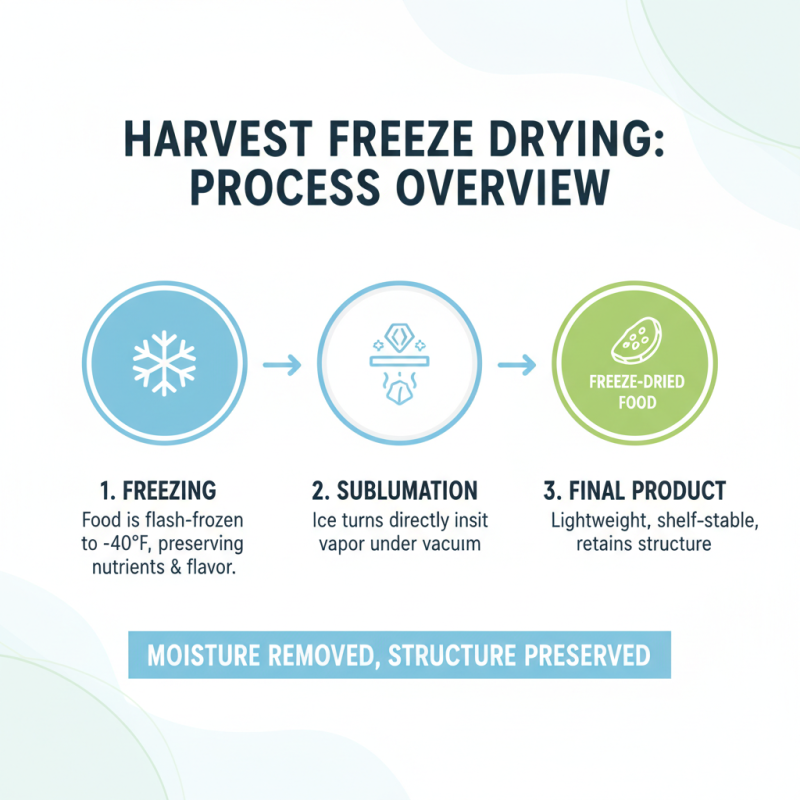
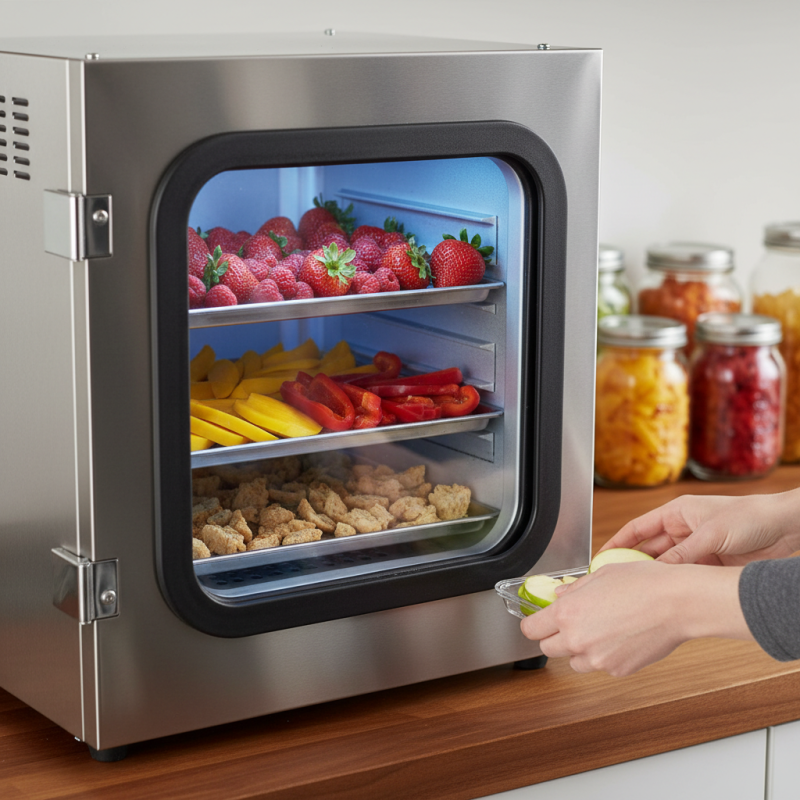
Harvest freeze drying is a fascinating technology. This method removes moisture from food while preserving its structure. The process begins with freezing the food to a very low temperature. This step locks in nutrients and flavor.
Next, a vacuum is applied. This draws out the ice in the food without melting it. This technique is called sublimation. It helps maintain the food's original color and taste. The result is lightweight food that is easy to store.
Many people wonder if this process is worth it. Freeze-dried food can sometimes lack the fresh taste of its original form. It may also require rehydration before consumption. However, it's a clever way to keep food edible for a long time. The convenience of having food that lasts is compelling. For those who enjoy outdoor activities, it can be a game changer.
Nutritional Preservation: How Freeze Drying Retains Food Value
Freeze drying offers remarkable benefits for preserving the nutritional value of food. It removes moisture while retaining vitamins and minerals. Unlike traditional methods, freeze drying helps maintain flavor and texture. This process locks in the food’s natural goodness, making it a popular choice for long-term storage.
With freeze-dried foods, you can enjoy healthy meals months or even years later. The process involves freezing food quickly and then drying it under vacuum conditions. This prevents the loss of enzymes that can degrade nutrients. Many people are surprised to learn that freeze-dried fruits can taste just like fresh. They also remain lightweight and easy to transport.
However, not all foods freeze-dry well. Some may lose texture or flavor during the process. There’s a bit of trial and error involved when selecting ingredients. It takes practice to perfect the technique. But when done correctly, freeze drying can enhance your food preservation efforts significantly. Embracing this method can lead to a more sustainable lifestyle while keeping your meals nutritious.
Top Benefits of Using a Harvest Freeze Dryer for Food Preservation
| Benefit |
Description |
Nutrient Retention (%) |
Shelf Life (Years) |
| Nutritional Preservation |
Freeze drying preserves vitamins and minerals effectively, retaining food value. |
90-98% |
15-25 |
| Weight Reduction |
Removes up to 98% of moisture, significantly reducing weight for easier storage. |
N/A |
N/A |
| Extended Shelf Life |
Allows for safe storage without refrigeration for years. |
N/A |
15-30 |
| Flavor Retention |
Preserves the original flavor and aroma of the food. |
N/A |
N/A |
| Reduced Waste |
Enables long-term storage of surplus food, minimizing waste. |
N/A |
N/A |
Economic Benefits: Cost-Effectiveness of Home Freeze Drying
Home freeze drying offers notable economic advantages for food preservation. The initial investment may seem daunting, but the long-term savings can be significant. Freeze-dried foods have an extended shelf life, often lasting for years. This means fewer trips to the grocery store and less money spent on wasted food. Moreover, you can save seasonal produce. When you buy in bulk during harvest time, you can freeze dry those items for later use.
However, the process of freeze drying requires time and energy. Some users find it challenging to master the technique at first. Inconsistencies in the drying process can lead to unexpected results. That's part of the learning curve. Experimenting with different foods can also yield varying levels of success. Home freeze drying isn’t just about convenience; it’s a commitment. While the potential for cost-effectiveness exists, not all attempts will meet expectations. This can be frustrating, but it’s part of the journey toward mastering food preservation.
Versatility in Food Types: What Can Be Preserved Using Freeze Drying?
Freeze drying is a powerful food preservation method. It removes moisture while retaining flavor and nutrients. Various foods can be preserved using this technique.
Fruits like strawberries and apples maintain their sweetness.
Vegetables such as peas and potatoes keep their vibrant colors.
Cooked meals can also be frozen; think soups and casseroles.
One major mistake might be using the wrong storage containers.
Airtight, moisture-proof bags work best. Always label your packages. Include the date of preservation. This helps track freshness over time.
Try experimenting with different food combinations to find your favorites.
Tips: Remember to blanch vegetables before freezing. This process helps maintain their color and texture.
Some fruits may need pre-treatment to avoid browning.
Don't forget to taste-test your preserved foods later. You may find some flavors enhance over time, while others may not.
Enjoy the journey of discovering what works best for your taste.
Comparative Analysis: Freeze Drying vs. Other Preservation Methods
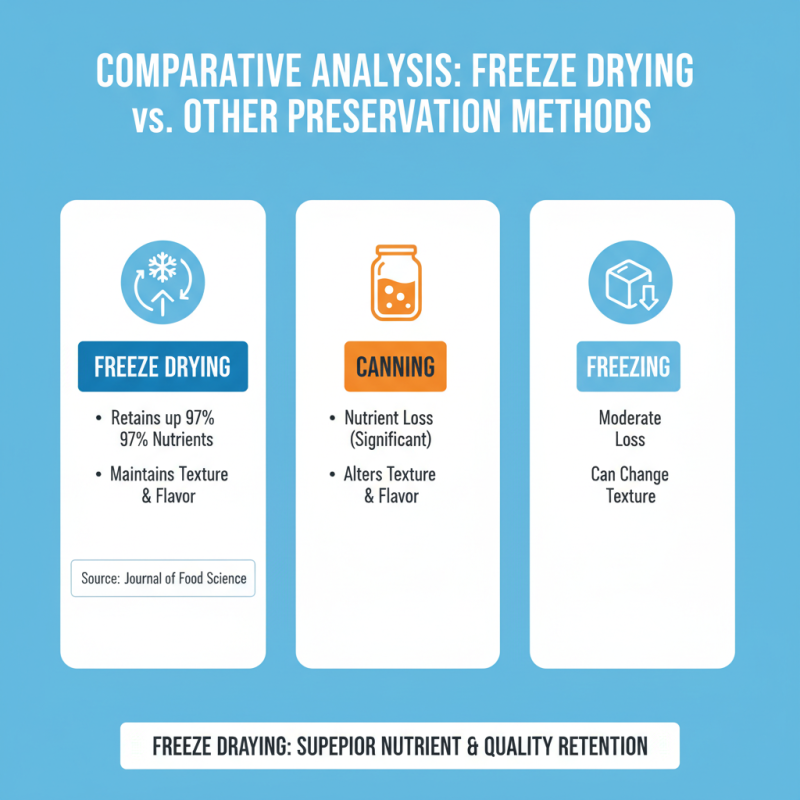
Freeze drying is a standout method for food preservation, especially when compared to traditional techniques. Unlike canning or freezing, which can alter texture and flavor, freeze drying retains up to 97% of a food's nutrients. A report from the Journal of Food Science shows that freeze dried foods maintain more vitamins than canned foods, which often lose a significant portion during processing.
However, freeze drying requires significant energy and time. It takes longer than simply freezing food, a process that can be done in just a few hours. The initial setup cost for a harvest freeze dryer is also a barrier for many households. Data from the Food Preservation Industry indicates that only 7% of households currently use this technology, reflecting its challenges.
Despite these drawbacks, many find that the convenience and flavor preservation outweigh the costs. Freeze dried meals can be rehydrated quickly, making them ideal for emergencies or outdoor activities. The rehydration process usually takes only 10-15 minutes, compared to hours for traditional cooking from scratch. Still, the learning curve can be steep for beginners, often leading to mixed results.