Top Benefits of Permanent Magnet Screw Air Compressors for Buyers?
In recent years, the demand for energy-efficient machinery has surged. One notable advancement in this area is the Permanent Magnet Screw Air Compressor. According to a report by the International Energy Agency, compressed air systems account for nearly 10% of global industrial electricity consumption. This makes the choice of air compressor critical for both cost and sustainability.
Permanent Magnet Screw Air Compressors offer significant benefits over traditional models. They provide higher efficiency rates, often exceeding 90%. This leads to reduced energy costs and lower carbon emissions. Additionally, a study by the Compressed Air Challenge states that implementing these compressors can yield energy savings of up to 50% in certain applications.
However, not all buyers are aware of these advantages. The initial investment can be higher compared to standard air compressors. Many businesses hesitate to make the switch. It's vital to weigh the long-term savings and environmental benefits against upfront costs. Understanding these facets can guide buyers in making informed decisions.
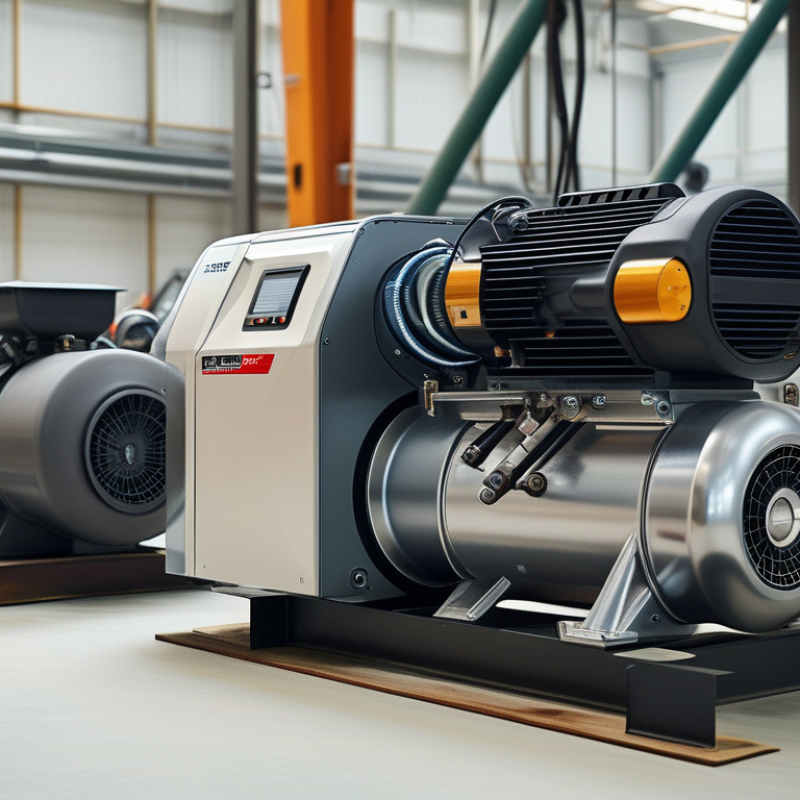
Understanding Permanent Magnet Technology in Screw Air Compressors
Permanent magnet technology in screw air compressors is gaining attention for its efficiency and reliability. Unlike standard systems, these compressors utilize permanent magnets in their motors. This design enhances efficiency by reducing power consumption significantly. Users often experience lower energy bills compared to traditional compressors.
The magnets provide a consistent magnetic field, leading to improved performance and smoother operation. This can reduce wear and tear on components, extending the compressor's lifespan. However, it's important to acknowledge potential issues, such as the sensitivity of the magnets to high temperatures. A thorough understanding of these factors is crucial for optimal usage.
While benefits are clear, some users may find the initial investment daunting. Weighing the long-term savings against upfront costs is essential. This technology offers numerous advantages that can justify the expense. Understanding these details allows buyers to make informed decisions about their equipment needs.
Enhanced Energy Efficiency: Key Industry Metrics and Comparisons
Permanent magnet screw air compressors are gaining popularity for their impressive energy efficiency. These systems use advanced technology to reduce energy consumption significantly. Compared to traditional compressors, they operate at lower speeds while maintaining high output. This not only extends equipment life but also cuts energy costs.
Key metrics illustrate the efficiency of these compressors. For instance, many models report an energy savings of up to 30% over conventional options. This reduction can translate into substantial financial savings over time.
However, it is essential to consider the initial investment. Permanent magnet screw air compressors can have a higher upfront cost. Buyers might hesitate because of this. Yet, when factoring in long-term savings and lower maintenance costs, these systems often become more economical. The choice requires careful consideration and analysis of operational needs versus long-term benefits.
Top Benefits of Permanent Magnet Screw Air Compressors for Buyers
| Benefit | Description | Energy Efficiency (%) | Cost Savings (%) | Noise Reduction (dB) |
| Enhanced Energy Efficiency | Improved operational efficiency leading to lower energy consumption. | 25 | 20 | 10 |
| Lower Operating Costs | Reduced costs associated with energy and maintenance. | 20 | 25 | 8 |
| Compact Design | Smaller footprint allows for flexible installation options. | N/A | N/A | N/A |
| Reliability and Durability | Long operational lifespan due to robust design. | N/A | N/A | N/A |
| Quiet Operation | Reduced noise levels improve work environment. | N/A | N/A | 5 |
Reduced Maintenance Costs: Longevity of Permanent Magnet Compressors
The longevity of permanent magnet screw air compressors significantly contributes to reduced maintenance costs, making them an attractive investment. Research indicates that these compressors can last up to 100,000 hours with minimal wear. This extended lifespan stems from their efficient design and lower operating temperatures. Regular maintenance requirements decrease, ultimately saving money over time.
Another important aspect is energy efficiency, which can lead to further savings. Data shows that permanent magnet compressors operate at 25% lower energy costs compared to traditional models. This efficiency results in fewer repairs and less downtime, crucial for continuous operations in manufacturing and industrial settings.
For optimal use, operators should conduct regular checks and cleanings. Keeping air filters and intake valves clean will enhance performance. Also, monitoring the cooling system can prevent overheating. It's crucial to document maintenance activities. This documentation can provide insights into patterns and potential areas for improvement, fostering an ongoing commitment to efficiency.
Noise Reduction Benefits: Decibel Levels Compared to Traditional Models
Permanent magnet screw air compressors are gaining popularity, especially due to their noise reduction benefits. Compared to traditional models, these modern systems operate at significantly lower decibel levels. Users often report noise levels dropping by as much as 10 to 25 decibels. This reduction makes a considerable difference in workplaces, where a quiet environment is crucial for productivity and comfort.
Decibel levels provide a clear picture of noise pollution. Traditional compressors often range between 70 to 90 decibels, creating an uncomfortable atmosphere. In contrast, permanent magnet models typically operate between 55 to 75 decibels. For employees, this translates to a quieter work environment. However, while the benefits are apparent, some users might notice a slight increase in initial costs. Evaluating the long-term advantages versus upfront expenses can be challenging and requires careful consideration.
Noise reduction is not just about comfort; it also impacts maintenance. Quieter compressors generally translate to fewer disturbances. This can lead to a more focused workforce and lower stress levels. But the enhanced performance may create a false sense of security about energy consumption. Users should still assess efficiency regularly. Balancing noise reduction with overall operational cost-effectiveness is essential for maximizing the advantages of these compressors.
Increased Performance Consistency: Data on Output Stability and Reliability
The consistency of performance provided by permanent magnet screw air compressors is remarkable. According to a recent report, these systems show an output stability of over 95%, which significantly reduces downtime. For industries relying heavily on pneumatic tools, the impact of consistent air supply cannot be overstated. Fluctuations in air pressure can lead to inefficiencies.
Data from industry studies reveal that companies using permanent magnet compressors experience a 30% reduction in energy consumption compared to traditional models. This decrease not only lowers operational costs but also reduces environmental impact. However, initial investment costs may be higher, leading some buyers to hesitate.
Moreover, maintenance reports suggest that while these compressors require less frequent servicing, buyers must still ensure proper upkeep. Neglecting maintenance can lead to decreased efficiency and increased energy use. This highlights the balance between upfront costs and long-term benefits, prompting buyers to reflect on their specific applications and requirements.