What are the Benefits of Using Freeze Dried Ingredients?
Freeze Dried Ingredients have gained significant popularity in recent years. Their unique processing method preserves the flavor and nutrients of fresh foods. As more people focus on health and convenience, these ingredients offer a practical solution.
The process of freeze-drying involves removing moisture from food. This technique results in lightweight products that retain their original taste. Consumers often appreciate the long shelf life of freeze dried ingredients, making them ideal for emergency supplies and camping trips. The convenience factor cannot be overstated.
Many chefs and home cooks now incorporate freeze dried ingredients into their recipes. They add vibrant colors and intense flavors, enhancing both presentation and taste. However, not all freeze dried products are created equal. Some may lack the freshness expected. It’s essential to choose high-quality sources for the best experience. Overall, freeze dried ingredients bring numerous advantages but require careful selection to ensure the best outcomes.
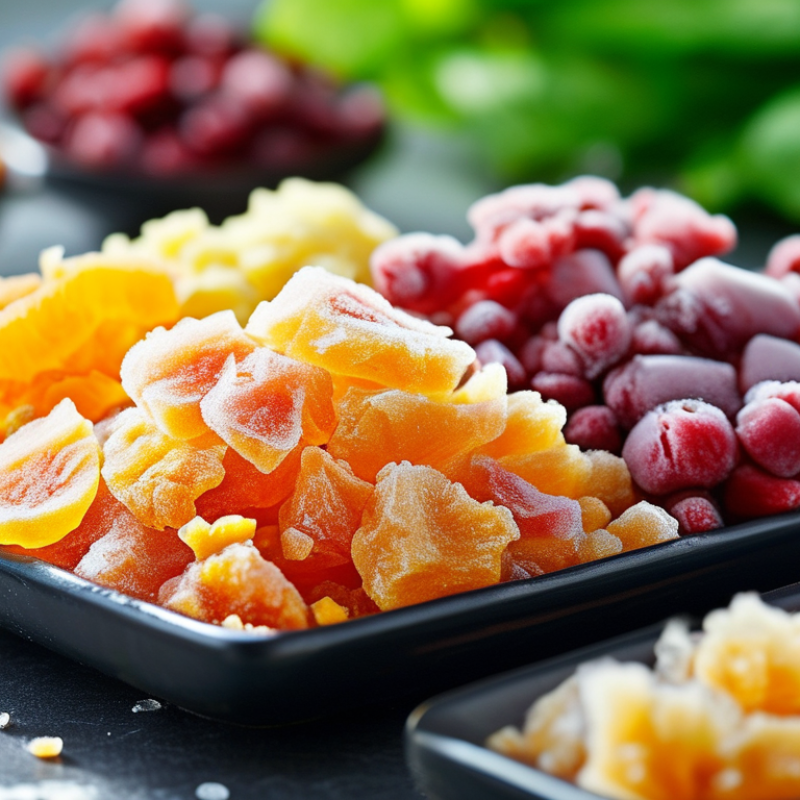
Benefits of Nutritional Preservation in Freeze Dried Ingredients
Freeze drying is a powerful method for preserving the nutritional value of ingredients. This process removes moisture while retaining essential vitamins and minerals. Unlike traditional drying, freeze drying minimizes nutrient loss, making it a preferred choice for health-conscious consumers and food manufacturers alike.
When food is freeze-dried, it maintains its original flavor and color. The texture often remains intact, allowing for versatile use in various dishes. This method is particularly beneficial for fruits and vegetables, as they can provide almost the same nutritional benefits as fresh produce. For example, freeze-dried strawberries can contain similar levels of vitamin C as their fresh counterparts, making them an excellent addition to smoothies or cereals.
However, there are some challenges to consider. Freeze-dried products can be more expensive than their fresh or dehydrated versions. Additionally, the rehydration process can sometimes lead to texture changes that may not appeal to everyone. It's worth weighing these factors when choosing freeze-dried ingredients for your meals. While they offer significant benefits in preserving nutrition, personal preferences play a crucial role in determining their desirability.
Enhanced Shelf Life of Freeze Dried Ingredients for Storage Convenience
Freeze-dried ingredients offer exceptional shelf life advantages. They retain nutrients and flavors effectively, making them ideal for long-term storage. Unlike traditional preservation methods, freeze drying removes moisture without compromising quality. This process enables these ingredients to last for years if stored properly. Many people appreciate this convenience, especially those who cook infrequently or who like to prepare meals in advance.
When storing freeze-dried ingredients, keep them in airtight containers. This prevents moisture absorption and ensures optimal freshness. A cool, dark place is ideal for storage, as light and heat can degrade the quality over time. Vacuum-sealed bags are another great option for maintaining freshness.
Tips: Consider labeling containers with expiration dates, so you can track when to use them. A sample meal-planning schedule can help maximize their use. Remember, it's essential to occasionally check stored ingredients, ensuring they remain dry and flavorful. Letting ingredients sit for too long can lead to an unexpected loss of quality.
What are the Benefits of Using Freeze Dried Ingredients? - Enhanced Shelf Life of Freeze Dried Ingredients for Storage Convenience
| Ingredient Type | Shelf Life (Years) | Nutritional Retention (%) | Storage Temperature (°C) |
| Fruits | 25 | 90 | -18 to 25 |
| Vegetables | 20 | 85 | -18 to 25 |
| Meat | 15 | 75 | -18 to 25 |
| Eggs | 10 | 80 | -18 to 25 |
Lightweight and Portability Advantages of Freeze Dried Food Products
Freeze-dried ingredients have become a popular choice for outdoor enthusiasts and home cooks alike. Their lightweight nature makes them ideal for camping and backpacking. When you're on the trail, every ounce matters, and freeze-dried foods can cut down on pack weight significantly. This advantage allows adventurers to carry more nutrition without the bulk of traditional food.
However, convenience is not the only benefit. These foods retain essential nutrients, flavors, and textures. When rehydrated, they can often taste just as good as fresh. This makes them a great option for those looking to maintain a healthy diet, even while away from home. But, it's essential to consider the rehydration process, as some items may require different water temperatures or soaking times.
Tips: Always check the packaging for specific water ratios. Experiment with various dishes to find what you enjoy most. Keep an eye on expiration dates; while they last long, freshness can vary. Proper storage can enhance longevity, so consider airtight containers after opening.
Versatility in Culinary Applications of Freeze Dried Ingredients
Freeze-dried ingredients have become a versatile tool in the culinary world. They maintain the original flavor, texture, and color of fresh ingredients. This process involves removing moisture, which preserves nutrients and enhances shelf life. Chefs appreciate the ease of use; rehydration is quick and simple.
Using freeze-dried fruits in baked goods adds natural sweetness and vibrant color. Imagine a classically decorated cake topped with vivid strawberries. Soups and stews also benefit from freeze-dried vegetables. They provide a convenient way to add nutrition without sacrificing quality. This approach can save time in meal preparation and increase creativity in dishes.
Even though freeze-dried ingredients offer many advantages, there can be challenges. The texture may differ once rehydrated. Some chefs find that the flavor intensity can vary. Experimentation is key to achieving the desired results. Balancing flavors becomes essential to highlight these unique ingredients. The journey to incorporate freeze-dried elements can lead to delightful surprises in every dish.
Cost-Effectiveness of Freeze Dried Ingredients in Food Supply Management
Freeze dried ingredients are becoming increasingly popular in food supply management. They are not only lightweight but also offer an excellent shelf life. Reports indicate that freeze dried foods can last up to 25 years without losing nutritional value. This longevity significantly reduces waste, a major concern in food management.
Cost-effectiveness is a crucial factor in food supply. According to industry reports, using freeze dried ingredients can save up to 30% compared to traditional storage methods. With reduced transportation costs and less spoilage, organizations can optimize their budgets. However, initial investment can be higher. Evaluating this trade-off is essential for effective resource management.
Another aspect to consider is consumer behavior. Some customers may be skeptical of freeze dried products. They may perceive them as less fresh or nutritious. Education is needed to address these misconceptions. Transparency in the process can help. Ensuring customers know the benefits can foster trust and encourage acceptance.