
Choosing the best Home Surge Protector from China takes more than comparing price tags or outlet counts. A compact unit beside a desk may protect everyday electronics, while a whole-home device is installed at the electrical panel. They serve different roles. One product cannot automatically replace the other.
The U.S. National Weather Service estimates that lightning causes about $1 billion in property damage annually. That figure covers more than damaged electronics, but it shows why surge protection deserves careful attention. The NWS also warns that no surge protector can guarantee safety from a direct lightning strike. A useful device reduces risk; it does not erase it.
For products made in China, check the exact model’s test records, clamping performance, energy rating, and warranty terms. Look for documentation tied to recognized benchmarks, such as UL 1449 in the United States or IEC 61643-11 internationally. These standards are not interchangeable, and a logo alone is not proof. Ask who tested the product and whether the report covers the model being sold. That matters. Also inspect practical details: grounded plugs, clear status indicators, and replacement instructions. Still, specifications can feel reassuring without answering every question. A careful buyer should compare the device with local wiring, connected equipment, and installation needs. The honest answer may be less exciting: there is no single “best” unit for every home.
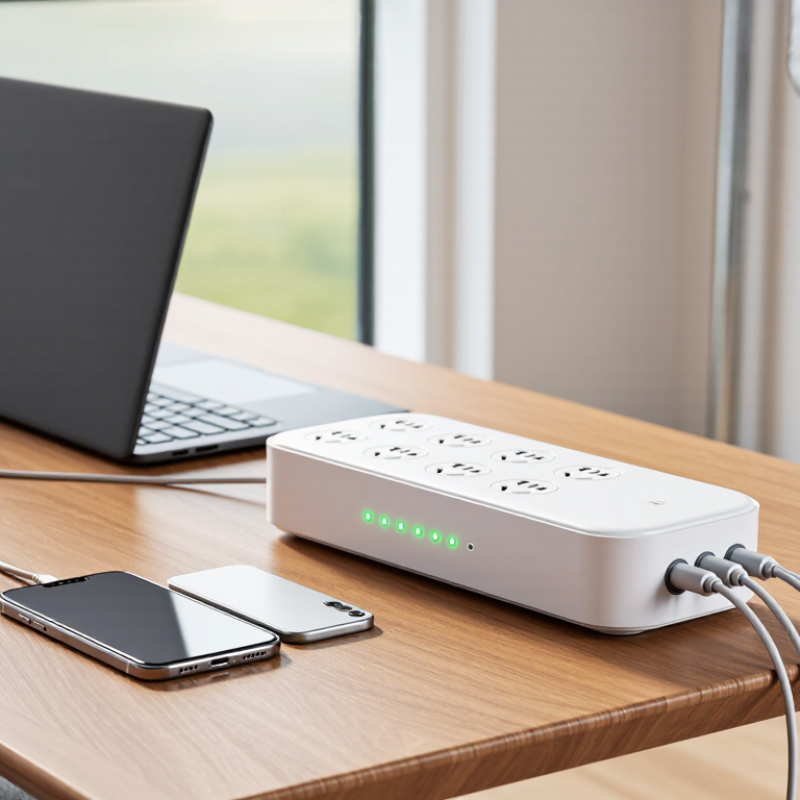
A home surge protector limits sudden voltage spikes before they damage wiring and connected electronics. Many devices use metal-oxide components that respond to excess voltage and divert surge energy toward the grounding system.
Think of a nearby lightning event or utility switching: a brief spike can travel through household wiring and reach a television, router, or refrigerator. NOAA and the National Weather Service estimate that lightning causes about $1 billion in annual U.S. property and crop damage. That figure shows the scale of the hazard, not the protection any single device can guarantee.
A panel-mounted surge protective device helps cover circuits throughout the home; plug-in units can add protection near sensitive equipment. They work best with sound wiring and grounding, so an electrician should assess the installation.
Look for a device tested to UL 1449, and check its condition after a major surge. A rating alone is not the whole story. I would not choose a protector by one headline number without checking its listing, installation needs, and coverage.
Not a magic shield. Surge protection cannot prevent every failure, and it does not replace protection against outages or a direct lightning strike.
What Is the Best Home Surge Protector from China?
China-made home surge protectors generally fall into three useful types. Plug-in power strips protect televisions, routers, and computers near wall outlets. Whole-home surge protective devices install inside the distribution panel and help shield multiple circuits. DIN-rail modules suit compact electrical cabinets and apartment renovations. Some newer strips also include USB-A or USB-C charging ports, but charging convenience should not replace surge protection.
The best choice depends on your wiring and risk level. A credible product should state its maximum continuous operating voltage, clamping voltage, discharge current, and energy rating. It should also provide thermal protection and clear test documentation. The 2024 Fortune Business Insights report valued the global surge protection devices market at about USD 3.1 billion in 2023. This growth reflects rising electronic loads, not automatic proof of better quality. Look for testing against IEC 61643 requirements or equivalent national standards. Independent laboratory reports matter more than impressive packaging. I have seen products with high joule ratings but vague grounding instructions. That is a warning sign.
Tips: Use a Type 2 device for many residential distribution boards, with Type 3 plug-in protection near sensitive electronics. Check the earthing system first. Replace a protector after a major lightning event if its status indicator changes. Avoid connecting one power strip into another. Leave space around the device for heat dissipation. A small mistake here can weaken an otherwise careful installation.
What Is the Best Home Surge Protector from China?
Key Ratings and Safety Standards for Comparison
When comparing home surge protectors made in China, check the ratings and documents for the exact model. A joule rating describes energy absorption under specified tests, but test methods can vary. I would not choose by that number alone; it is an imperfect shortcut. Compare clamping voltage only when products use comparable test conditions, and check the maximum continuous operating voltage for your local supply.
Look for clear references to applicable standards, such as IEC 61643-11 or China’s GB/T 18802.11, and confirm what the documentation actually covers. A printed mark alone is not proof of independent testing. Where relevant, verify recognized certification for the country where you will use the device. Also check for a grounded plug, overload protection, and a visible protection-status indicator. A small indicator light is easy to miss behind a desk.
Tips: Check the label. Use a properly grounded wall outlet, and do not connect surge strips in a chain. If the status light goes out or the unit has taken a strong surge, follow its instructions for replacement. It is easy to overlook that last step.
Choosing a home surge protector from China starts with matching the device to your installation. A panel-mounted Type 1 or Type 2 unit protects a broader circuit; a plug-in device adds protection near sensitive electronics. Check the ratings, not just the packaging: look for the applicable IEC 61643-11 or UL 1449 evaluation, plus clear voltage, discharge-current, and protection-mode specifications. Ask the supplier for traceable test reports and verify certification with the issuing organization. A polished PDF is not enough.
The Insurance Information Institute reported 75,842 U.S. homeowners’ lightning claims in 2023, averaging $17,513 each. That figure matters, but it does not mean every claim involved a power surge. Compare the unit’s maximum continuous operating voltage and protection level with your local supply, and check for thermal disconnection and a visible failure indicator. Ask whether production samples receive routine electrical and heat testing, not only one-time type tests. A high current rating alone is not a guarantee. Installation details matter, too: long leads and poor grounding can weaken performance. I would still have a qualified electrician check panel compatibility; product selection is only part of the job.
Choose a surge protector whose rated voltage matches the household electrical system where it will be used. The chart below compares nominal household supply voltages in several common markets.
Selection note: For use in China and most European markets, select a model designed for approximately 220–240 V, 50 Hz systems. Always verify the product’s rated voltage, plug configuration, safety certification, grounding design, and protection level before purchase.
A reliable home surge protector begins with correct installation, not attractive packaging. Choose a unit with suitable voltage, joule capacity, response time, and overload protection. Confirm that its grounding design matches your home’s electrical system. An experienced electrician should check the outlet, especially in older buildings. Never connect surge protectors in series. Leave clear space around the device, and keep it away from sinks, heaters, and enclosed cabinets.
Maintenance is simple, but easy to neglect. Inspect the casing every few months for cracks, swelling, scorch marks, or a loose plug. Check the protection indicator after storms and power fluctuations. A dark indicator may signal exhausted protection, although some models use different warning systems. Read the technical manual instead of guessing. I have seen users trust an indicator too much; it is helpful, but not a complete safety test. Disconnect the unit immediately if it smells hot or makes unusual sounds.
Tips: Label the installation date. Keep the receipt and specifications. Replace the protector after a major lightning event, visible damage, repeated overload, or an expired service period. Do not wait for failure. A protector can absorb only limited energy. When choosing products manufactured in China, review independent test documentation, material quality, grounding continuity, and support availability. Specifications can look impressive, yet poorly fitted terminals still create risk.