Best Water Ring Vacuum Pump for Your Industrial Needs?
The demand for efficient vacuum solutions in industrial sectors has soared. Among these, the Water ring vacuum pump shines through its unique design and capabilities. According to a recent report by the International Vacuum Pump Association, the global market for vacuum pumps is anticipated to grow by 7.2% annually. This surge is largely due to the increasing need for sustainable and energy-efficient technologies.
Expert Dr. John Miller, a prominent figure in vacuum technology, notes, "Choosing the right water ring vacuum pump can significantly impact operational efficiency and cost savings." This statement emphasizes the importance of selecting appropriate equipment for optimal performance. Water ring vacuum pumps are renowned for their ability to handle condensable vapors and are often used in industries such as pharmaceuticals and food processing.
Despite their advantages, potential challenges remain. Some users express concerns over maintenance and energy consumption. Finding the right balance between performance and sustainability is key. Industry leaders continue to innovate, aiming for pumps that meet not only productivity requirements but also environmental standards. In this context, understanding the best options available is crucial for industrial operators.
Understanding Water Ring Vacuum Pumps: A Comprehensive Overview
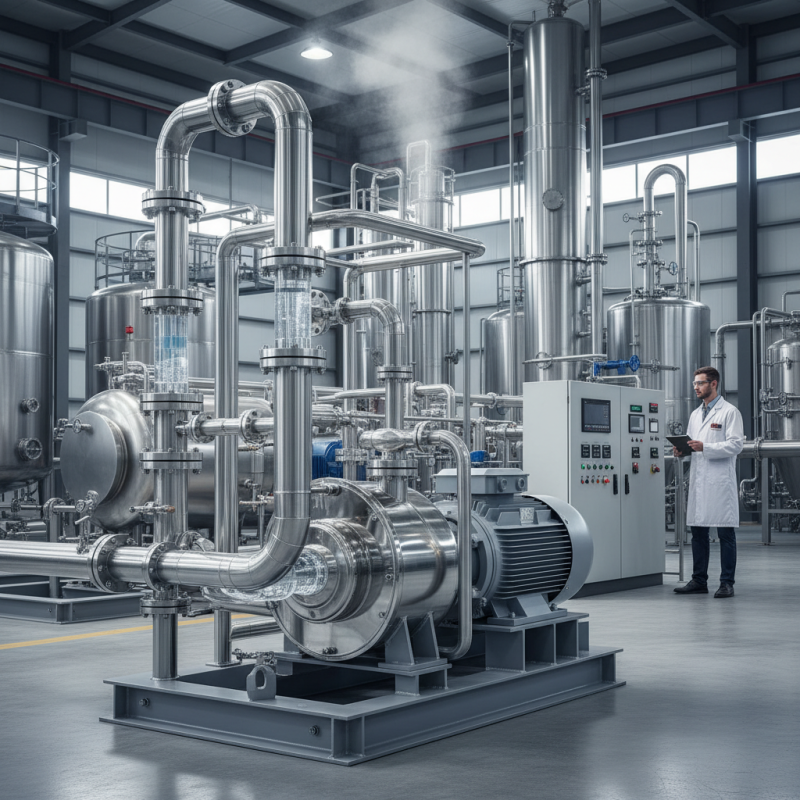
Water ring vacuum pumps play a vital role in various industrial applications. These pumps utilize water to create a vacuum, making them efficient and environmentally friendly. They are especially useful in processes involving gas, liquid, or solid separation. The mechanism involves a rotating impeller that generates a fluid ring, sealing off the suction chamber effectively. This design allows for stable vacuum levels and minimizes the risk of overheating.
While water ring vacuum pumps offer many advantages, they are not without flaws. Water consumption can be high, which may lead to increased operational costs. Additionally, if not maintained properly, these pumps can suffer from wear and tear. Regular inspections are crucial to ensure optimal performance. Operators need to be aware that variations in water quality could affect pump efficiency. Understanding these aspects can enhance the effectiveness of your industrial processes.
Considering the complexities of vacuum systems, it's essential to have a thorough understanding of your specific requirements. Not all applications will benefit equally from water ring pumps. Analyzing your operational needs is crucial for optimal performance. By carefully assessing these factors, you can make informed decisions and enhance productivity in your industrial environment.
Best Water Ring Vacuum Pumps for Industrial Needs
Key Features to Consider When Choosing a Water Ring Vacuum Pump
When selecting a water ring vacuum pump, several key features are essential. The design impacts its efficiency. A well-designed water ring system creates a uniform vacuum. This ensures steady operation in various industrial settings. According to industry reports, efficiency rates can reach 90% or more in optimal conditions. However, inconsistent water quality can affect performance.
Another crucial factor is the pump's capacity and size. Different applications may require various performance levels. Choosing the right size prevents energy wastage. Research suggests that undersized pumps can lead to increased operational costs. In contrast, oversized pumps can result in excessive maintenance. Observable wear and tear can arise from miscalculations.
Lastly, durability is paramount. Many pumps are made from materials that withstand corrosion and high temperatures. Longevity is essential for reducing replacement costs. A study indicated that robust pumps can last over a decade with proper maintenance. However, neglecting routine checks can lead to unexpected failures, demonstrating the need for a proactive approach in water ring vacuum pump management.
Top Industrial Applications for Water Ring Vacuum Pumps
Water ring vacuum pumps are vital in various industrial applications. They are known for their reliability and effectiveness in creating a vacuum. Industries, such as food processing and pharmaceuticals, often rely on these pumps for optimal operations. According to a 2022 report by Market Research Future, the water ring vacuum pump market is expected to grow at a CAGR of 4.2% through 2027.
One prominent application is in the food industry. Water ring vacuum pumps efficiently remove air from packaging. This process extends the shelf life of products, which is crucial for maintaining freshness. Another application lies within the pharmaceutical sector. Here, these pumps are utilized for drying and filtration processes that require a stable vacuum. An analysis by Grand View Research in 2023 highlighted that approximately 30% of the demand for industrial vacuum pumps stems from these two sectors.
However, using water ring vacuum pumps is not without challenges. Issues such as water consumption and the need for regular maintenance can arise. Businesses must consider these factors in their operational budgets. Some industries are exploring alternatives, but water ring systems remain essential due to their robust performance in diverse settings.
Comparing Water Ring Vacuum Pumps with Other Vacuum Technologies
Water ring vacuum pumps have unique advantages, especially in industrial settings. These pumps operate using water as a sealing fluid, making them different from dry vacuum pumps or rotary vane pumps. Notably, water ring pumps excel in handling condensable vapors and aggressive gases. According to a report by Grand View Research, the water ring vacuum pump market is projected to grow significantly due to these advantages.
In contrast, dry vacuum pumps are often limited in pressure ranges. They may struggle with high vapor loads, which can lead to reduced efficiency. Meanwhile, rotary vane pumps, while reliable, usually require more maintenance. Users opting for water ring vacuum pumps can benefit from fewer service interruptions, as they have fewer moving parts exposed to wear.
Tips: Always assess your process requirements before choosing a pump type. Consider the nature of the gases and vapors involved. Regular maintenance can prolong the lifespan of any pump, but water ring pumps often require less frequent checks. Evaluate energy consumption, too. Efficiency varies widely across pump technologies, influencing operational costs.
Maintenance Tips for Optimal Performance of Water Ring Vacuum Pumps
Water ring vacuum pumps are essential for various industrial applications. To ensure optimal performance, regular maintenance is crucial. Checking the water level is one of the first steps. A low water level can lead to overheating. Overheating causes wear and tear on internal components. Therefore, topping up the water regularly is vital.
In addition to water levels, inspect the pump for leaks. Even small leaks can significantly impact efficiency. If you notice any leakage, it's time for repairs. Regularly cleaning the pump helps prevent blockages. Blockages can reduce performance, leading to inefficiencies. Remember, routine inspections are an investment in longevity.
Finally, keep an eye on the pump's operation noises. Unusual sounds might indicate underlying issues. Addressing these sounds early can prevent major breakdowns. Maintaining a balanced operating speed is also important. An unbalanced speed can strain the motor and compromise performance. Taking these steps ensures your water ring vacuum pump runs smoothly and reliably.