China Top 10 Crispy Bread Crumbs Suppliers for Global Buyers
China has become a major sourcing base for Crispy Bread Crumbs used in fried foods, ready meals, and foodservice kitchens. Global buyers often compare suppliers by particle size, color, flavor, moisture, and packaging quality. A reliable product should create an even golden crust, not a greasy or uneven coating.
This guide introduces ten leading Chinese suppliers for international purchasing teams. It focuses on manufacturing experience, export capability, food safety systems, and product consistency. Buyers should review HACCP, ISO 22000, BRCGS, and relevant laboratory reports before placing an order. Testing should cover microbiological safety, allergens, moisture, and shelf life. Samples matter.
Practical sourcing also requires careful attention to details. Ask for the wheat source, frying performance, packing format, and minimum order quantity. Confirm whether the supplier can provide retail bags, bulk cartons, or private-label packaging. Shipping distance, container loading, and humidity protection can affect final costs. No supplier fits every market. A premium crumb may suit a restaurant chain but exceed a small importer’s budget. Some product claims may also require further verification. That is why this list should support, not replace, technical audits and sample trials. The right partner combines stable production with clear communication, responsive documentation, and realistic delivery promises. Small details count.
What Are Crispy Bread Crumbs and How Are They Used?
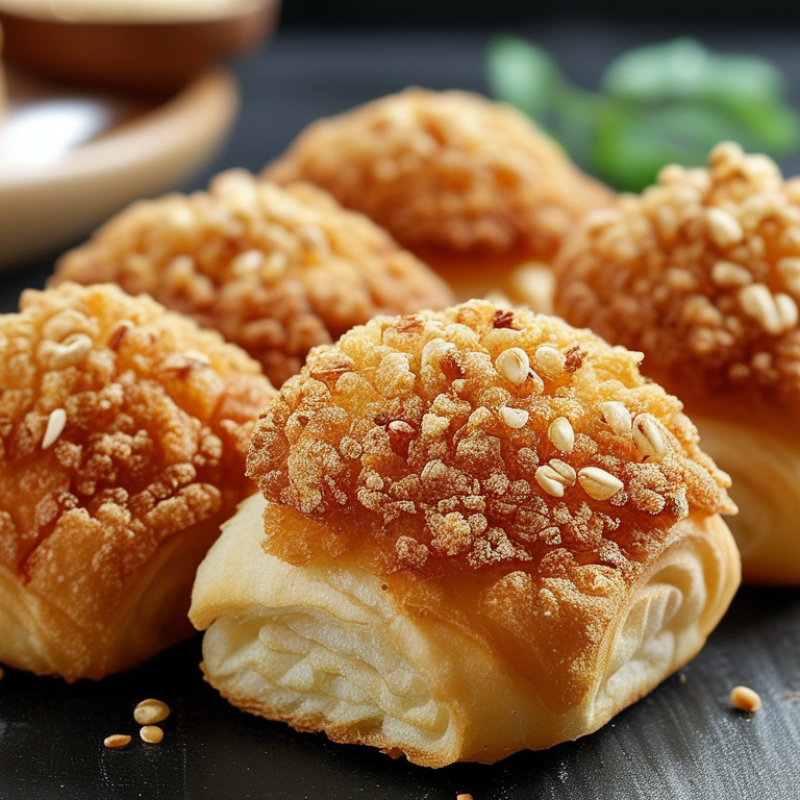
Crispy bread crumbs are dried bread particles processed into fine, medium, or coarse grains. Their crisp texture comes from reduced moisture and a porous structure. Some varieties are toasted, while others are dried without heavy browning. The category is not perfectly standardized. Particle size, salt level, color, and moisture can differ between suppliers. USDA FoodData Central lists plain dry bread crumbs at approximately 395 calories and 72 grams of carbohydrates per 100 grams. This reference helps buyers compare nutrition, but it is not a universal product specification.
In commercial kitchens, fine crumbs help bind meatballs, vegetable patties, and seafood mixtures. Coarse crumbs create a rougher crust on poultry, vegetables, and cheese products. Japanese-style flakes are often selected for their lighter bite and visible surface texture. They absorb oil differently, however. A thicker coating may become crisp outside but remain soft underneath. That result is sometimes overlooked.
For global buyers, practical checks matter more than appearance alone. Request moisture data, particle-size distribution, microbiological testing, allergen declarations, and packaging specifications. A 2024 Grand View Research market analysis estimated the global bread crumbs market at roughly USD 1.7 billion in 2023, with continued growth expected through 2030. Market estimates vary because some reports include seasoned coatings and prepared mixes. Buyers should therefore define the product clearly before comparing quotations. A low price can hide inconsistent granulation, weak packaging, or poor frying performance.
How to Evaluate Crispy Bread Crumb Suppliers in China
China Top 10 Crispy Bread Crumbs Suppliers for Global Buyers
How to Evaluate Crispy Bread Crumb Suppliers in China
Choosing a crispy bread crumb supplier requires more than comparing prices. Start with product specifications: crumb size, color, moisture, frying stability, and coating adhesion. Request a recent specification sheet and batch sample. In practical testing, press the crumbs onto chicken or vegetables, then measure coverage after frying. A supplier may promise a golden, crunchy coating, but samples can reveal uneven particles or excessive oil absorption.
Food safety evidence should be clear and current. Check HACCP procedures, allergen controls, traceability records, and laboratory results for microbiological safety. Codex food hygiene guidance supports preventive control systems, not only final-product inspection. FAO reports that 13.2% of food is lost between harvest and retail, so moisture protection and warehouse handling deserve attention. Ask for packaging material details, pallet photos, and storage conditions. Small details matter.
Tips: Compare at least three production batches. Confirm whether the factory controls seasoning, drying, and screening in-house. Verify export documents before payment. The World Bank’s 2023 Logistics Performance Index ranked China 19th among 139 economies, with a 3.7 score, yet local delivery performance still varies. I would also test a supplier’s response time. Slow replies may signal weak documentation, though this is not always fair. A factory visit or independent audit remains useful, but even audits can miss daily production problems.
China Top 10 Crispy Bread Crumbs Suppliers for Global Buyers
How to Evaluate Crispy Bread Crumb Suppliers in China
This buyer evaluation framework uses a 100-point model for comparing crispy bread crumb suppliers without ranking or identifying individual companies. Food safety and regulatory compliance receive the highest weighting, followed by product consistency, supply capacity, export experience, pricing, and service. Buyers should verify certificates, samples, audit records, specifications, and commercial terms before making a sourcing decision.
China’s Top 10 Crispy Bread Crumb Suppliers for Global Buyers
China’s Top 10 Crispy Bread Crumb Suppliers for Global Buyers deserve careful comparison, not quick approval. Their products may differ in particle size, frying performance, color, and moisture control. During supplier evaluations, I check factory experience, production capacity, food safety systems, and export documentation. I also request recent samples before discussing large orders. A crisp crumb should create a clean, even coating without excessive oil absorption. Small differences matter in kitchens.
Tips: Ask for sieve-size data, ingredient lists, allergen statements, and microbiological test reports. Confirm whether the supplier can provide plain, seasoned, gluten-free, or custom-color options. Check packaging strength as well. A damaged inner bag can ruin an otherwise suitable shipment. Samples should be tested in your own recipe, temperature, and frying time.
Price alone is a weak buying guide. A lower quote may hide inconsistent granules, limited shelf life, or expensive secondary packaging. Reliable suppliers explain quality controls clearly and respond with traceable documents. They should also discuss minimum order quantities, lead times, container loading, and storage conditions. I would not treat a polished catalog as proof of capability. Factory audits and repeat sample tests remain useful, even when the first batch looks excellent. No ranking is permanent; performance can change with raw materials, staff, and seasonal demand.
What Quality Standards and Certifications Should Buyers Check?
For global buyers, crispy bread crumbs should be assessed through documented food safety controls, not appearance alone. FAO and WHO estimate that contaminated food causes 600 million illnesses and 420,000 deaths each year. This risk makes certification evidence essential.
Ask suppliers for a valid ISO 22000 certificate or another GFSI-recognized scheme. Check the certification scope, production site, expiry date, and recent audit results. HACCP records should identify hazards from wheat, allergens, frying, drying, metal fragments, and packaging. Codex Alimentarius General Principles of Food Hygiene, revised in 2022, emphasizes preventive controls and verified monitoring. A certificate without current corrective-action records is weak evidence.
Request laboratory results for moisture, water activity, Salmonella, coliforms, yeast, mold, and foreign materials. Low moisture does not mean zero risk. Salmonella can survive for long periods in dry foods, according to food-safety research reviewed by international authorities. Also verify allergen declarations, gluten controls, traceability tests, and recall procedures. ISO 9001 can support process consistency, but it does not replace food-safety certification. Buyers may require Halal or Kosher certification for specific markets. Verify accreditation directly with the certification body. Paperwork can be polished. Factory practice may still vary. A practical audit, including warehouse humidity and crumb handling, often reveals what documents miss.
How to Compare Pricing, Packaging, Shipping, and Supplier Support
When comparing China’s top ten crispy bread crumb suppliers, start with a landed-cost sheet, not the lowest quotation. Ask for pricing by grade, color, particle size, moisture level, and order volume. A low unit price may exclude inner bags, pallets, inspection fees, or port charges. Request both FOB and CIF prices, then calculate the cost per usable kilogram. My first comparison was imperfect; I overlooked currency changes and seasonal freight rates.
Packaging affects quality during long ocean journeys. Check whether each carton or woven bag has a food-grade inner liner, strong sealing, and clear batch coding. For humid routes, moisture protection matters more than attractive printing. Confirm standard pack sizes, pallet dimensions, stacking limits, and container loading photos. Small details matter. Ask for samples from production batches, not only showroom samples. Compare crumb texture after frying, oil absorption, color consistency, and storage stability.
Shipping support should include production lead time, export documents, loading procedures, and tracking updates. A reliable supplier can explain the nearest port, typical transit range, and response plan for delays. Support also means practical technical help. Look for current specifications, certificates, traceability records, and clear complaint procedures. Test communication before placing a large order. Send the same questions to all ten suppliers and record response time, accuracy, and willingness to clarify. Polished replies are useful, but consistent evidence is stronger. Supplier support is sometimes promised too broadly, so written responsibilities should be checked carefully.