Why Choose Auto Flanged Butterfly Valve for Your Needs?
In today's industrial landscape, the demand for efficient flow control solutions remains crucial. The Auto flanged butterfly valve has emerged as a preferred choice for many applications. According to a recent market report by Grand View Research, the global butterfly valve market is projected to reach $10.2 billion by 2027, reflecting a compound annual growth rate of 5.4%. This growth highlights the increasing reliance on high-performance valves in various sectors, including water treatment and HVAC systems.
The Auto flanged butterfly valve offers several advantages. Its lightweight design allows for easier installation, while the flange connection ensures a tight seal. Industry experts note that these valves can handle significant pressure changes, making them suitable for a wide range of liquids and gases. However, the decision to choose this type of valve should consider specific operational conditions and potential maintenance challenges.
While the Auto flanged butterfly valve enhances operational efficiency, it is not without flaws. Users often report issues regarding actuator compatibility and valve responsiveness in varying temperatures. Understanding these nuances is essential for making informed choices that align with long-term operational goals. This critical analysis will explore why the Auto flanged butterfly valve may be the right solution for your specific needs.
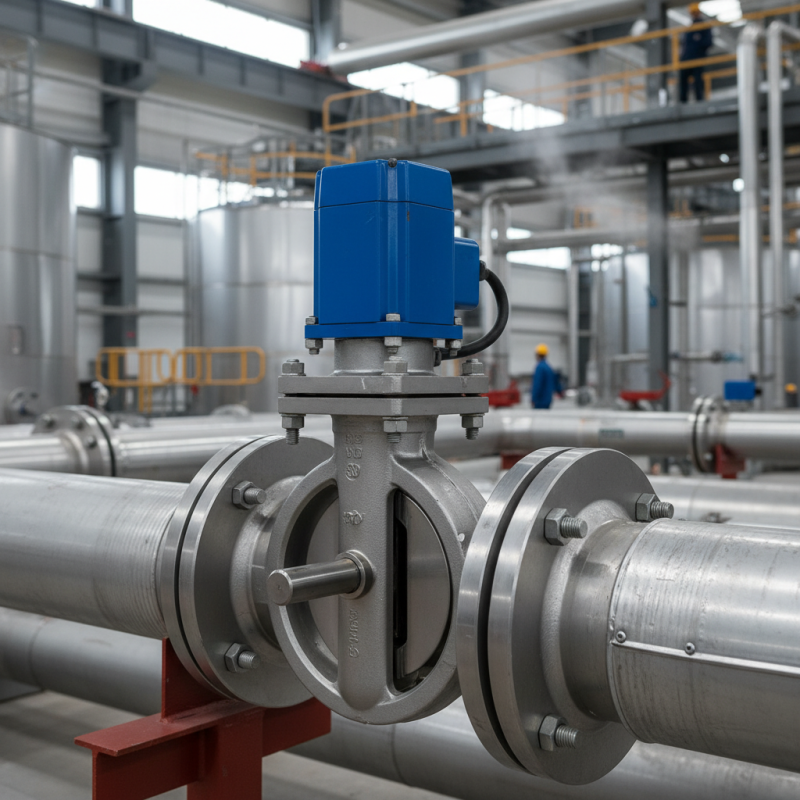
Understanding Auto Flanged Butterfly Valves and Their Functionality
Auto flanged butterfly valves are essential in various industrial applications. They provide efficient flow control in diverse systems. Understanding how they work can help in making informed decisions.
These valves operate using a disc that rotates within the pipeline. When the valve is fully open, the disc aligns with the flow, allowing smooth passage. When closed, it creates a tight seal. This mechanism reduces the risk of leaks, a critical factor in maintaining system integrity.
Installation is straightforward, thanks to their flanged design. This feature allows easy connection to existing piping systems. However, improper installation can lead to performance issues. Users must ensure the valves are aligned correctly. Regular inspection is also vital to identify wear and tear. This proactive approach enhances reliability and performance in the long run.
The Advantages of Using Auto Flanged Butterfly Valves in Various Industries
Auto flanged butterfly valves are essential in many industries. They offer several advantages that enhance operational efficiency. One key benefit is their lightweight design, which simplifies installation and reduces labor costs. They operate quickly, providing a reliable means of flow regulation. This is critical in industries such as water treatment and HVAC systems.
These valves are known for their durability. They can withstand high pressures and temperatures, making them suitable for tough environments. This resilience ensures long-term performance, leading to fewer replacements and less downtime. Their compact size also allows for easy integration into existing systems, providing flexibility for various applications.
However, not all situations may benefit from auto flanged butterfly valves. There are limits to their performance based on the type of fluid. Some users feel uncertain about making the right choice for specific needs. Understanding these limitations is vital. This reflection can lead to better decision-making in valve selection for diverse applications.
Why Choose Auto Flanged Butterfly Valve for Your Needs?
| Industry | Application | Benefits | Specifications |
| Water Treatment | Flow Regulation | Durability, Cost-Effectiveness | Size: DN50-DN600; Pressure: PN10-PN16 |
| Oil & Gas | Shutoff & Isolation | High Performance, Low Maintenance | Size: DN40-DN1200; Pressure: PN25-PN40 |
| Chemical Processing | Corrosion Resistance | Chemical Compatibility, Safety | Material: SS, PP, PVC; Size: DN25-DN1000 |
| HVAC Systems | Air Flow Control | Energy Efficiency, Space Saving | Size: DN100-DN300; Pressure: PN10 |
Key Features to Consider When Choosing an Auto Flanged Butterfly Valve
When selecting an auto flanged butterfly valve, several key features demand attention. The valve's size and material are crucial. Ensure the valve matches pipeline dimensions. Common materials include stainless steel and PVC, each offering distinct advantages. The choice of material affects durability and corrosion resistance. Consider the working conditions, like temperature and pressure, to guarantee optimal performance.
Another essential feature is the actuator type. Electric and pneumatic actuators provide different benefits. Electric options offer precise control, while pneumatic actuators are faster in operation. Assess your specific application needs before making a decision. A miscalculation here could lead to inefficiencies.
Tips for selecting the right valve: Evaluate the flow rate and pressure drop across the system. Consult technical specifications to avoid poor functionality. Always read user reviews and seek expert advice when uncertain. The reliability of your valve can significantly impact system performance. Remember, investing time in selection pays off later in operation efficiency.
Comparing Auto Flanged Butterfly Valves with Other Valve Types
The choice between different valve types can significantly impact system performance. Auto flanged butterfly valves stand out due to their unique design and operational advantages. According to a 2022 industry report, these valves are known for their low-pressure drop, which leads to enhanced energy efficiency in fluid systems. Their compact size means they save valuable space in tight installations.
When comparing auto flanged butterfly valves to gate or globe valves, distinct differences emerge. While gate valves excel in on/off applications, they possess considerable flow resistance. Meanwhile, globe valves often lead to increased turbulence, resulting in energy losses. A study by the International Valve Association noted that butterfly valves, including the auto flanged design, can reduce operational costs by up to 30% over their lifespan due to lower energy consumption and maintenance needs.
Another aspect to consider is the seal design. Auto flanged butterfly valves typically feature rubber or polymer liners, providing effective sealing with lower torque requirements. In contrast, traditional valves may struggle with leakage. This efficiency is essential, but users must acknowledge potential challenges like wear over time. Frequent inspections become necessary to maintain performance standards. Understanding these factors assists in making informed decisions for any application.
Installation and Maintenance Tips for Auto Flanged Butterfly Valves
When selecting an auto flanged butterfly valve, proper installation is crucial for optimal performance. Ensure that the valve is installed in the correct orientation to prevent flow issues. Pay attention to the flange alignment to avoid leaks. Flanges should be clean and free of debris before installation. Use the right torque specifications to secure bolts evenly. This prevents strain that can lead to valve failure.
Regular maintenance is essential for longevity. Inspect the valve periodically for any signs of wear or corrosion. Lubrication at the pivot points helps maintain smooth operation. If you notice unusual noise or resistance, it may indicate deeper issues. Sometimes, the valve may require calibration to ensure accuracy. Keeping a maintenance log can help track any recurring problems or adjustments needed over time.