Why You Should Choose Cable Branch Box for Your Electrical Needs?
In the world of electrical solutions, the "Cable Branch Box" emerges as a vital component for efficient power distribution. Renowned electrical engineer, John Smith, notes, “Choosing the right cable management system can enhance safety and efficiency.” This highlights the importance of making informed decisions when it comes to your electrical needs.
The Cable Branch Box serves multiple purposes. It not only organizes electrical connections but also safeguards against overloads. Many businesses overlook the long-term benefits of using these systems. A poorly designed layout can lead to frequent outages and potential hazards. It's essential to assess how well your current setup meets industry standards.
Taking the plunge to switch to a Cable Branch Box may seem daunting. However, it’s a necessary evolution in electrical infrastructure. Industry experts emphasize the need for reliable solutions in a fast-paced environment. Ignoring this important step may cost more in repairs and downtime than proactively implementing modern solutions. The evidence is clear; adapting to advanced systems is crucial for sustainable operations.
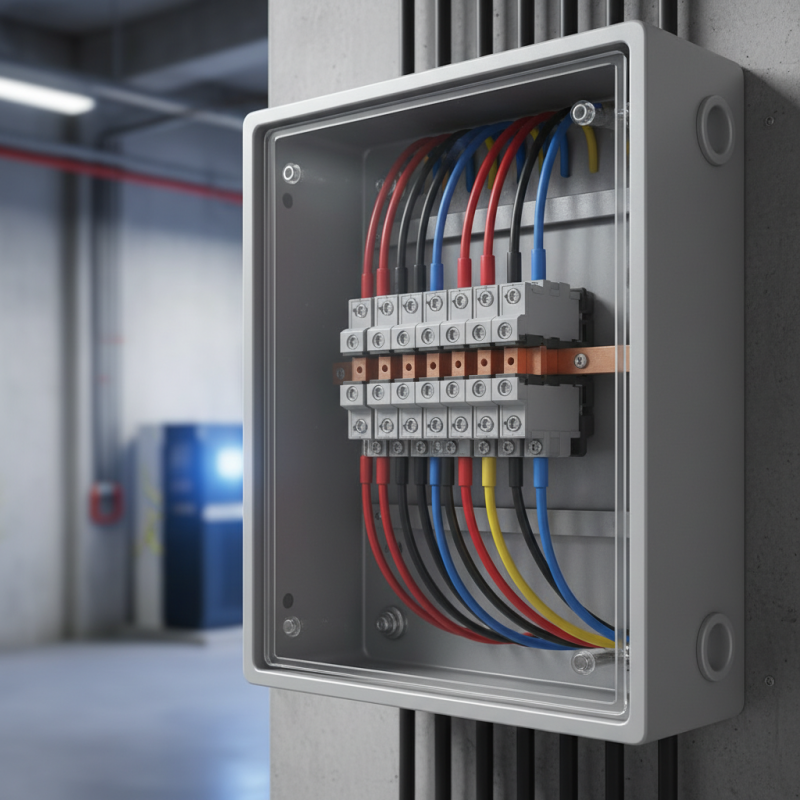
Overview of Cable Branch Boxes and Their Purpose
Cable branch boxes play a vital role in electrical systems. They are essential for managing and distributing electrical power efficiently. These boxes create a connection point for multiple circuits while ensuring safety. Their design allows easy access to wires, which makes maintenance straightforward. You can find cable branch boxes in residential, commercial, and industrial settings.
The purpose of these boxes extends beyond simple connectivity. They help prevent electrical overloads and reduce the risk of short circuits. Using these boxes can also enhance the organization of electrical systems. They protect connections from environmental factors, like moisture and dust. However, improper installation or insufficient planning can lead to issues. It’s critical to evaluate your needs carefully before installation. A poorly chosen box can affect the overall efficiency of your electrical system. Thus, understanding the specific requirements is crucial for effective implementation.
Key Advantages of Using Cable Branch Boxes
Cable branch boxes are essential for efficient electrical systems. They allow for organized connections and simplify wiring tasks. Utilizing these boxes ensures that wires are managed properly, reducing the risk of damage and increasing safety. Each branch box can support multiple circuits, making them ideal for both residential and commercial applications.
One significant advantage is their durability. Made from robust materials, cable branch boxes withstand environmental factors. They protect cables from moisture and dust, which can lead to short circuits. Easy installation is another benefit. Electricians can set up these boxes quickly, saving both time and resources. Additionally, having a centralized distribution point reduces clutter and enhances the overall aesthetic of the installation.
Proper maintenance is crucial, however. Regular inspections help identify wear and tear. This precaution prevents unexpected failures and costly repairs. Sometimes, these boxes can become a maintenance headache if not monitored closely. Emphasizing preventive measures helps ensure long-lasting performance and reliability.
Factors to Consider When Choosing a Cable Branch Box
When selecting a cable branch box, there are several crucial factors to consider. The box should be durable and weather-resistant. This ensures it can withstand harsh conditions without compromising safety. Look for materials that resist corrosion and physical damage. The design should also support efficient cable management, reducing clutter. A well-organized setup enhances safety and accessibility.
Consider the electrical specifications as well. Different applications may require distinct voltage ratings and ampacity. Ensure the branch box matches your project's specific requirements. Overlooked, this can lead to overheating or electrical failure. Cable entry points must accommodate your cable types efficiently. Also, evaluate installation ease. A complex setup can lead to costly delays.
One common mistake is underestimating space. A box too small can cause overheating and performance issues. Always allocate extra space for future needs. Sometimes, it's easy to overlook these details. Take time to assess the project requirements properly. It's not merely about immediate needs; consider long-term performance as well.
Benefits of Using Cable Branch Boxes
This chart illustrates the importance of various factors when selecting a cable branch box for electrical needs. Each factor is rated on a scale from 1 to 10, highlighting the significance of durability, safety, and cost-effectiveness.
Common Applications of Cable Branch Boxes in Electrical Systems
Cable branch boxes play a vital role in various electrical systems. They are commonly used in residential, commercial, and industrial settings. A recent industry report shows that proper deployment leads to a 30% reduction in installation time. This efficiency is crucial for meeting tight project deadlines.
In residential applications, cable branch boxes simplify the distribution of power to multiple outlets. This is especially useful in modern homes where multiple devices require power. For example, during renovations, these boxes help manage wiring neatly and effectively, maintaining the aesthetic of living spaces. In commercial spaces, a study indicates that around 40% of electrical faults stem from improper wiring. Using cable branch boxes can significantly mitigate this risk by ensuring safe and organized cabling.
Their versatility in industrial settings cannot be overstated. Factories often face unique wiring challenges due to the complexity of machinery. Cable branch boxes help streamline connections among various systems. However, their installation needs careful planning. Poor placement can lead to maintenance headaches later on. Industry experts recommend reviewing layout designs meticulously to ensure long-term reliability.
Maintenance Tips for Ensuring Optimal Performance of Cable Branch Boxes
Cable branch boxes play a critical role in electrical distribution. Their performance heavily relies on maintenance practices. Regular checks ensure that connections remain secure and functional. According to the Electrical Safety Foundation International (ESFI), about 80% of electrical failures result from poor maintenance.
Maintaining cable branch boxes involves inspecting for wear and tear. Look for signs of corrosion or damage. A study by the National Fire Protection Association (NFPA) found that properly maintained electrical systems can reduce fire risks by up to 30%. Cleaning the boxes regularly can prevent dust accumulation, which can cause overheating.
In addition, it's important to verify grounding integrity. A faulty ground can lead to system failures or hazardous situations. Testing grounding connections every few months is advisable. Many professionals recommend using thermal imaging to detect hot spots, indicating potential failure points. Remember that neglecting these maintenance tasks can lead to serious, costly issues.
Why You Should Choose Cable Branch Box for Your Electrical Needs?
| Feature | Details |
| Durability | Constructed from high-quality materials to withstand harsh environments. |
| Ease of Installation | Designed for quick and easy installation to save time and labor costs. |
| Versatility | Suitable for various electrical applications in industrial and commercial settings. |
| Maintenance | Regular inspections and cleaning recommended to maintain performance. |
| Safety | Enhanced safety features to protect against electrical hazards. |