
Choosing a Steel Rebar Manufacturer in 2026 means looking beyond a low price or a polished catalogue. In 2023, global crude steel production reached 1,892.2 million tonnes, according to the World Steel Association’s World Steel in Figures 2024. That scale makes supplier verification essential. The International Energy Agency’s Iron and Steel Technology Roadmap also identifies steelmaking as a major source of global energy-related emissions. These figures describe the wider steel industry, not rebar alone, but they offer useful context for evaluating capacity and production claims.
Start with the evidence. Check whether the manufacturer can provide current mill test certificates, traceable heat numbers, and results from independent testing. Confirm that grades, dimensions, rib patterns, and tolerances match the project specification. Ask how the plant handles rejected batches and delivery delays. A sample bar on a desk is not enough. Records matter.
World Steel Association Director General Edwin Basson has emphasized the need to make steel production more sustainable while continuing to supply a material society depends on. That perspective belongs in supplier discussions, alongside questions about energy use and emissions data. Still, sustainability claims deserve scrutiny; a general corporate statement is not a verified product footprint. The right Steel Rebar Manufacturer should answer technical questions plainly and support claims with documents. Even then, no checklist removes every risk. A careful comparison does.
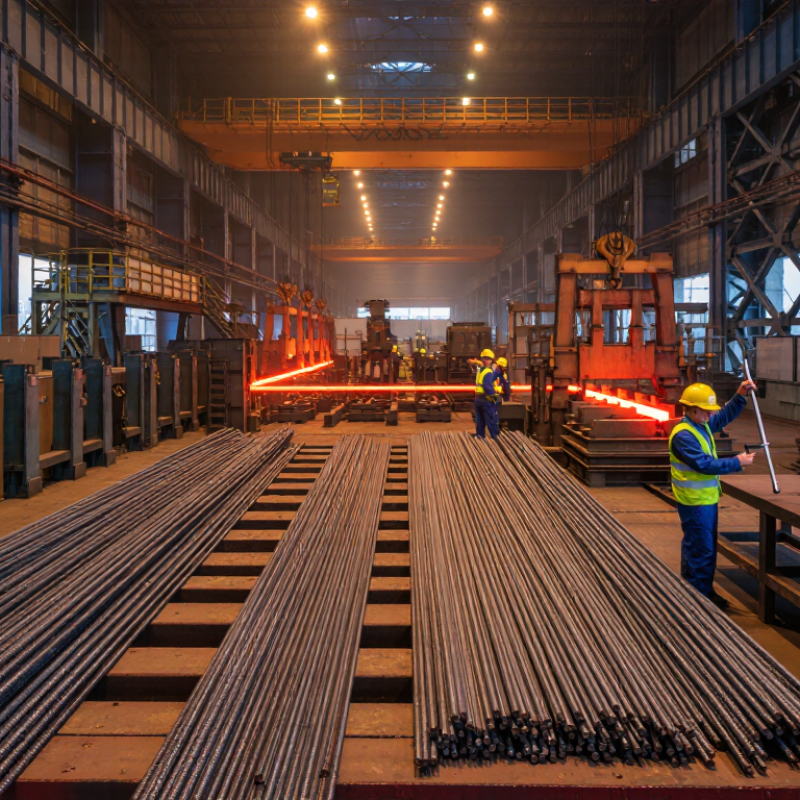
When comparing Steel Rebar Manufacturers, set the grade before discussing price or delivery.ASTM A615 Grade 60 calls for a minimum yield strength of 60 ksi, about 420 MPa. Make that requirement explicit in the purchase specification. Yield strength is not the same as tensile strength, so a high tensile result alone does not prove Grade 60 compliance.
Ask for a mill test certificate tied to the specific production lot. Check that it identifies the bar size, grade, heat number, and measured yield strength. Then compare those details with the tags on delivered bundles. On a busy jobsite, mismatched tags can turn a valid certificate into the wrong evidence. Keep the records together. It sounds basic, but it is easy to miss.
A capable manufacturer should explain how it tests and traces each lot, and should provide supporting test results when requested. If a report lists values close to the minimum, ask how measurement uncertainty and acceptance criteria are handled under the project documents. Do not rely on a verbal assurance. I would also check sample bars for markings and dimensions on receipt; paperwork can be tidy while a bundle still needs closer inspection. A supplier’s response to a specific technical question often reveals more than a polished brochure.
How to Choose a Steel Rebar Manufacturer in 2026?
When weldability matters, ask whether the reinforcing bar meets ASTM A706 requirements. The standard limits carbon equivalent to 0.55%, helping control the risk of weld-related cracking. Check the mill test report for the carbon-equivalent value and confirm that the heat number matches the bars delivered to your site. A missing link between paperwork and material can create real headaches.
Carbon equivalent is calculated from several alloying elements, not carbon alone. ASTM A706 uses a formula that includes carbon, manganese, chromium, molybdenum, vanadium, nickel, and copper. A value at or below 0.55% is a useful screening point, not a guarantee that every joint will weld successfully. Welding procedure, bar condition, restraint, and heat input still matter. Small detail. Big difference.
Ask the manufacturer for traceable test documentation and clear identification on bundles. If bars will be welded, have the project’s welding requirements reviewed by a qualified professional before work begins. I would not treat one number as a magic pass; it is easy to overlook site conditions when comparing suppliers. The paperwork should be easy to verify, and the delivered grade should match the specification.
Choosing a steel rebar manufacturer starts with confirming that its size range matches your drawings. ASTM A615 covers bars from #3 through #18, with nominal diameters from 3/8 to 2.257 inches. These are nominal dimensions, not smooth-bar measurements: raised ribs affect caliper readings. Ask for the manufacturer’s size chart and confirm the exact bar designation, grade, and applicable specification for your order. A broad “full range” claim is not enough.
Match the bar schedule to the quoted sizes before approving production. A #3 bar may suit a light slab detail, while an #18 bar is intended for substantially larger reinforcement requirements; the engineer’s design governs the choice. Request mill test reports linked to heat numbers, along with size and grade confirmation. Check mass per unit length and the required dimensional information, too. Details matter. For a sample bundle, compare the markings and rib pattern against the documents, rather than relying on a quick measurement across the ribs.
A size list alone does not demonstrate consistent supply. Ask how the producer identifies and separates different bar sizes during packing, and how substitutions are handled. This check can feel tedious, and it is easy to rush when a project is behind schedule. Still, a small mismatch between the drawing, purchase order, and delivered bundle can create avoidable delays. Verify the paperwork before the truck arrives.
The chart compares standard ASTM A615/A615M bar designations with their nominal diameters. The designation range runs from #3 to #18; it does not include every whole-number size in between. Confirm the required bar designation and applicable specification with your project documents and supplier.
Diameters shown are nominal values in inches.
A steel mill’s ISO 9001:2015 certificate is a useful starting point, not proof that every rebar batch meets specification. Check the certificate’s validity, issuing body, and scope; it should cover the manufacturing site and relevant production activities. The ISO Survey of Management System Standard Certifications 2022 recorded more than 1.2 million ISO 9001 certificates worldwide. That reach makes verification important: ask for the certificate number and confirm it with the issuing body. Paper can look convincing.
Then request test reports tied to the actual heat number on the bundle tags. Compare that number with the report, delivery documents, and mill markings. Review chemical composition, yield and tensile strength, elongation, and bend-test results against the project specification. Check the test date, laboratory identification, and equipment calibration details. World Steel Association data put global crude steel production at about 1.89 billion tonnes in 2023, a scale that makes clear, consistent traceability essential. I would also ask how the mill handles failed tests and corrected reports. That question can feel awkward, but a polished certificate alone tells you little about a specific shipment. If records do not match, pause acceptance and request clarification before installation.
Benchmark Supply Context: Worldsteel Recorded 1,892.4 Mt of Crude Steel in 2023
Worldsteel recorded 1,892.4 million tonnes of crude steel production in 2023. This figure offers useful context when assessing the scale of the global steel industry. It does not show how much finished rebar was available, where it was produced, or whether it met a project’s specifications. That distinction matters.
When comparing manufacturers, ask for recent test certificates and clear information about grade, bar diameter, length, and production tolerances. Check whether sample documents match the material delivered. A neatly stamped bundle is helpful, but it cannot replace verified test results. I would also ask how production batches are identified and how delivery dates are tracked. These details can reveal gaps before steel reaches the site.
Capacity matters, but it should not be the only measure. A large crude-steel output worldwide does not guarantee reliable local supply or consistent rebar quality. Review a manufacturer’s production schedule, inspection process, and ability to meet required quantities. Confirm that the quoted product suits the project’s design documents, rather than relying on a general claim of compliance. Honestly, paperwork can still look complete while leaving practical questions unanswered. Ask who resolves a mismatch, and what evidence they provide.