How to Choose the Best Fluorine Pump for Your Needs?
Choosing the right Fluorine Pump can seem daunting. The variety of options in the market can overwhelm anyone. However, selecting a suitable pump is crucial for efficient performance and safety. Fluorine Pumps are designed for specific applications, often handling corrosive fluids. This requires careful consideration of various factors.
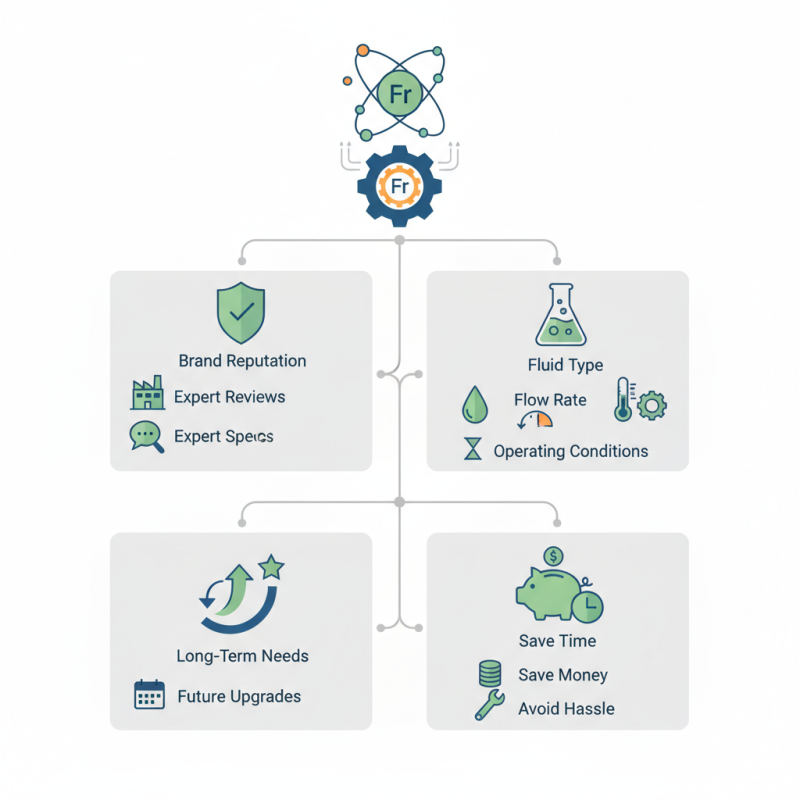
Quality and reliability stand out as essential features when evaluating each option. Look for established brands known for their expertise in fluorine applications. Reviews and recommendations from professionals in the field can provide valuable insights. Understanding the technical specifications will also help you make an informed decision.
Pay attention to the specific needs of your application. Each Fluorine Pump has unique attributes tailored for different environments. Consider the fluid characteristics, flow rates, and operating conditions. Reflect on your long-term needs and whether you might need to upgrade in the future. Making the best choice can save you time, money, and hassle down the line.
Understanding Different Types of Fluorine Pumps Available in the Market
Fluorine pumps are essential for various industrial processes. They are designed to handle corrosive and volatile fluids containing fluorine compounds. Understanding the different types available can help you make the right choice.
Centrifugal pumps are common in many applications. They use rotational energy to move fluids, ensuring a steady flow.
Diaphragm pumps, on the other hand, are ideal for precise dosing. They are less susceptible to leaks, making them safer in hazardous environments.
Additionally, peristaltic pumps are suitable for applications requiring gentle handling of fluids. Their design minimizes shear stress, preserving the integrity of the fluid.
Each type serves unique purposes, but none are perfect. Centrifugal pumps may struggle with highly viscous fluids. Diaphragm pumps require regular maintenance to avoid wear and tear. Peristaltic pumps can be limited by material compatibility. Reflecting on these points is critical for informed decision-making. The right choice hinges on evaluating your specific needs and operational conditions.
Key Factors to Consider When Selecting a Fluorine Pump
Choosing the right fluorine pump is crucial for safety and efficiency. Start by assessing your specific needs. Determine the fluid's temperature and pressure range. Not all pumps handle extreme conditions effectively. Compatibility with the chemical's properties is vital. Some materials can degrade in the presence of fluorine.
Next, consider flow rate and volume requirements. It's essential to match the pump's capacity with your process needs. Also, think about maintenance needs. Some pumps require regular checks, while others are designed for easy upkeep. A pump that is easy to maintain may save you time and money in the long run.
Lastly, evaluate the pump's installation space. Ensure it fits in the designated area without compromising performance. Keep in mind that longer pipelines can affect efficiency. Reflect on the environmental impact as well. Sustainable options can be more cost-effective over time.
Assessing the Performance Specifications of Fluorine Pumps
Fluorine pumps are essential in industries that handle corrosive substances. Selecting the right one involves assessing various performance specifications. Key factors include flow rate, pressure capacity, and material compatibility. According to recent industry reports, pumps must withstand high corrosion rates in demanding environments. Failure to choose carefully can lead to costly downtimes.
Flow rate is crucial. It determines the amount of fluid moved per unit time. For example, many applications need a pump capable of handling 5-15 liters per minute. Pressure capacity also matters, especially in high-energy processes. Pumps must operate efficiently under various pressure levels. If pressure demands are overlooked, it can result in pump failure.
**Tip**: Always check the material specifications. Fluoropolymer linings can dramatically increase a pump’s longevity against corrosive fluids.
When evaluating pumps, consider their reliability metrics. Some reports suggest that 30% of pumps fail due to improper specifications. Regular maintenance logs and user reviews provide insight into a pump's long-term performance. Beware of overhyped performance claims. Call on actual user experiences to inform your decision.
**Tip**: Seek out performance data from multiple sources before purchasing. Diverse insights can reveal hidden vulnerabilities or advantages in specific models.
Evaluating Material Compatibility for Fluorine Pump Applications
When selecting a fluorine pump, material compatibility is vital. Fluorine is highly reactive and can degrade many materials. Therefore, understanding which materials are suitable is crucial for optimal performance. Fluoropolymers like PTFE and FEP are typically good choices. They resist corrosion but can be expensive.
Not every application requires costly materials. Sometimes, using less resistant materials with protective coatings can suffice. Consider the specific conditions of your operation. For instance, if temperature fluctuations are present, the material must withstand these changes without losing integrity.
Always consult with professionals for an informed decision. They can provide insights based on experience and industry standards. It's essential to reflect on the long-term implications of your choices. Materials that seem suitable today may not hold up over time. Evaluating the entire system, including potential chemical reactions, is necessary for a reliable fluoro pump solution.
Material Compatibility for Fluorine Pump Applications
This chart illustrates the compatibility of various materials commonly used in fluorine pump applications based on their resistance ratings. Higher resistance ratings indicate better suitability for handling fluorine gas.
Examining Maintenance and Support Options for Fluorine Pumps
When selecting a fluorine pump, maintenance and support options are critical factors. Proper maintenance ensures the longevity of the equipment. Regular inspections can help identify wear and tear before major issues arise. Checklists are valuable tools for maintenance protocols. Scheduled maintenance should be detailed, outlining specific tasks for each component.
Support options also play a vital role. Consider whether your fluorine pump supplier offers responsive customer service. Access to expert advice can guide you through complex situations. Look for options that include on-site support. This can be especially beneficial during initial setup or troubleshooting.
Reflect on your particular needs. Do you have in-house expertise, or will you rely heavily on external support? Both answers will impact your choice significantly. Evaluate if you can perform regular maintenance yourself or require specialized service personnel. Take time to weigh these aspects carefully.