How to Choose the Best Industrial Freeze Dryer for Your Needs?
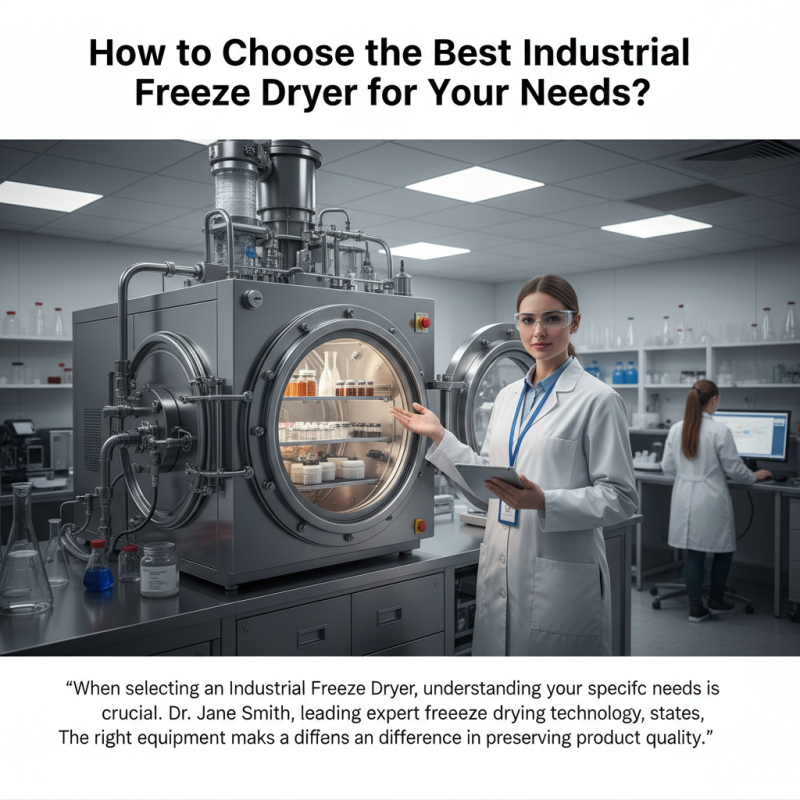
When selecting an Industrial Freeze Dryer, understanding your specific needs is crucial. Dr. Jane Smith, a leading expert in freeze drying technology, states, "The right equipment makes all the difference in preserving product quality." As the industry evolves, the choices can be overwhelming.
Many companies underestimate the importance of matching their freeze dryer specifications to their applications. This can lead to inefficiencies and quality loss. For instance, the size and type of materials to be dried directly impact the choice of an Industrial Freeze Dryer. Knowing these details is essential for making an informed decision.
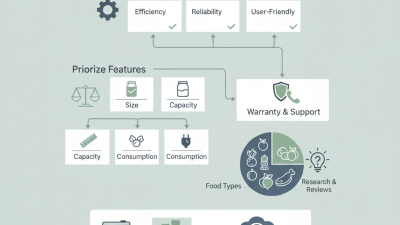
Additionally, not all freeze dryers are created equal. Features such as energy efficiency, user-friendliness, and maintenance should be prioritized. Understanding these aspects can save you time and money in the long run. Reflect on your unique requirements. It’s essential to recognize that the best choice is not always the most expensive option.
Understanding the Basics of Industrial Freeze Dryers
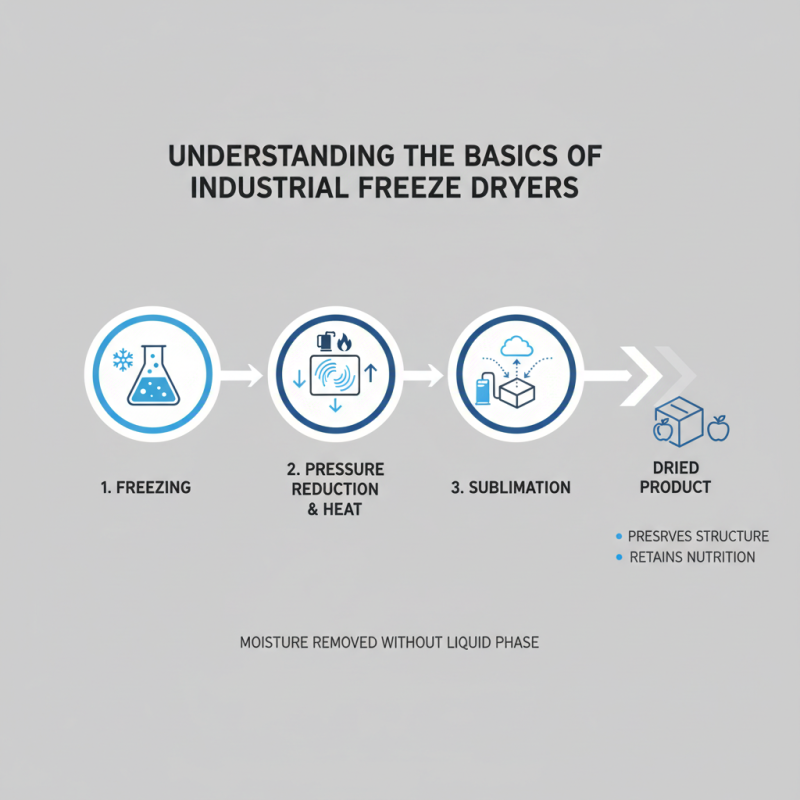
When selecting an industrial freeze dryer, understanding the fundamentals is essential. An industrial freeze dryer operates by removing moisture from products while preserving their structure and nutritional value. This process involves freezing the product, then reducing the pressure and adding heat. As a result, sublimation occurs, enabling moisture to escape without passing through a liquid phase.
According to a 2022 industry report by Smithers, the global freeze-drying market is projected to reach $3 billion by 2026. This growth indicates a rising demand for high-quality freeze-drying equipment in sectors like food processing and pharmaceuticals. The various types of freeze dryers, including batch and continuous systems, offer distinct advantages. Batch systems are often more affordable but may delay production. Conversely, continuous systems increase output but come with higher overhead.
Choosing the right machine requires assessing specific criteria. Consider the scale of production and the types of products you intend to freeze dry. Many facilities face challenges, such as managing energy consumption and footprint size. Furthermore, maintenance requirements can significantly affect long-term operational efficiency. Successful freeze drying relies on consistent quality and optimization, which often requires continuous evaluation and adjustment of the process parameters.
Key Factors to Consider When Choosing a Freeze Dryer
Choosing the right industrial freeze dryer involves several key factors that can greatly impact your efficiency and product quality. Understanding your specific needs is crucial. Consider the volume of material you plan to process. Larger operations require a dryer with greater capacity. Assess the size of your workspace as well; it should comfortably accommodate the equipment, allowing easy access for maintenance.
Another important factor is the drying temperature range. Different materials may require specific conditions to ensure their integrity. For example, some heat-sensitive products need lower temperatures. Evaluate the energy efficiency of the machines, too. This can lead to significant savings over time. Look into the maintenance requirements and the availability of parts, as complex models may demand more frequent repairs.
Also, consider the ease of use. Machines with user-friendly interfaces can save time and reduce operator error. It is important to reflect on your long-term goals as well. Are you planning to scale operations in the future? This consideration may influence your investment. Gathering insights from experienced freeze dryer users can help you identify potential pitfalls. Balancing these factors will lead you to a choice that supports your operational needs effectively.
Evaluating Different Types of Freeze Dryers
When evaluating different types of freeze dryers, it’s important to consider how each type fits specific needs.
There are two main categories: batch and continuous freeze dryers.
Batch freeze dryers are versatile and suitable for smaller production runs.
They work well for labs and small-scale operations. However, they may lack the efficiency needed for larger demands.
Continuous freeze dryers are designed for high-volume production.
They provide a more streamlined process. This type often requires more space and a greater initial investment.
Business owners must weigh these factors carefully. Efficiency is crucial for keeping operational costs down,
but flexibility should not be overlooked.
In addition, consider the drying capacity and shelf space.
These elements impact productivity directly. Pay attention to the control systems
as they influence the quality of the final product. Advanced systems provide
better monitoring but can be complex. Balancing reliability with user-friendliness is essential.
Each choice comes with trade-offs. Take the time to reflect on what features matter most for your specific application.
Assessing Size and Capacity Requirements for Your Needs
When selecting an industrial freeze dryer, size and capacity are critical factors. The freeze dryer must accommodate your production needs. According to industry reports, the average freeze dryer can process between 1 to 100 kg of input material per batch. This variance in capacity significantly affects both your workflow and productivity.
Consider your current and future scaling requirements. If your operation expands, is your freeze dryer capable of handling increased volumes? Many businesses overlook this crucial aspect. Data shows that small-scale operations often invest in larger freeze dryers, anticipating future growth. However, this may lead to inefficiencies if the equipment is underutilized for a long time.
You should also assess the physical footprint of the freeze dryer. Some units require substantial space for proper ventilation and maintenance access. Proper placement can prevent overheating and ensure optimal operation. Ignoring these details may result in operational challenges in the long run. A freeze dryer that is too large may dominate your facility, while a model that's too small can limit your potential. Balancing size and capacity is key for sustainable operations.
Budget Considerations and Cost of Ownership for Freeze Dryers
When selecting an industrial freeze dryer, budget considerations are crucial. The upfront cost is only one part of the equation. You should also factor in maintenance costs, energy consumption, and the lifespan of the equipment. An affordable unit may attract you, but it could lead to higher operational expenses. Assess the total cost of ownership to avoid future financial strain.
Energy efficiency is another vital aspect. Some models may require significant power, increasing your utility bills. Look for units that provide energy-saving features. Consider your production needs and frequency of use. A machine that operates frequently should be robust and economical over time.
Moreover, warranties and service agreements can greatly influence costs. A unit with a solid warranty may have a higher price tag but can save you money in repairs. Longevity affects the return on investment. Investing thoughtfully requires a balance between initial costs and potential returns. It’s essential to evaluate your unique needs to avoid overspending. Reflect on these factors to make an informed decision.