How to Choose a Hydraulic Internal Gear Pump for Your Needs
Selecting a Hydraulic Internal Gear Pump is not just a matter of matching pipe size. The pump must suit the fluid, pressure, speed, and duty cycle of the equipment around it. A model that performs well on a test bench may behave differently when oil is cold at startup or the system runs for long shifts. Small details matter.
Internal gear pumps are often chosen for steady flow and compact installation. However, those advantages depend on operating conditions and correct sizing. Check the manufacturer’s pressure and speed limits, recommended viscosity range, port arrangement, and material compatibility. Then compare those specifications with the machine’s real operating data, not only its peak figures. A quiet pump can still be the wrong pump.
This guide explains how to assess flow requirements, fluid properties, mounting space, and expected service conditions before choosing a model. It also looks at practical trade-offs, including efficiency, noise, maintenance access, and purchase cost. There is no universal best option. Even experienced engineers sometimes discover that a seemingly minor change in fluid temperature alters performance. That is worth checking early. With reliable specifications and a clear picture of the application, buyers can narrow their choices and discuss the remaining questions with a qualified pump supplier.
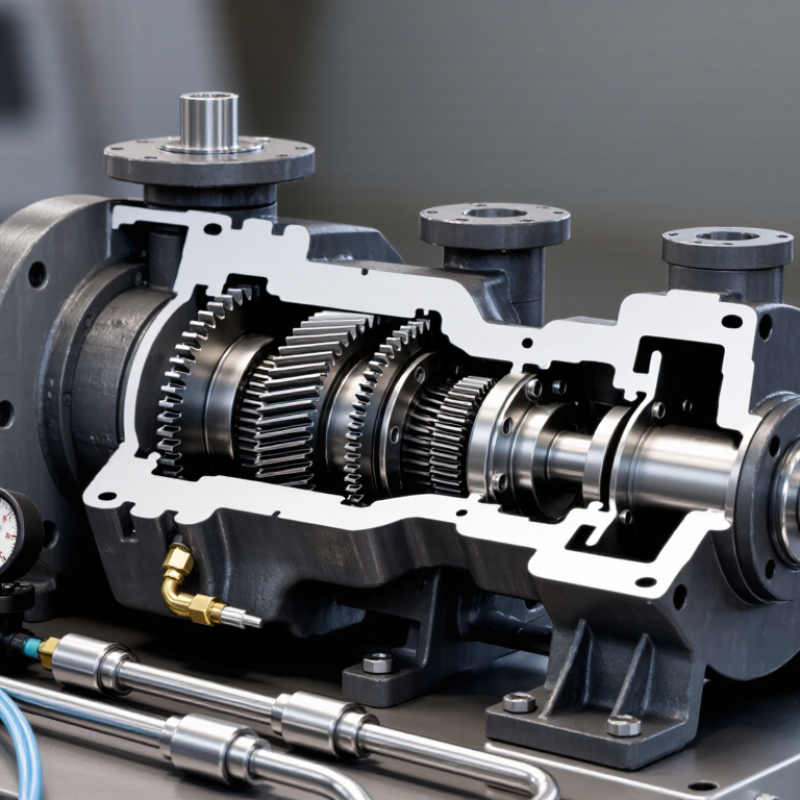
Understanding How a Hydraulic Internal Gear Pump Works
Understanding How a Hydraulic Internal Gear Pump Works
A hydraulic internal gear pump moves fluid through the changing spaces between two meshing gears. The smaller inner gear drives a larger ring gear, with their centers slightly offset. In many designs, a crescent-shaped separator sits between them. Small detail, big effect. It divides the inlet side from the outlet side and helps prevent fluid from simply circulating inside the pump.
As the gear teeth separate near the inlet, the available chamber volume grows. This creates a low-pressure area that draws hydraulic fluid into the pump. The rotating teeth carry fluid around the crescent, trapped between the gear surfaces and the housing. Near the outlet, the teeth mesh again, reducing chamber volume and pushing fluid into the system. The gears do not create pressure on their own; pressure develops when the flow meets resistance downstream. A relief valve is therefore important for protecting the pump and circuit.
In real operation, fluid viscosity, speed, temperature, and inlet conditions all affect performance. A cold, thick fluid may enter slowly, while a restricted inlet can encourage noise and wear. The pump may seem simple, but small installation details matter. Checking the fluid specification and operating range is a sound starting point. I would also question assumptions about “quiet” operation: mounting, piping, and system condition can change what an operator hears. The manual’s limits deserve attention.
Defining Flow, Pressure, Speed, and Fluid Requirements
Choose a hydraulic internal gear pump by matching its operating range to the machine, not just its advertised maximum. Estimate required flow from actuator speed and cylinder dimensions, then account for leakage and expected wear. A pump’s displacement and shaft speed determine theoretical flow, but delivered flow is lower under load. Leave a sensible margin; excessive oversizing can waste energy and create heat.
Pressure requirements should reflect the hardest part of the duty cycle, including startup and shock loads. Check the pump’s continuous and intermittent pressure limits separately. Then verify that the drive can supply the torque needed at that pressure and speed. A motor may reach the required revolutions per minute, yet still lack the power for sustained work. Small details matter.
Fluid choice affects clearances, lubrication, and sealing. Confirm the fluid’s viscosity across the actual temperature range, not only at room temperature. Cold oil can make startup sluggish, while hot, thin oil may increase internal leakage. Check inlet conditions and line sizes too; a restrictive suction hose can invite noise and cavitation. Measure it warm. If your estimates feel uncertain, record pressure, speed, and fluid temperature during a representative cycle before selecting the pump. Those readings may expose a mismatch that a catalog calculation misses.
Comparing Pump Displacement, Materials, and Efficiency
Pump displacement determines how much oil moves with each shaft revolution. Choose it from the required flow and operating speed, not from a catalog’s maximum rating alone. A system needing steady actuator motion may require a different displacement than one with intermittent demand. Check the expected speed range, pressure, oil viscosity, and inlet conditions. Too large a pump can waste power or cause excess flow. Too small, and the actuator may feel sluggish. Measure actual demand.
Materials affect wear, compatibility, and service life. Confirm that the pump’s housing, gears, seals, and bearings suit the hydraulic fluid and temperature range. For example, fluid that is too hot or contaminated can shorten seal life and accelerate wear, even when the main gear set is robust. Look for documented material and fluid compatibility rather than assuming that all hydraulic oils behave alike. This detail is easy to overlook.
Efficiency figures need context. Volumetric efficiency describes how well the pump limits internal leakage; mechanical efficiency reflects losses from friction and load. Ask for test data near your expected pressure, speed, and oil temperature. A pump can look efficient at one test point and perform differently in a cold start or at low speed. I would compare operating curves, not one headline percentage. Real systems rarely stay at a single ideal condition, and sizing from a neat spreadsheet alone can miss that.
Checking System Compatibility and Installation Conditions
Selecting a hydraulic internal gear pump begins with the actual fluid and operating cycle, not just the rated pressure. Confirm viscosity at both cold start and normal temperature, fluid compatibility with seals and metals, required flow, pressure, and speed. Then compare the pump’s inlet limits with the system’s suction-line diameter, length, bends, and fluid level. A narrow or long inlet can encourage cavitation and noisy operation. Small details matter.
Tips: Check rotation direction, shaft alignment, mounting stiffness, and port orientation before installation. Keep the suction hose short and free of sharp bends. Verify that the reservoir level remains above the inlet during operation. A clean-looking installation can still have poor inlet conditions.
Filtration and cleanliness are part of compatibility, too. ISO 4406:2021 uses particle-count codes in which each step represents roughly a twofold range for particles in a given size band; contamination can therefore rise quickly when maintenance slips. Set the cleanliness target from the pump maker’s specification, then check the filter rating and service indicator. ISO 4413:2010 also provides general requirements for hydraulic systems, including safe installation and pressure control. A datasheet may look complete, yet omit the awkward site detail: hot oil, a vibrating frame, or a suction pipe that is too small. Verify those conditions before final selection.
Evaluating Reliability, Maintenance, and Total Cost of Ownership
A hydraulic internal gear pump should be judged against its real duty cycle, not just its catalog rating. Start with fluid viscosity, operating temperature, pressure, speed, and expected hours per day. A pump rated for the right pressure may still struggle with cold, thick oil or frequent starts. Ask for test data from conditions close to yours. Check seal materials, shaft loading, and tolerance for contamination. Small signs matter. Rising case temperature, new vibration, or a change in sound can point to wear or poor installation. A quiet pump is not automatically a reliable one, but unusual noise deserves investigation.
Maintenance affects the total cost of ownership. Look at how easily technicians can inspect connections, replace seals, and reach the pump without dismantling nearby equipment. A filter indicator and routine oil sampling can reveal problems before an unplanned stop. Ask what service intervals assume; clean fluid and steady loads are not guaranteed on every site. Compare purchase price with energy use, replacement parts, labor, and the cost of downtime over the expected service life. That estimate will be imperfect. Real operating conditions rarely match a spreadsheet. Still, recording pressure, temperature, and service history gives buyers a sounder basis for comparing options.