How to Choose the Right Industrial Embedded PC for Your Needs?
Choosing the right Industrial Embedded PC can be challenging. Many factors come into play, including performance, scalability, and environmental conditions. Matt Johnson, a recognized expert in the field of embedded computing, emphasizes, “The right choice can elevate your operational efficiency.” His insight underscores the importance of aligning your PC selection with specific business needs.
Industrial Embedded PCs are the backbone of many automated processes. They manage tasks in demanding environments. Features like rugged design and long-term support become critical. Many users overlook how these factors affect performance over time. For instance, a durable enclosure can withstand harsh conditions, prolonging the equipment's lifespan.
Understanding your operational requirements is essential. Assessing processing power and connectivity options will help avoid costly mistakes. Asking the right questions can lead to better decisions. The goal is not just to buy a device but to enhance productivity. Finding the perfect fit may require some trial and error, leading to valuable lessons.
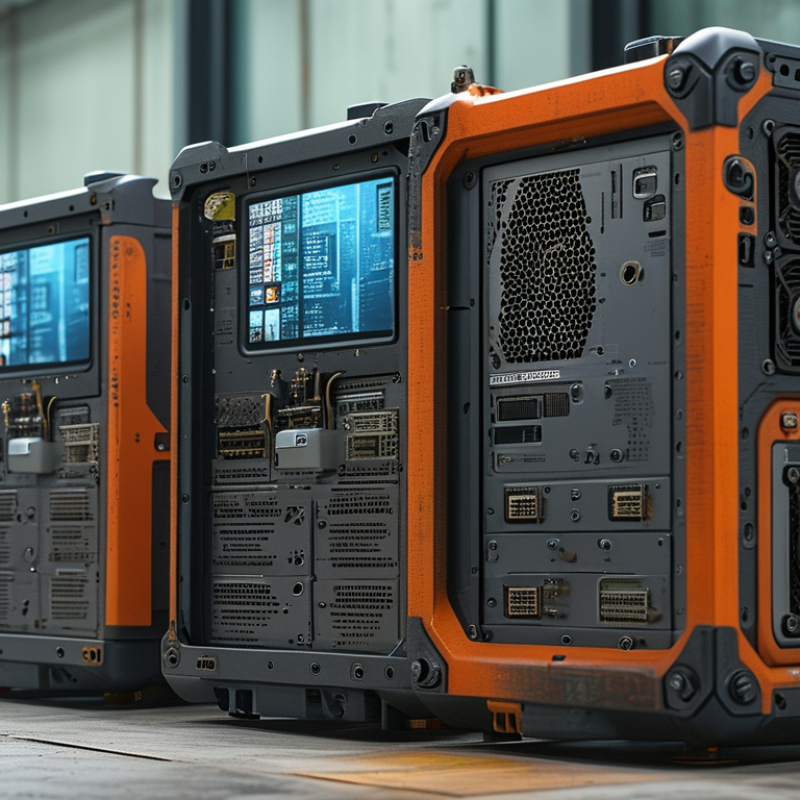
Understanding Industrial Embedded PCs: Key Features and Benefits
Industrial embedded PCs are essential for various applications. They provide reliability and efficiency in demanding environments. Understanding their key features is crucial when selecting the right model.
One important feature is processing power. Many tasks require robust CPU capabilities for real-time data processing. Consider your workload demands. A system may lag if it lacks the necessary specifications. Memory capacity also matters. Insufficient RAM can lead to slowdowns. Skimping on storage solutions might compromise data integrity.
Another key aspect is connectivity options. Industrial settings often require communication with other devices. Check for multiple ports and compatibility with protocols. Durability is vital too. Embedded PCs should withstand harsh conditions. Dust, vibrations, and extreme temperatures can damage systems. Think about where your PC will be placed. Assessing these factors ensures long-term reliability.
Identifying Your Specific Application Requirements for Embedded PCs
Choosing the right embedded PC begins with understanding your specific application requirements. Different applications demand varying levels of processing power, memory, and connectivity. For instance, a real-time automation task may need a high-performance unit. In contrast, a simple data logging function might work perfectly with a lower-end model. Assess your needs carefully.
Think about the environment where the embedded PC will operate. Will it be exposed to extreme temperatures or dust? If so, you need a rugged design. Power consumption is another critical factor. An efficient system can lead to significant cost savings over time. Always consider the future, as scalability could be vital for long-term projects.
Don’t forget to involve your team in discussions. Diverse perspectives often reveal overlooked aspects. Testing prototypes in real-world scenarios can highlight unseen flaws. Keep experimenting until the right fit emerges. The process might take time and reflection but leads to optimal performance in the end.
Evaluating Performance Specifications: CPU, Memory, and Storage Needs
When selecting an industrial embedded PC, understanding performance specifications is crucial. The CPU is at the heart of the system. Look for multi-core processors, as they offer better performance for complex applications. A study by IDC shows that multi-core CPUs can enhance processing power by up to 50%. This is essential for tasks like data analytics or real-time monitoring.
Memory also plays a vital role. More RAM allows the device to handle larger datasets and run multiple applications simultaneously. According to the Embedded Systems Design report, 4GB is often the minimum for basic applications, while 8GB or more is recommended for intensive tasks. However, overspending on excess memory can be counterproductive if the application does not require it.
Storage solutions vary widely. Solid State Drives (SSDs) provide faster access times compared to traditional Hard Disk Drives (HDDs). For example, SSDs can improve boot times and application loading by up to 300%. Be mindful of balancing speed and capacity based on your specific use case. Choosing a storage solution that doesn't align with your operational needs can lead to wasted resources. Make sure to evaluate each specification carefully to find the right fit for your application.
Assessing Environmental Conditions: Temperature, Dust, and Vibration Resistance
When selecting an industrial embedded PC, one critical aspect to consider is how it will perform under various environmental conditions. Temperature, dust, and vibration resistance can significantly impact the longevity and reliability of your hardware. Devices exposed to extreme temperatures may experience performance fluctuations or even hardware failure. Therefore, checking the operating temperature range is essential to ensure that the PC can function effectively where it will be used.
Dust can accumulate inside the hardware, affecting performance over time. Embedded PCs used in manufacturing or outdoor environments need adequate sealing to prevent dust ingress. This can greatly enhance the lifespan of your device. It's beneficial to look for models with high IP ratings, indicating strong protection against dust and moisture.
Tips:
Consider using filters or regular maintenance to clear dust build-up.
Testing PC prototypes in real environments reveals potential weaknesses.
Invest in vibration-resistant designs if your application involves movement.
How to Choose the Right Industrial Embedded PC for Your Needs?
| Environment Type | Temperature Range (°C) | Dust Resistance | Vibration Resistance (g) | Typical Applications |
| Indoor | 0 to 50 | IP20 | 2 | Office Automation |
| Outdoor | -20 to 60 | IP65 | 4 | Smart City Solutions |
| Industrial | -40 to 70 | IP67 | 6 | Factory Automation |
| Automotive | -40 to 85 | IP69K | 8 | Vehicle Control Systems |
Comparing Cost, Support, and Longevity of Different Industrial PC Brands
When choosing an industrial embedded PC, cost, support, and longevity are crucial factors. Many organizations are focused on maximizing their investment. According to a recent market report, nearly 35% of companies reported downtime due to hardware failures. This underscores the need for reliable devices. A slightly higher initial cost may lead to significant savings over time.
Support is another vital aspect. Technical support availability can greatly affect your operations. The same report indicates that 40% of users encountered challenges when seeking assistance. This highlights the importance of brands that offer responsive customer service and extensive documentation. A dedicated support team can minimize disruptions and enhance productivity.
Longevity is not just about how long a device lasts but also its adaptability to evolving technologies. A study revealed that nearly 80% of industrial PCs are replaced within five years due to compatibility issues. Selecting a device with a proven track record for durability can mitigate these concerns. The choice of an embedded PC impacts the overall efficiency of operations. Factors like warranty and upgrade options should also be considered.