How to Choose an Isolation Transformer in 2026?
Choosing an Isolation Transformer in 2026 requires more than comparing prices, brands, or nameplate ratings. The correct model must match the real electrical environment. Start with the load. A medical monitor, CNC controller, laboratory instrument, and audio system may need very different protection. Each reacts differently to leakage current, harmonics, voltage distortion, and inrush current.
Power-quality specialist Joseph Seymour wrote, “The first step in solving a power quality problem is to understand what the problem is.” That principle remains practical. Before selecting equipment, measure the input voltage, frequency, load current, grounding arrangement, and disturbance patterns. A handheld meter may miss brief voltage dips. A power-quality analyzer can reveal them.
Small details matter. A transformer rated at 10 kVA may overheat when a motor starts. A shield may reduce common-mode noise, but it cannot correct every waveform problem. Galvanic isolation can improve safety and reduce unwanted coupling. It does not replace proper grounding, overcurrent protection, or local code compliance.
Look for suitable insulation, temperature-rise performance, efficiency, sound level, enclosure protection, and short-circuit withstand capability. Check relevant IEC, UL, or regional requirements. Requirements vary by installation location.
The “best” transformer is rarely universal. That is the uncomfortable part. A catalog choice may appear correct yet fail under real operating conditions. Reviewing measurements with a qualified electrical engineer is wiser than trusting assumptions. In 2026, selection should balance safety, reliability, energy use, maintainability, and future load changes. Leave room for reality.
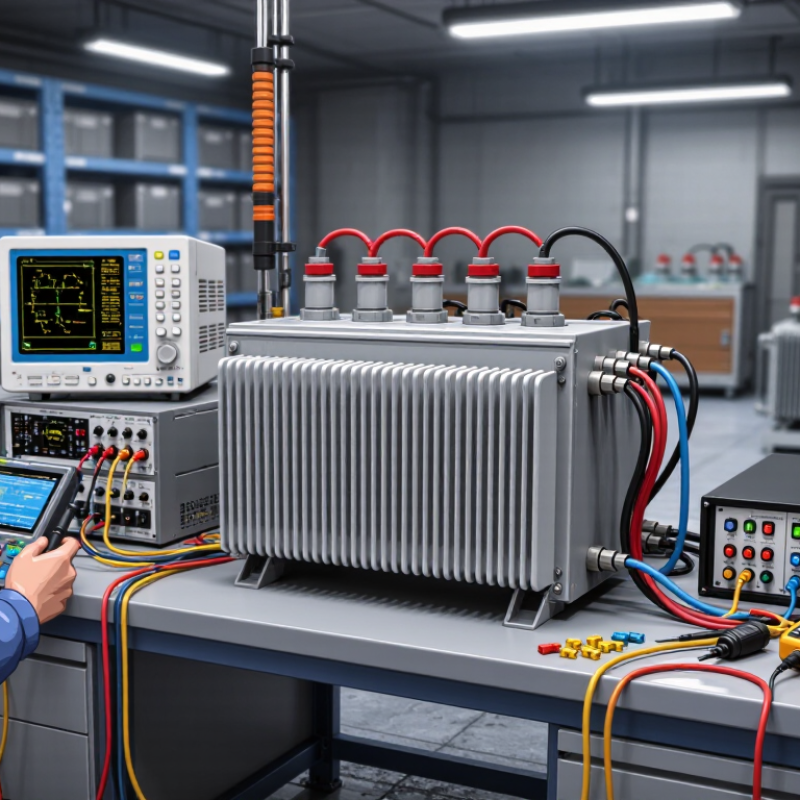
What an Isolation Transformer Does and Why It Matters in 2026
How to Choose an Isolation Transformer in 2026?
An isolation transformer separates the input circuit from the output circuit through magnetic coupling. This galvanic separation can reduce shock hazards and interrupt unwanted ground-current paths. It does not make a damaged cable safe. It also does not replace grounding, fuses, or qualified electrical inspection.
In 2026, sensitive equipment often combines switching supplies, sensors, and communication ports. Choose a transformer with the correct primary and secondary voltage, frequency, and VA rating. Leave practical headroom above the equipment’s measured starting demand. Motors and power supplies may draw sharp inrush current. Check temperature rise, insulation class, leakage current, efficiency, and enclosure protection. A shielded design may reduce noise between circuits, but it is not a universal cure. The easy assumption is that a larger unit is always better. It is not. Oversizing can increase cost, idle losses, and installation weight. I would recheck the real load with a meter before ordering.
Tips: Read the equipment label, then measure actual operating current. Confirm continuous and startup loads separately. Test output voltage under load, not only at idle. Keep ventilation clear, and inspect terminals after installation. If hum, heat, or unexpected voltage appears, stop and investigate. Small details matter. A transformer can reduce one risk while leaving another untouched. That limitation deserves honest attention.
How to Define Voltage, Power, Frequency, and Load Requirements
How to Choose an Isolation Transformer in 2026?
Choosing an isolation transformer in 2026 starts with a clear electrical profile. Define the input and output voltage separately. A 400 V supply and a 230 V load need different protection decisions. Confirm whether the output must remain grounded or isolated from ground. Frequency also matters. A transformer designed for 50 Hz may behave differently on a 60 Hz system. Check the equipment nameplate, measured voltage, and expected voltage variation before selecting a model.
Tips: Calculate power in VA, not watts alone. Motors, compressors, and switching supplies can draw heavy starting current. Add their inrush demand to the continuous load. Leave practical headroom, often 20 to 30 percent. Do not ignore heat. A transformer inside a warm cabinet may need further derating. Measure the real load when possible. Estimates can be embarrassingly optimistic.
Load type should guide the final choice. Resistive heaters are predictable, while motors and control circuits create sharper current peaks. Sensitive instruments may require low leakage current and stable output voltage. Nonlinear loads can produce harmonics, causing extra heating and noise. Review crest factor, duty cycle, power factor, and simultaneous operation. A rough calculation is useful, but it should not be treated as proof. During commissioning, verify voltage under load, temperature rise, sound level, and protective-device compatibility. Record these readings for maintenance and future capacity changes.
How to Compare Transformer Types, Ratings, and Safety Features
How to Choose an Isolation Transformer in 2026?
How to Compare Transformer Types, Ratings, and Safety Features
Choosing an isolation transformer starts with the equipment, not the catalog. A 1:1 transformer maintains voltage while separating the load from the supply. Step-up and step-down models also change voltage, so their risks and sizing needs differ. Toroidal units can be compact and quiet. Conventional laminated units may tolerate demanding industrial loads better. Neither type is automatically best.
Check the nameplate voltage, frequency, and continuous power demand. Calculate the load in volt-amperes, not watts alone. Motors, compressors, and switching supplies can draw sharp inrush currents.
I usually allow extra capacity, often 25 to 50 percent. That margin prevents nuisance trips and excessive heating. It is easy to underestimate startup demand.
I have seen a seemingly adequate transformer run hot beside a cold, lightly loaded one.
Safety features deserve close comparison. Look for thermal protection, input fusing, protected terminals, and a grounded metal enclosure. An electrostatic shield can reduce unwanted electrical noise, but it does not replace correct grounding.
For sensitive or medical equipment, verify leakage-current limits and the applicable safety standard. Inspect insulation class, temperature rating, ventilation, and duty cycle. A small fan may hide poor sizing.
Ask for test records and installation guidance from a qualified professional. One detail is often missed: the transformer still needs suitable upstream and downstream protection.
How to Check Efficiency, Compliance, Installation, and Maintenance Needs
Choosing an isolation transformer in 2026 requires more than comparing purchase prices. Check efficiency at the load you actually expect, not only at the nameplate rating. No-load losses matter in hospitals, data rooms, and control systems operating continuously. Load losses increase with heat and harmonics. The U.S. Department of Energy’s 2024 distribution-transformer rule projects about 3.6 quadrillion Btu in energy savings over 30 years. That figure makes lifecycle performance difficult to ignore.
Compliance must match the installation location. Review IEC 60076 or IEEE C57.12 requirements, local electrical codes, insulation levels, grounding rules, and enclosure protection. For electronic loads, ask for impedance, temperature-rise, and harmonic performance data. Installation details are equally practical: leave ventilation clearance, control inrush current, bond the enclosure, and verify cable bending space. A perfect specification can still fail when the transformer is placed beside a heat-producing panel.
Maintenance planning should begin before purchase. NFPA 70B encourages documented electrical maintenance, while infrared inspections can reveal loose connections or abnormal heating. Liquid-filled units may require oil testing and dissolved-gas analysis; dry-type units need dust removal and torque checks. The IEA’s Electricity Grids and Secure Energy Transitions report says annual grid investment must rise above 600 billion dollars by 2030. Long service life matters. Still, efficiency models are not flawless. Real loads change, and early assumptions deserve review after commissioning.
How to Choose an Isolation Transformer in 2026?
Typical efficiency profiles by load level help compare transformer sizes during selection. Actual performance must be verified against the manufacturer’s test data, rated temperature rise, insulation system, and applicable IEC requirements.
The representative values show that larger, correctly loaded Isolation Transformers generally achieve higher efficiency. Final selection should also confirm electrical separation, voltage and frequency compatibility, short-circuit withstand capability, installation clearances, grounding arrangements, thermal ventilation, inspection access, and maintenance requirements.
How to Select the Best Isolation Transformer for Your Application
How to Choose an Isolation Transformer in 2026?
Selecting the best isolation transformer starts with the application, not the catalogue. Define the input and output voltage, frequency, phase, and required power rating. Calculate the continuous load, then allow room for motor starting currents and future expansion. A transformer that works on paper may overheat during a cold morning startup. Check insulation class, temperature rise, efficiency, and cooling method. Medical, laboratory, industrial, and audio applications may require different leakage-current limits and shielding arrangements. Confirm applicable safety standards with a qualified electrical engineer.
Tips: Record real load measurements before ordering. Check the transformer’s VA or kVA rating. Inspect the enclosure rating for dust, moisture, and heat. Ask about inrush current. Verify the neutral-to-ground arrangement with a licensed professional. Small details matter.
Consider installation conditions carefully. Measure available space and leave clearance for ventilation and maintenance. A quieter design may be important near instruments or workstations. Electrostatic shielding can reduce unwanted noise, but it cannot correct poor grounding or damaged cables. That is an easy mistake to make. Review the complete system, including upstream protection, fuses, breakers, and cable size. I would also request test documentation, insulation resistance results, and a clear wiring diagram. Specifications can look convincing, yet practical compatibility still needs checking before purchase.