
Cuddon Freeze Dry Logo

What Is a Food Sealer Machine and How Does It Work?

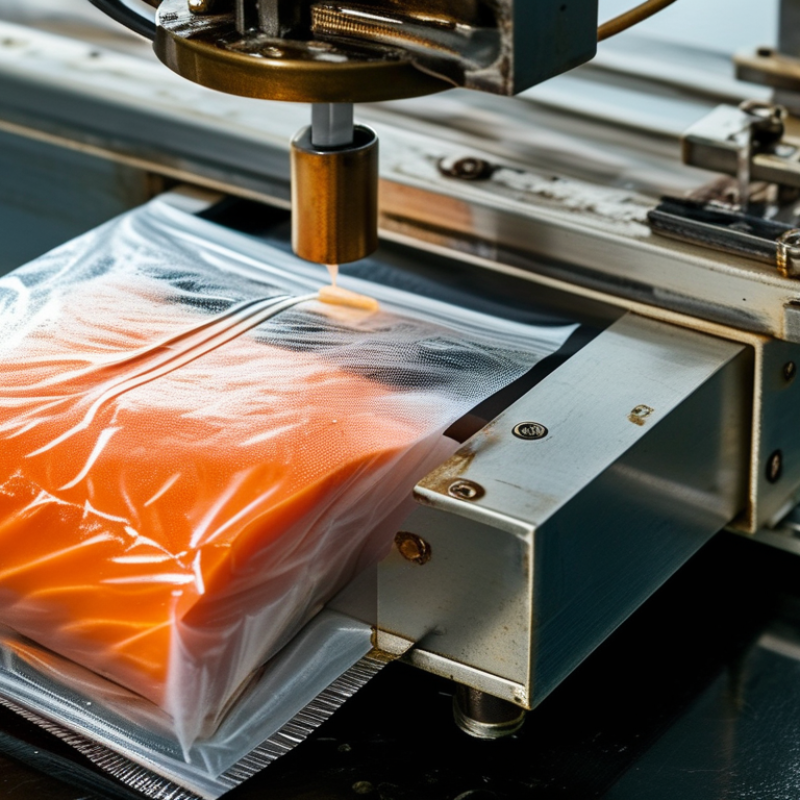
A Food Sealer Machine removes air from specially designed bags and closes them with heat. This simple process can protect food from moisture, odors, freezer burn, and unnecessary waste. Picture a portion of salmon inside a clear textured bag. The machine draws the bag tightly around the food, then creates a narrow, heated seal near its opening.

The process is practical, but it is not magic. Lower oxygen can slow oxidation and reduce exposure to airborne contaminants. It cannot make spoiled food safe again. Clean handling, correct storage temperatures, and suitable packaging still matter. Reliable manufacturers usually explain sealing times, bag compatibility, and maintenance requirements. Those details deserve attention because thick liquids, sharp bones, or damp edges can weaken the seal.

This guide will explore how the machine works, from air extraction to heat sealing. It will also examine external vacuum sealers, chamber models, operating steps, and common mistakes. In everyday use, a clean seal should look even and remain firmly closed when gently tested. Small details matter.

Some claims about extended shelf life can sound overly confident. Actual results vary with the food, temperature, packaging, and handling. That uncertainty should be acknowledged. A Food Sealer Machine is best viewed as a storage aid, not a substitute for food-safety knowledge. Its value becomes clearer when convenience, preservation quality, and responsible kitchen habits work together.
What Is a Food Sealer Machine and How Does It Work?

What Is a Food Sealer Machine?

A food sealer machine is a kitchen appliance that closes food inside specially designed bags or containers. It helps limit contact with air, moisture, dust, and handling. Some models use heat to melt bag layers together. Others remove air before sealing. The result is a tighter package for storage, preparation, or transport.

A vacuum sealer removes much of the air around food. Its pump pulls air from the bag, then a heated strip seals the opening. Meat, cheese, vegetables, and cooked meals can fit this method. A heat sealer works differently. It closes the bag without removing air. This option suits dry snacks, baked goods, and items that do not need vacuum pressure.

The machine is simple, but operation still requires judgment. Wet foods may send liquid toward the pump. Sharp bones can puncture the bag. Leave enough space above the food for a clean seal. Keep the sealing area dry and flat. A weak seal can break during storage.

It is not a magic freshness machine. Sealing cannot replace safe cooking, chilling, or sensible storage times. Food quality also depends on temperature and handling before sealing. In practical use, a clear date label makes the machine more useful. Small details matter.

What Is a Food Sealer Machine and How Does It Work?

A food sealer machine removes much of the air around food and then uses heat to close the bag. The chart below shows the approximate composition of the air that a vacuum sealer works to remove. Reducing oxygen can help slow oxidation and freezer burn, but vacuum-sealed food still requires proper refrigeration or freezing.

Approximate composition of dry air by volume: nitrogen 78.08%, oxygen 20.95%, argon 0.93%, and carbon dioxide 0.04%.

What Components Make Up a Food Sealer Machine?

What Is a Food Sealer Machine and How Does It Work?

A food sealer machine contains several coordinated parts. The heating bar is central. It melts the inner layer of sealing film and creates a closed edge. A pressure lid or sealing arm holds the package firmly during this process. Without steady pressure, the seal may look complete but leak later. That detail is easy to miss.

Many machines also include a vacuum pump, which removes air from the pouch before sealing. The pump connects to a chamber, nozzle, or suction channel, depending on the design. A rubber gasket helps maintain an airtight space. If the gasket is cracked, dusty, or poorly fitted, vacuum performance can fall quickly. The result may be uneven food protection.

The control panel manages temperature, vacuum time, and sealing duration. Some models use sensors to detect pressure or lid position. These controls improve repeatability, but they cannot correct careless loading. Wrinkles near the sealing area remain a common problem. During routine checks, operators should inspect the heating wire, gasket, film path, and cooling surface. Keep them clean. A sealing wire can wear gradually, so visual inspection alone is not always enough. Testing a sample pouch with gentle pressure is useful, although it does not replace proper quality checks. The machine seems simple, yet small component failures can affect freshness, storage life, and user confidence.

How Does the Food Sealing Process Work?

A food sealer machine closes the open edge of a bag by applying controlled heat and pressure. The process usually begins with placing the food inside a heat-safe pouch. The open edge must remain clean and flat. Even a small crumb can create a weak channel for air.

When sealing starts, a heating strip softens the pouch’s inner layers. Pressure then presses those layers together across the opening. The machine must hold them briefly while the plastic cools. This cooling stage matters because a hot seal can separate easily. I usually check the seal by looking for an even, continuous band. A wrinkled edge deserves another inspection.

Some machines remove air before sealing. They draw air from the pouch, then close the opening quickly. Less air can slow oxidation and reduce freezer burn, but it cannot preserve unsafe food. Moisture, oil, and sharp bones may also interfere with sealing. Different pouch materials need different heat settings and sealing times. Too much heat can melt the film. Too little heat leaves invisible gaps. I have found that testing one spare pouch first prevents wasted food, although a test is not perfect. Seal strength can change with temperature, filling level, and machine pressure. For liquid-rich foods, leaving enough empty space near the opening improves contact. A careful operator also wipes the edge before sealing and checks for leaks afterward.

What Is a Food Sealer Machine and How Does It Work? - How Does the Food Sealing Process Work?

Data Dimension Typical Information Why It Matters
Basic Definition A food sealer machine removes air from a specially designed bag or container and closes the opening with a heat-sealed seam. The sealed package helps reduce exposure to air, moisture, odors, and external contaminants.
Main Sealing Methods Common household machines use external suction sealing or chamber vacuum sealing. Some models also offer heat sealing without vacuuming. The machine type affects the suitable packaging, liquid-handling ability, operating speed, and level of air removal.
Step 1: Prepare the Food Food is portioned, cooled when appropriate, and placed inside a compatible vacuum-sealer bag. The bag opening should remain clean and dry. A clean, dry sealing area supports a stronger seal and helps prevent leaks or incomplete closure.
Step 2: Position the Bag The open end of the bag is placed in the machine's vacuum channel or inside the chamber, depending on the design. Correct positioning allows the pump to remove air and gives the sealing bar enough material to form a continuous seam.
Step 3: Air Removal A pump creates lower pressure around the package or inside the chamber. Flexible packaging collapses around the food as air is withdrawn. Removing air reduces oxygen contact, which can help slow oxidation, freezer burn, and some quality changes.
Step 4: Heat Sealing A heated sealing bar softens the compatible plastic layers and presses them together to create an airtight seam. The material then cools and solidifies. The seal, rather than the vacuum alone, keeps air from re-entering the package during storage.
Typical Heat-Seal Duration Many household machines complete the heat-sealing phase in a few seconds, but the exact time depends on bag thickness, material, and machine settings. Excessive heat can damage the bag, while insufficient heat may produce a weak or incomplete seam.
Packaging Compatibility Embossed vacuum bags, rolls, pouches, and compatible reusable containers may be used. Ordinary smooth plastic bags generally do not work with external-suction models. The package must allow air to move toward the pump and must tolerate the selected heat-sealing temperature.
Suitable Food Categories Common uses include meat, fish, cheese, vegetables, fruit, dry goods, baked items, and prepared portions. Delicate foods may require a gentle or pulse setting. Adjusting suction helps protect soft foods from crushing and improves package quality.
Foods Requiring Extra Care Liquids, marinades, soups, and very moist foods can be pulled toward the pump. They may require pre-freezing, a chamber machine, or careful placement below the sealing area. Liquid entering the pump or sealing channel can cause contamination, poor sealing, or equipment damage.
Storage Applications Vacuum-sealed packages can be stored in a refrigerator, freezer, or pantry when the food itself is suitable for that location. Vacuum sealing does not replace refrigeration, freezing, cooking, or other food-safety controls.
Effect on Food Quality Reduced air exposure can help limit oxidation, moisture loss, freezer burn, odor transfer, and surface discoloration. The process mainly preserves quality; it does not make food sterile or permanently prevent spoilage.
Seal Inspection A finished seam should be continuous, flat, and free from wrinkles, trapped food particles, channels, or visible gaps. Inspecting the seam helps identify leaks before the package is placed into storage.
Common Causes of Seal Failure Typical causes include moisture on the bag opening, overfilling, wrinkles, sharp bones, unsuitable bags, or a dirty sealing strip. Removing excess food, cleaning the sealing area, and leaving adequate headspace can improve reliability.
Safety Requirement Perishable foods should be kept cold, and vacuum-sealed food should not remain at room temperature for extended periods. Follow applicable food-safety guidance. Vacuum packaging creates a low-oxygen environment and must be combined with appropriate temperature control.
Key Operating Principle The complete process combines air extraction, controlled heat, pressure, and cooling to create a closed package. Each stage contributes to package integrity: air removal reduces exposure, while the cooled seam prevents air from returning.

Note: Operating times, vacuum strength, bag requirements, and maximum package dimensions vary by machine design and packaging material. Always follow the operating instructions for the specific equipment being used.

What Types of Food Sealer Machines Are Available?

A food sealer machine closes food inside plastic bags, trays, or flexible pouches. It removes air, applies heat, or performs both actions. The seal reduces oxygen exposure, moisture loss, and leakage during storage. However, sealing does not replace refrigeration or safe handling.

Several machine types serve different operating needs.

External suction sealers draw air from a bag before heating its open edge. They suit households and small food businesses, but liquids can enter the pump.

Chamber vacuum sealers place the entire pouch inside a chamber. They handle soups, marinades, and repeated production more reliably.

Heat impulse sealers only use heated jaws, so they seal dry products without removing air.

Continuous band sealers move bags through heated belts, supporting faster packaging lines.

Tray sealers close prepared trays with film, while modified-atmosphere systems replace air with controlled gases. Each method changes shelf life, appearance, and operating cost.

Grand View Research’s 2024 analysis projects the global vacuum packaging market to grow at about 4.7% annually through 2030. The UNEP Food Waste Index 2024 reports 1.05 billion tonnes of food waste in 2022, showing why better storage matters. Yet bigger equipment is not always better. A small producer may lose money through cleaning time, film waste, or unsuitable bags. I have found that seal temperature and dwell time need practical testing, not guesswork. Even a strong-looking seal can fail after freezing.

How Should a Food Sealer Machine Be Used and Maintained?

A food sealer machine removes air from a bag, then applies heat to create a tight seal. This slows oxidation, moisture loss, and freezer burn. It does not sterilize food. Safe handling still matters more than a perfect seal.

Use clean, dry bags designed for heat sealing. Place food inside without blocking the sealing edge. Wipe away grease or liquid before sealing. For soft foods, freeze them briefly first. This prevents liquid from entering the pump. The USDA FSIS recommends keeping refrigerators at 40°F (4°C) or below and freezers at 0°F (-18°C). Follow these limits after sealing. Vacuum packaging cannot replace refrigeration. The FDA Food Code 2022 also advises cooling cooked food from 135°F to 70°F within two hours, then to 41°F within four hours. Seal only after rapid cooling. I still occasionally overfill a bag, and the seal fails later. That small mistake wastes food.

Tips: Check the gasket, sealing strip, and air channel before each use. Remove crumbs with a soft, dry cloth. Never immerse the machine unless its manual allows it. Let the sealing bar cool between repeated cycles. Label every package with the food name and date. Store raw meat below ready-to-eat food. Discard packages with swelling, leaks, unusual odors, or broken seals. The USDA recommends using refrigerated leftovers within three to four days, even when vacuum sealed. That is easy to forget. Reliable maintenance is simple, but skipping one cleaning step can undermine the entire process.