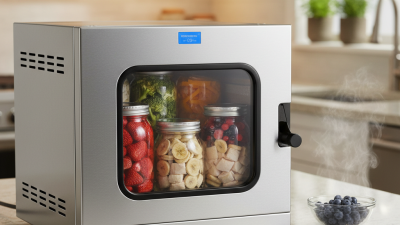
Best Freeze Dryer Tips for Savvy Global Buyers
In recent years, the demand for freeze dryers has surged globally. Market research indicates that the freeze-drying equipment sector is expected to grow at a CAGR of 8.2% from 2022 to 2029. This growth is propelled by a rising need for food preservation and biotechnology applications. When exploring the **Best Freeze Dryer** options, savvy buyers should consider critical factors such as energy efficiency, capacity, and ease of use.
Understanding the intricacies of freeze-drying technology can be daunting. Many users struggle with selecting the right model for their needs. Some freeze dryers may seem appealing due to lower prices, yet they may lack reliability and performance. Identifying a trustworthy manufacturer is essential. Buyers should look for companies with proven track records and positive customer reviews to ensure quality and durability.
Navigating the freeze-drying market can be overwhelming. By considering expert recommendations and user insights, buyers can make informed decisions. Pay attention to the equipment's features, maintenance requirements, and customer support. This approach will lead to a better purchase experience, ensuring your investment is worthwhile in the long run.
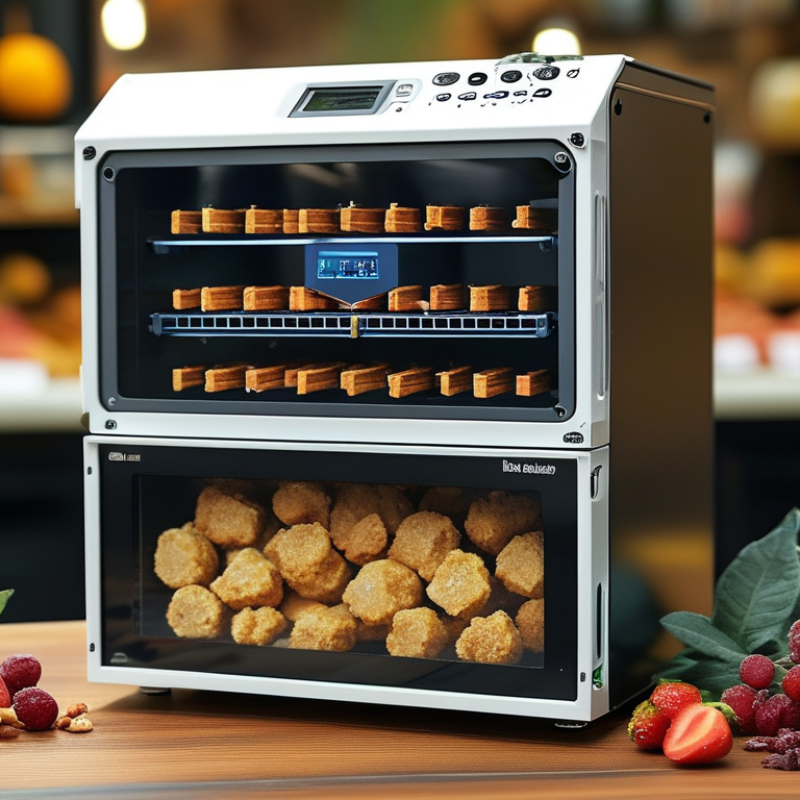
Understanding Freeze Drying: A Comprehensive Overview
Freeze drying is a fascinating process that removes moisture from food while preserving its flavor and nutrients. The method involves freezing the food, followed by a vacuum process that sublimates ice into vapor. This unique technique helps extend the shelf life of food, making it an appealing choice for many buyers.
When considering freeze drying, aim to understand the different types of food suitable for this method. Fruits, vegetables, and even meats can be preserved effectively. However, some foods may not fare well in the freeze-drying process. Creamy or fatty items can separate, affecting texture and taste. Always do your research on what works best.
Investing in a freeze dryer requires understanding the machine's specifications. It is essential to prioritize quality and reliability. Watch out for deals that seem too good to be true; they often compromise durability. Remember, purchasing from reputable sources builds trust and reliability in your investment. Knowledge and careful selection can lead to rewarding results in your freeze-drying journey.
Key Factors to Consider When Buying a Freeze Dryer
When selecting a freeze dryer, several key factors must be assessed carefully. The capacity of the machine is crucial, as it determines how much food can be processed at once.
For instance, a household unit typically ranges from 4 to 10 pounds of fresh food per cycle. Larger units are available for commercial use, capable of handling up to 50 pounds.
Understanding your needs will help you pick the right size for efficient food preservation.
Energy efficiency is another important consideration. A freeze dryer can be an energy-intensive appliance. According to industry reports, an average home freeze dryer consumes around 3-4 kilowatt-hours per 24-hour cycle.
Opting for energy-efficient models can reduce long-term operational costs and minimize environmental impact. Some machines feature advanced insulation technology, leading to potentially lower energy bills over time.
Cost is a critical consideration as well. Prices vary widely, from affordable home models to professional-grade equipment exceeding thousands of dollars.
Assessing the return on investment is essential. Professionals often emphasize evaluating how frequently the machine will be used against its purchase price. While cheaper units may save money upfront, they often compromise features like durability and performance.
Finding a balance between budget and functionality is key for savvy buyers.
Tips for Evaluating Freeze Dryer Quality and Performance
When evaluating freeze dryer quality and performance, certain aspects stand out as crucial. Look for models with efficient moisture removal capabilities. High-quality machines can effectively extract moisture while preserving food nutrients. Check for temperature controls as well; they can significantly impact the final product's quality.
Another vital factor is the overall build quality. A solid, durable construction can make a difference in longevity and efficiency. Pay attention to the materials used. Stainless steel tends to be a good choice as it resists corrosion and ensures hygiene. Additionally, user-friendly interfaces enhance your experience. A clear display and straightforward controls can simplify operations.
Consider energy consumption, too. Some machines utilize more power than others, which could affect your costs over time. Check the energy efficiency rating before making a decision. It is wise to read user reviews for real-life insights on performance and reliability. Not every machine lives up to its claims, and firsthand experiences can help you avoid poor investments.
Best Freeze Dryer Performance Comparison
Best Practices for Operating and Maintaining Your Freeze Dryer
Operating a freeze dryer effectively requires attention to detail and a solid understanding of its mechanics. Regular maintenance is key to ensuring peak performance. According to the Freeze Drying Industry Report, preventative maintenance can extend the lifespan of your unit by up to 40%. Cleaning the condenser and checking seals can prevent air leaks that compromise efficiency.
User experience plays a crucial role in successful freeze drying. Common mistakes include overloading the machine or not monitoring the vacuum pressure closely. The ideal vacuum pressure for freeze drying is generally below 500 millitorr, as noted in research by the Food Dehydration Association. Proper temperature management is also essential. Each batch may require slight adjustments based on humidity and product type.
Taking the time to read the user manual thoroughly can pay dividends. Many users overlook specific settings suited for different food items. Trial and error is part of the learning curve. Experimenting with varying drying times and temperatures can lead to the best results. Understanding these intricacies is vital for any savvy buyer.
Best Freeze Dryer Tips for Savvy Global Buyers
| Tip Category |
Tip Description |
Frequency |
| Pre-Use Preparation |
Ensure all components are clean and dry before use. |
Every Use |
| Vacuum Seal Check |
Test vacuum seals to prevent air leaks during drying. |
Monthly |
| Cooling System Maintenance |
Clean the condenser regularly to ensure efficient operation. |
Every 3 Months |
| Product Loading |
Ensure even spacing and avoid overloading for best results. |
Every Use |
| Deodorizing |
Run a cycle with a small amount of vinegar to keep odors at bay. |
Monthly |
| Storage Tips |
Store freeze-dried products in vacuum-sealed bags for longevity. |
After Each Use |
Common Mistakes to Avoid When Using a Freeze Dryer
When using a freeze dryer, being aware of common mistakes can enhance your experience. Many users overlook the importance of pre-freezing items. Failing to do so can result in uneven drying. For example, fruits should be spread out on trays to freeze uniformly. If the items are not frozen solid, the quality may suffer.
Another frequent error is overloading the machine. Stuffing the dryer with too many items can lead to extended drying times. This can promote spoilage and lower the final product quality. Each layer should have enough space for air circulation. Users may feel tempted to maximize output but sacrifice quality instead.
Monitoring the process is essential. Ignoring the temperature and pressure settings can lead to unsatisfactory results. Some users set it and forget it, only to find their food is not fully dried. Regularly checking the progress can guide necessary adjustments. Remember, patience is key in freeze drying; rushing can lead to costly mistakes.