
Cuddon Freeze Dry Logo

How Does Cross Border Trucking Work in 2026?

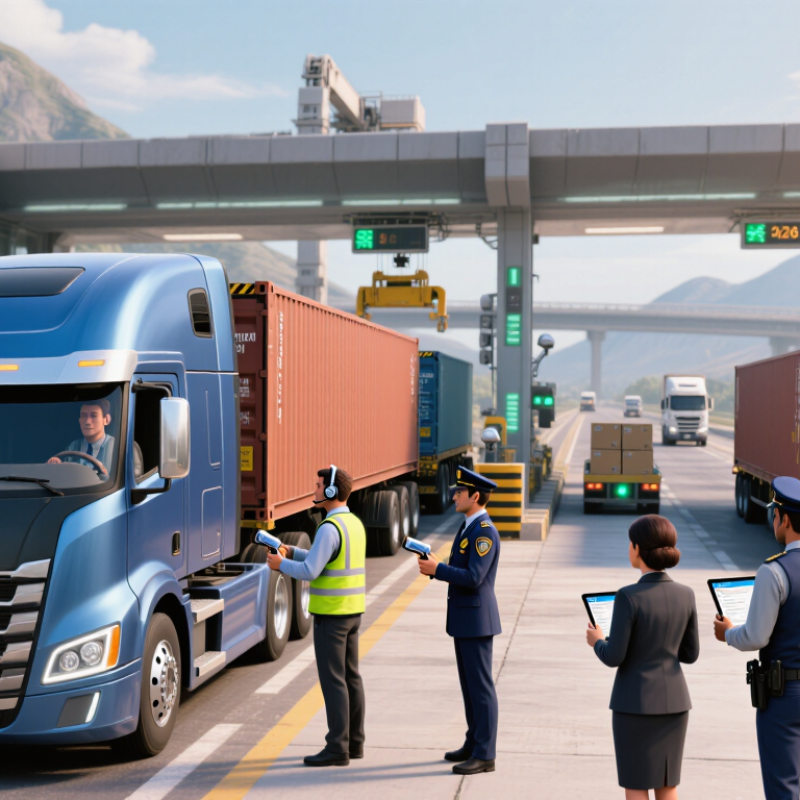
In 2026, Cross Border Trucking is less a single border crossing than a coordinated handoff between carriers, customs brokers, shippers, and government agencies. A typical shipment starts with confirmed cargo details, a route, and the documents required by the countries involved. The truck then travels to an approved crossing, where officials review declarations and may inspect the load. After release, it continues with the same driver or transfers to another carrier, depending on the route and operating arrangement. Small mismatches matter. A weight discrepancy or missing shipment reference can leave a loaded trailer waiting in a queue.

The workload behind those handoffs is real. The International Road Transport Union’s 2024 Global Truck Driver Shortage Report estimated 3.6 million unfilled truck-driver positions across 36 countries. That figure is not limited to cross-border routes, but it highlights the staffing pressure that can affect schedules and capacity. Technology helps carriers share shipment status and prepare records, yet it cannot guarantee a smooth crossing. Local procedures, inspection decisions, weather, and terminal congestion still shape transit times. The tidy diagrams leave this out. In practice, the process can be orderly and still unpredictable. This guide explains the main stages, the documents and partners involved, and the practical questions businesses should ask before booking an international road shipment.
How Does Cross Border Trucking Work in 2026?

2024 U.S.–Canada–Mexico Goods Trade Reached $1.6T (U.S. Census Bureau)

In 2024, U.S. goods trade with Canada and Mexico totaled about $1.6 trillion, according to U.S. Census Bureau trade data. That figure represents millions of shipments moving through busy border corridors, not just a headline. In practice, a truck shipment needs accurate invoices, cargo details, and customs documentation before it reaches an inspection point. A customs broker can help prepare filings, while the carrier coordinates pickup, border crossing, and delivery. Origin records also matter: USMCA tariff treatment depends on whether goods meet the agreement’s rules, not simply on where a truck starts.

Trucks carry much of this trade. The U.S. Bureau of Transportation Statistics reported that trucks moved about $947 billion in U.S.–Canada–Mexico freight in 2023, out of roughly $1.57 trillion across all transport modes. At a crossing, officials may review documents or inspect the load, so missing details can turn a short wait into a missed delivery window. Small delays matter. A practical 2026 plan builds in time for traffic, inspection, and handoffs between carriers. Those handoffs can still feel clumsy; digital paperwork helps, but it does not make every border process predictable.

Plan the Lane: Match Cargo, Border Ports, Carriers, and Customs Brokers

How Does Cross Border Trucking Work in 2026?

Plan the Lane: Match Cargo, Border Ports, Carriers, and Customs Brokers

Cross-border trucking works best when the lane fits the cargo, not just the map. Check weight, dimensions, temperature needs, and loading equipment before selecting a carrier. A refrigerated load, for example, needs compatible equipment and a realistic border wait plan. Then compare border ports by route access, operating hours, and expected congestion. The shortest route is not always the most dependable.

Confirm responsibilities before the truck is dispatched. The carrier handles transport and shares shipment details; the customs broker prepares and coordinates clearance paperwork. Make sure shipment descriptions, quantities, and reference numbers match across documents. Ask who will respond if a document needs correction or a truck misses its planned crossing window. Small mismatch. Big delay. I would not assume a familiar lane will run smoothly every time; schedules and border conditions can change.

Tips: Share documents early, verify current port procedures, and keep a backup crossing option. Give the driver clear contact details for dispatch and the broker. Leave time for checks, but review the buffer after each trip. A plan can be sensible and still need adjustment.

Prepare Export Data: Classify Goods and Check Required Trade Documents

Before a cross-border truck is dispatched, the export data should tell a clear, consistent story. Classify each product using the appropriate tariff code, and describe its material, purpose, and condition accurately. A broad label such as “parts” may leave customs officials needing more detail. Details matter.

Record the country of origin, quantity, unit value, currency, and shipment weight. Check that these figures match across the commercial invoice, packing list, and export declaration. Confirm the buyer, seller, and delivery terms are also correct. Small errors travel. A carton count that differs by one can delay review and prompt questions at the border.

Document requirements depend on the goods, route, and destination. Some shipments may need an origin certificate, an export permit, or other supporting paperwork. Verify current requirements with the relevant customs authority or a qualified trade professional before loading. Keep digital copies accessible to the shipper and carrier, while ensuring original documents accompany the load when required. Teams sometimes reuse old templates; it saves time, but a previous shipment is not a reliable checklist for a new one.

Export Data Preparation: HS Code Classification Levels

The Harmonized System (HS) uses a common six-digit structure: the first two digits identify a chapter, the first four identify a heading, and all six identify a subheading. Before shipping, classify the goods carefully and check the destination country’s tariff schedule, since national tariff codes may add digits beyond the international six-digit level. Export documents and data requirements vary by route and goods.

File the Manifest: CBP Requires 1-Hour Notice (FAST: 30 Minutes)

How Does Cross Border Trucking Work in 2026?

Cross-border trucking begins well before a truck reaches the inspection booth. For U.S.-bound freight, the electronic manifest generally must reach CBP at least one hour before arrival. Eligible FAST shipments have a shorter notice window: 30 minutes. Timing matters. The carrier or its authorized filer sends shipment, vehicle, and trip details through the required electronic system. A driver may have paperwork ready, but that does not replace a timely filing. Even a small mismatch in a trailer number or shipment reference can slow the crossing.

A practical routine is to file early, then check that the submitted details match the load and the truck actually departing. Keep confirmation records accessible, and make sure dispatch and the driver know which crossing and arrival estimate the filing uses. If plans change, update the information promptly rather than assuming the original submission still fits. The timeline can feel less tidy on a busy day; queues shift, and a last-minute equipment swap can complicate the record. Check current CBP instructions and lane-specific procedures before dispatch, since eligibility and operational details can differ. A few minutes spent verifying the manifest may prevent a longer wait at the border.

Clear Customs and Complete Delivery: Track Duties, Inspections, and Handoffs

Cross-border trucking works best when customs preparation starts before the truck reaches the border. The shipper and importer should confirm who pays duties and taxes, and who submits each document. A commercial invoice should match the shipment’s description, value, quantity, and country of origin. Small mismatches matter. Even a missing unit of measurement can prompt questions or delay release.

Duties depend on factors such as product classification, declared value, and origin. These details should be checked against the rules for the specific route, since requirements can change. A customs broker can help prepare entries, but the parties still need to provide accurate information. Keep proof of payment and customs release with the shipment record. Not every delay is predictable; inspection selection may happen even when paperwork appears complete.

Tracking should show more than the truck’s location. Record key events: documents submitted, duties settled, inspection started or cleared, and cargo released to continue. At each handoff, confirm the driver, trailer, seal number, and next destination. A timestamped photo of a seal can help resolve a later discrepancy. Plans still slip. Build in time for border queues, and make one person responsible for sharing status updates with everyone involved.

How Does Cross Border Trucking Work in 2026? — Clear Customs and Complete Delivery: Track Duties, Inspections, and Handoffs

Stage What Happens Typical Information or Documents Duties, Inspections, and Handoffs What to Track
1. Shipment planning The shipper and carrier confirm the route, border crossing, cargo details, delivery terms, and any permits needed for the goods or vehicle. Pickup and delivery addresses; cargo description; package count; weight; dimensions; country of origin; applicable transport instructions. Restricted, regulated, or temperature-controlled goods may require additional permits, certificates, or handling arrangements. Planned route, pickup window, border crossing, required permits, and the parties responsible for export and import clearance.
2. Document preparation The shipper, exporter, importer, or customs representative prepares documents for transport and customs declarations. Commercial invoice; packing list; transport document, such as a consignment note; export or import declarations where required; product-specific certificates when applicable. Descriptions, quantities, values, origin, and tariff classification should be consistent across documents. Requirements depend on the countries and goods involved. Document completeness, submission status, declaration references, and any requests for corrections.
3. Export customs clearance The export declaration is submitted to the relevant customs authority before the shipment leaves the exporting country, when required. Export declaration data; invoice; packing information; permits or supporting certificates, if required. Customs may accept the declaration, request more information, or select the shipment for examination. Export procedures differ by jurisdiction. Declaration status, release confirmation, examination instructions, and permission to proceed toward the border.
4. Transit to the border The truck moves toward the designated crossing. The carrier or logistics coordinator shares arrival estimates and updates shipment milestones. Transport document; shipment reference; vehicle and trailer details; customs or transit references, where applicable. Border congestion, operating hours, weather, and document issues can affect arrival time. A transit procedure may apply when goods move under customs control. Location, estimated border arrival, queue or appointment information where available, and changes to the route.
5. Border presentation and inspection The driver or carrier presents the vehicle and shipment at the required customs or inspection facility. Shipment and vehicle references; customs declarations; permits; certificates; driver and cargo details as required locally. Authorities may conduct a document review, scan, physical inspection, or other checks. Selection and wait time vary; inspection is not guaranteed for every load. Check-in time, inspection status, any hold or document request, release status, and revised delivery estimate.
6. Import declaration and charges The importer or authorized customs representative submits the import declaration and provides the information needed to assess the goods. Commercial invoice; tariff classification; customs value; country of origin; import declaration; supporting documents required for the product. Import duty, taxes, and fees depend on the destination’s rules, product classification, customs value, origin, and any applicable trade measures. The responsible payer depends on the sales and delivery terms. Declaration acceptance, assessed charges, payment or deferment status, and customs release confirmation.
7. Release and carrier handoff After required customs and inspection steps are complete, the shipment is released for onward movement. A different carrier or local delivery provider may take over. Release messages or references; handoff instructions; updated transport details; proof of transfer where used. Do not treat a customs release as proof of delivery. A carrier handoff should identify who has custody and who is responsible for the next leg. Release timestamp, receiving carrier, trailer or load reference, custody transfer, and next-leg departure estimate.
8. Final delivery and closeout The carrier delivers the shipment to the consignee and records completion, including exceptions such as shortages or visible damage. Delivery appointment details; delivery receipt or proof of delivery; exception or damage report, if applicable. The consignee may need to verify quantity and condition at receipt. Any discrepancy should be recorded promptly under the applicable contract and claims process. Arrival time, delivery status, recipient confirmation, proof of delivery, and unresolved exceptions.

Note: Customs procedures, documents, fees, inspection practices, and release times vary by country, product, route, and shipment. Confirm current requirements with the relevant customs authorities and qualified trade professionals before shipping.