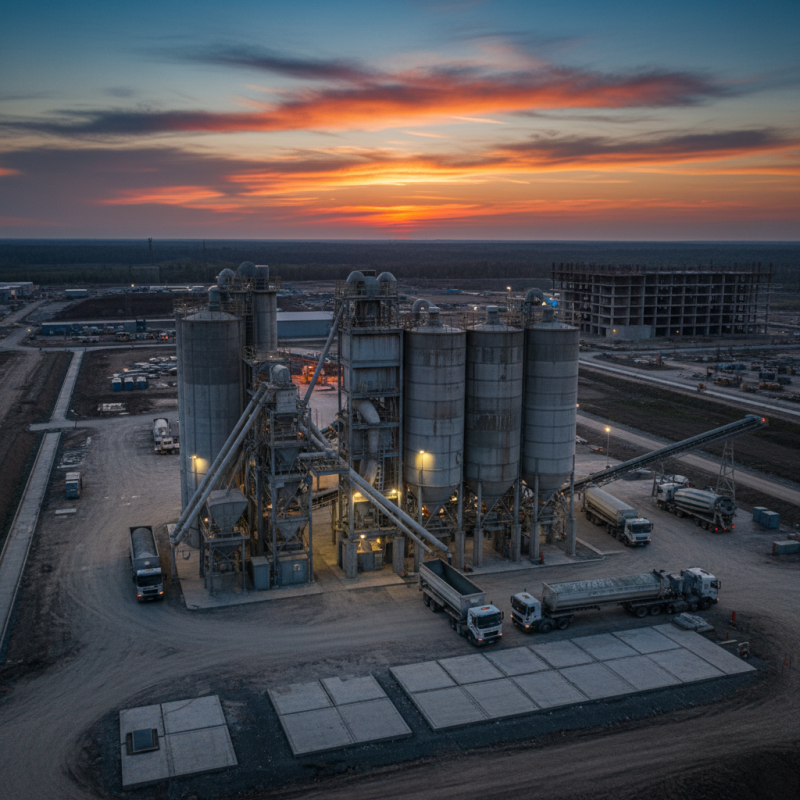
2026 How to Choose the Right Concrete Batch Plant?
Choosing the right Concrete Batch plant is crucial for your projects. A concrete batch plant mixes components to create concrete. However, selecting one that meets your needs can be challenging.
Consider various factors before making a decision. Think about the scale of your operations. A smaller plant may be insufficient for large demands. Likewise, a significant investment in a massive setup may lead to wasted resources if not utilized properly.
Quality matters. Research the specifications and capabilities of each model. Seek recommendations from experts in the field. Their experiences can provide valuable insights. Ultimately, the right concrete batch plant can enhance efficiency and ensure consistent results in your projects. Take the time to reflect on your choices to ensure a successful future.
Understanding Different Types of Concrete Batch Plants and Their Uses
Choosing the right concrete batch plant requires an understanding of its various types. There are central mix plants, which produce concrete in batches and are ideal for projects needing high-quality concrete. These plants mix all ingredients thoroughly before delivery, ensuring consistency. However, they may be more costly and require larger space.
Another type is the ready mix plant, which focuses on delivering mixed concrete to a job site. This option is efficient for large-scale projects with fluctuating demand. However, time is essential as concrete must be used rapidly after mixing. It’s important to assess the site conditions and delivery logistics.
Finally, there are portable batch plants. These offer flexibility, especially for small and medium projects. Their mobility allows for easy relocation; however, they may not meet the volume demands of bigger constructions. Each type has its strengths and weaknesses. Understanding these nuances is crucial to making an informed choice. Mistakes in selection can lead to project delays or increased costs.
Key Factors to Consider When Selecting a Concrete Batch Plant
When selecting a concrete batch plant, several key factors come into play. The type of plant—whether stationary, mobile, or portable—affects flexibility and production capacity. For instance, stationary plants often offer higher output, vital for large projects. However, mobile plants provide transportability, ideal for smaller jobs or varied locations. According to a recent industry report, about 70% of new projects are leaning towards modular designs, showcasing a growing preference for adaptability.
Another crucial aspect is the plant's production capacity. Assessing the expected demand is vital when choosing. A plant with a capacity of 100 cubic yards per hour might suffice for local projects, but larger endeavors require more robust options. Notably, production efficiency can directly impact project timelines. Recent studies reveal that modern concrete batch plants can achieve up to 20% greater efficiency than their older counterparts.
Price is also an important consideration. The initial capital outlay is only the beginning. Maintenance costs and operational efficiency will affect the total cost of ownership. For example, efficient equipment can lead to savings on energy and labor over time. Reflecting on the longer-term implications of these choices is integral. Investing in the right technology now may mitigate future risks, allowing for smoother project execution later on.
Evaluating Production Capacity and Efficiency Metrics in Batch Plants
Evaluating production capacity in concrete batch plants is crucial. A concrete batch plant's efficiency can significantly impact project timelines and costs. According to a recent industry report, plants with higher production rates often achieve up to 20% more output than less efficient models. Factors influencing production capacity include the type of materials used and the plant's operational design.
Metrics such as cycle time and mixing time are essential. A typical batch plant might have a cycle time ranging from 30 to 60 seconds. Longer cycles can lead to bottlenecks, especially in high-demand situations. The mixing efficiency directly correlates with the quality of the final product. Not all plants perform equally under varying conditions. Some plants may struggle with material homogeneity, which can impact batch consistency.
It’s important to analyze historical performance data of the batch plant. Many operators overlook inefficient batch sizes, which can lead to waste. Regular audits can identify these inefficiencies. Real-time monitoring technologies provide valuable insights but are often underutilized. In an industry where margins can be thin, small adjustments in these areas can lead to significant gains.
Production Capacity Comparison of Concrete Batch Plants
Assessing Cost-Effectiveness and Budget Constraints for Batch Plant Choices
Choosing the right concrete batch plant requires a careful assessment of cost-effectiveness and budget constraints. According to industry reports, nearly 70% of project managers cite budget-related decisions as a primary concern. This statistic underscores the importance of developing a robust financial strategy before selecting a batch plant.
Understanding the total cost of ownership is vital. This includes the initial purchase price, ongoing operational expenses, and potential maintenance costs. Data from the Concrete Plant Manufacturers Bureau indicates that low-quality equipment can lead to a staggering 30% increase in operational costs over ten years. Therefore, investing in reliable technology is essential, despite the higher upfront costs. Companies must also factor in the impact of fluctuating material prices and labor rates.
Moreover, a flexible budgetcan accommodate unexpected expenses. A Concrete Plant that meets the specific needs of a project can save on waste and labor downtime. Recent studies reveal that choosing the right technology can enhance production efficiency by up to25%. Reflecting on past projects, decisions driven solely by lower costs often resulted in higher long-term expenses. Balancing immediate budget constraints with long-term efficiency is crucial for sustainable growth in the concrete industry.
Importance of Compliance with Local Regulations and Industry Standards
Choosing the right concrete batch plant goes beyond size and capacity. It requires careful consideration of compliance with local regulations and industry standards. Understanding these frameworks is crucial for legal operations. This knowledge ensures that your plant adheres to environmental regulations, safety standards, and quality controls.
Local regulations vary significantly. They may dictate emissions levels, noise restrictions, and chemical handling. It's easy to overlook these details during the selection process. Even minor infractions can lead to fines or shutdowns. Industry standards often provide the best practices for production processes. Familiarizing yourself with these guidelines can enhance efficiency and safety.
Several challenges may arise. You might discover discrepancies between local laws and industry standards. This confusion can lead to poor decisions. Regularly consulting with experts can mitigate risks and clarify complexities. Staying informed about regulatory changes is essential. It can also improve your plant’s reputation in the long run. Investing time in understanding these regulations shows commitment to responsible practices.