How to Source Potassium Nitrate Saltpetre Legally in 2026?
Sourcing Potassium Nitrate Saltpetre legally in 2026 requires more than finding a low price online. Buyers should verify the intended agricultural, water-treatment, or approved industrial use before requesting quotations. Product identity matters. Commercial potassium nitrate may appear as crystalline fertilizer, technical-grade material, or blended nutrient products.
The International Fertilizer Association’s Fertilizer Outlook 2024–2028 identifies continued demand for efficient potassium and nitrogen nutrition. The U.S. Geological Survey’s Mineral Commodity Summaries 2025 also highlights potash as a strategically important agricultural input. These reports support a practical point: supply chains remain global, but compliance duties remain local. Import controls, chemical registration, transport rules, and customer-screening requirements can differ sharply between countries.
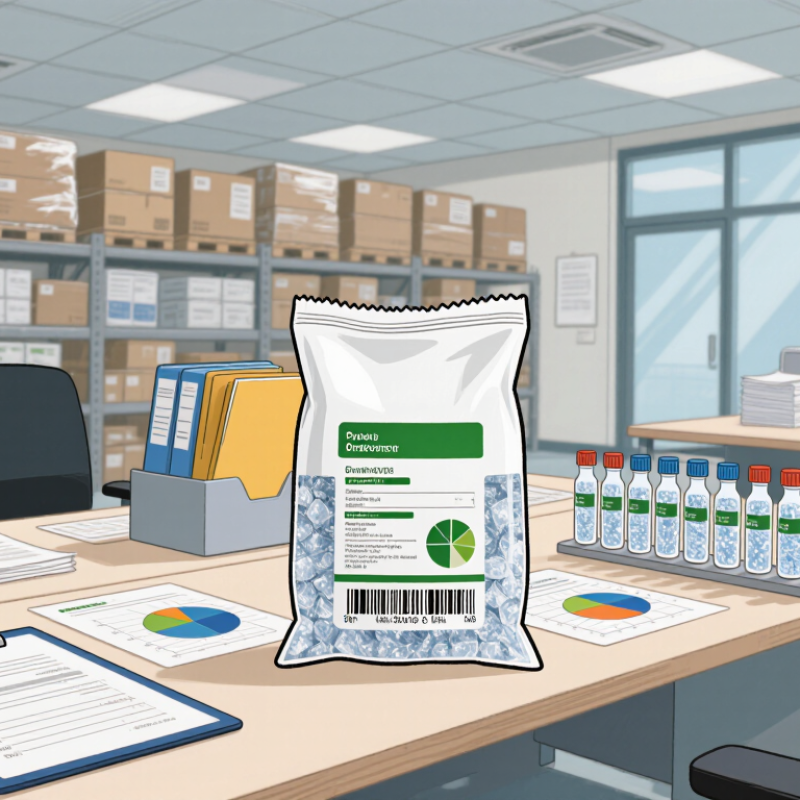
Use established manufacturers, licensed distributors, or recognized agricultural cooperatives. Request a current safety data sheet, certificate of analysis, product specification, lot number, and traceable invoice. Check that the package is sealed, labeled under the applicable GHS system, and consistent with the stated grade. A physical warehouse address helps. So does a verifiable company registration.
Do not rely on marketplace photos or vague purity claims. That approach fails too often. A responsible buyer should confirm customs classification with a qualified broker and review national authority guidance before ordering. In the European Union, relevant obligations may include REACH, CLP, and fertilizer-product requirements. In the United States, federal, state, and transport rules may also apply.
This guide focuses on lawful procurement and documentation. It does not replace professional legal advice. Requirements can change during 2026, and even experienced buyers should recheck them. A careful paper trail protects people, farms, suppliers, and the wider supply chain.
Define Potassium Nitrate: CAS 7757-79-1, Formula KNO₃, MW 101.10
How to Source Potassium Nitrate Saltpetre Legally in 2026?
Define Potassium Nitrate: CAS 7757-79-1, Formula KNO₃, MW 101.10
Potassium nitrate, also called saltpetre, is an inorganic nitrate salt with the formula KNO₃. Its CAS number is 7757-79-1, and its molecular weight is 101.10 g/mol. It commonly appears as white, crystalline granules that dissolve in water. The material supports agricultural, laboratory, and industrial applications when handled under approved conditions. It is also an oxidizer, so storage and transport require careful control.
Legal sourcing begins with a documented purpose and a verified supplier. Request a current Safety Data Sheet, certificate of analysis, purity information, and packaging details. Check whether your country requires registration, permits, quantity limits, or end-use declarations. In 2026, requirements may differ between regions and can change without much notice. Confirm the rules with customs authorities, workplace safety agencies, or a qualified compliance professional. Avoid informal marketplaces and sellers who cannot provide traceable documentation.
Tips: Compare the CAS number, formula, grade, and lot details before ordering. Store the product away from heat, fuels, acids, and combustible materials. Use clean, dry tools and clearly labeled containers. A common mistake is treating technical-grade material like a harmless household salt. It is not. Keep purchase records and review the SDS before every new application. My own practical reflection is simple: a low price can hide weak testing, poor packaging, or compliance problems.
How to Source Potassium Nitrate Saltpetre Legally in 2026? - Define Potassium Nitrate: CAS 7757-79-1, Formula KNO₃, MW 101.10
| Data Dimension | Verified Information | Legal-Sourcing Relevance |
|---|---|---|
| Chemical name | Potassium nitrate | Use the precise chemical name when checking regulations, permits, customs records, and safety documentation. |
| Common historical name | Saltpetre, saltpeter, or nitrate of potash | Historical and alternative names may appear in regulations or product records; confirm that all names refer to CAS 7757-79-1. |
| CAS Registry Number | 7757-79-1 | The CAS number is a reliable identifier for compliance checks and helps prevent substitution with another nitrate compound. |
| Chemical formula | KNO₃ | The formula identifies one potassium ion and one nitrate ion per formula unit. |
| Molar mass | 101.10 g/mol | Useful for technical specifications, laboratory calculations, and checking the identity of the material. |
| Substance type | Inorganic nitrate salt; oxidizing solid | Handle it as an oxidizing substance and keep it away from combustible materials, reducing agents, heat, and contamination. |
| Typical appearance | White crystalline solid or granules | Appearance alone does not confirm identity or purity; request a current certificate of analysis and safety data sheet. |
| Water solubility | Soluble in water; solubility increases substantially with temperature | Store dry and protect from moisture. Avoid using solubility as the only quality or identity test. |
| Primary legitimate uses | Fertilizer, laboratory reagent, food-processing applications where legally permitted, and industrial processes | The permitted use, grade, labeling, and documentation depend on the destination country and applicable sector rules. |
| Recommended purchasing channel | A legally registered chemical, agricultural, laboratory, or industrial distributor | Use a supplier able to verify customer identity, intended use, quantity, grade, shipping method, and applicable regulatory requirements. |
| Documents to request | Safety Data Sheet, Certificate of Analysis, specification sheet, invoice, and transport information | Documents should show the substance name, CAS number, grade, purity or specification, batch reference, hazard information, and supplier details. |
| Regulatory screening | Check national, state, provincial, and local controls before ordering | Controls may cover sale, possession, storage, import, export, end use, transaction records, quantity thresholds, and reporting. |
| Agricultural-grade considerations | May be regulated as a fertilizer or agricultural input | Confirm registration, labeling, nutrient declarations, permitted application, and any restrictions that apply to the intended crop or region. |
| Laboratory-grade considerations | Purity and impurity limits should match the analytical method or procedure | Verify the stated grade, assay, trace-metal limits, moisture limits, and lot-specific analytical results. |
| Storage guidance | Cool, dry, well-ventilated, secure area in compatible packaging | Separate from fuels, organic materials, acids where incompatible, reducing agents, and other reactive substances; follow the SDS. |
| Transport compliance | Transport classification and restrictions depend on jurisdiction, formulation, quantity, and packaging | Use a carrier experienced with regulated chemicals and confirm the current transport classification before shipment. |
| Final compliance check | Verify requirements with the relevant authority before purchase or import | Rules can change during 2026 and differ by location. Legal sourcing requires current, jurisdiction-specific confirmation rather than relying only on a general product listing. |
Important: This table is general informational guidance. Potassium nitrate is an oxidizing substance and may be subject to additional controls. Always follow the current Safety Data Sheet and applicable local laws before purchasing, storing, transporting, or using it.