What is PVC Tarpaulin and its Uses in Everyday Life?
In today's world, PVC Tarpaulin has become a common material in various industries. According to Dr. Mark Thompson, a leading expert in the field, "PVC Tarpaulin is versatile and durable, making it ideal for many applications." This material is known for its waterproof and UV-resistant properties. As such, it is extensively used in outdoor gear, tents, and covers.
The practical uses of PVC Tarpaulin extend into everyday life as well. From construction sites shielding equipment to farmers protecting their harvests, its applications are vast. People may overlook its importance. However, its strength and resilience make it an invaluable asset.
Despite its benefits, some challenges exist. For example, improper disposal can lead to environmental concerns. The manufacturing process also raises questions about sustainability. Thus, as we explore PVC Tarpaulin, it is crucial to weigh both its advantages and drawbacks. Understanding these aspects helps us appreciate the material beyond its surface-level uses.
What is PVC Tarpaulin?
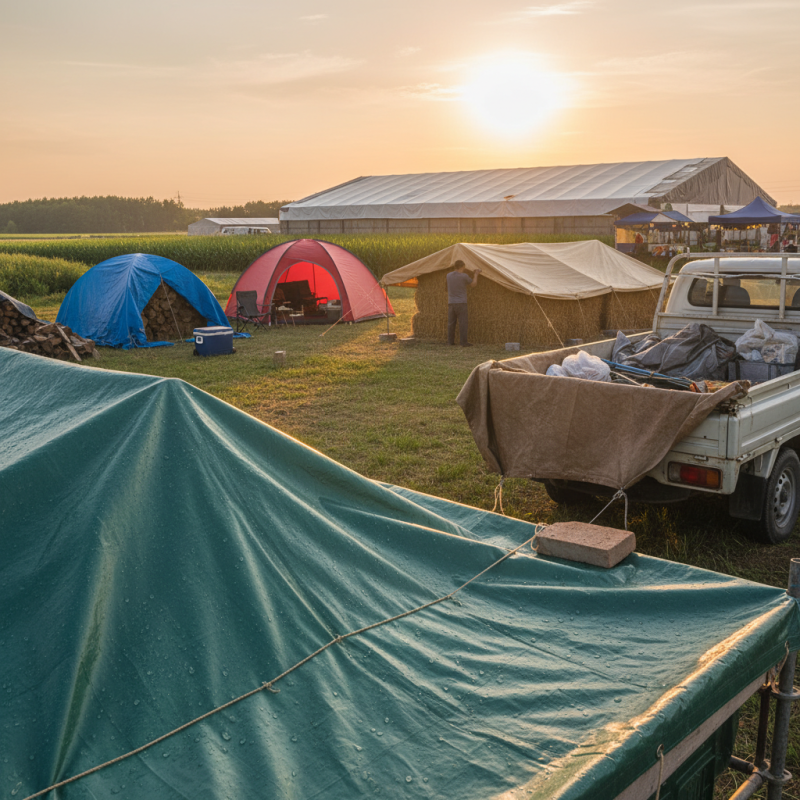
PVC tarpaulin is a versatile material made of polyvinyl chloride. It offers waterproof properties, durability, and resistance to harmful UV rays. This makes it a popular choice for various applications. From outdoor canopies to truck covers, PVC tarpaulin is used in many everyday situations. The fabric is thick and can withstand harsh weather conditions. This reliability appeals to many users.
Tips for choosing PVC tarpaulin: Look for a good thickness in the material. A thickness of at least 0.5mm provides better durability. Check for UV resistance ratings, as this will affect longevity. Not all tarpaulins are the same, so research before purchasing.
Additionally, PVC tarpaulin is easy to clean and maintain. A simple wipe down can remove dirt and stains. However, it’s essential to store it correctly. If left in damp conditions, mold can develop. When using it for camping, always keep it dry. This will extend the material's life and usefulness. Consider these factors to maximize your experience with PVC tarpaulin.
Composition and Properties of PVC Tarpaulin
PVC tarpaulin is a versatile material made from polyvinyl chloride. It is known for its durability and strength. This synthetic fabric is laminated on both sides to provide protection against water and UV rays. The composition includes a layer of PVC with a polyester base, enhancing its tensile strength. This unique blend makes PVC tarpaulin resistant to abrasion and tearing.
In daily life, PVC tarpaulin serves many purposes. It can be found in outdoor canopies, truck covers, and protective tarps. Many people use it for camping or as a picnic blanket. Its waterproof nature makes it ideal for outdoor activities. However, environmental concerns arise because PVC is not biodegradable. The production process can also release harmful substances.
Despite its wide usage, PVC tarpaulin can have issues. It can crack in extreme temperatures, losing flexibility. The color may fade over time with exposure to sunlight. Maintenance is often overlooked, which can lead to increased wear. Users might find that regular cleaning extends the life of the tarp. Yet, many forget this crucial step, leading to premature degradation.
Common Applications of PVC Tarpaulin in Daily Life
PVC tarpaulin is a versatile material made from polyvinyl chloride. Its durability makes it popular across various industries. One major application is in outdoor advertising. Companies use PVC tarps for banners due to their resistance to tearing and fading. Studies show that nearly 75% of outdoor ads utilize PVC tarpaulin. This statistic highlights its effectiveness in grabbing attention.
In construction, PVC tarps serve as protective coverings. They shield materials from harsh weather. According to industry reports, approximately 60% of construction sites employ PVC tarpaulins for safety and preservation. They also find use in temporary shelters during emergencies. While useful, reliance on this material raises concerns about environmental impact. Its production and disposal can have negative consequences.
Another common use is in transportation. PVC tarps cover trucks and cargo, ensuring safety during transit. Up to 80% of the logistics sector uses these tarps for this purpose. This demonstrates their necessity but also suggests over-dependence on synthetic materials. Industries must find a balance between function and sustainability, questioning how to address these environmental issues.
Benefits of Using PVC Tarpaulin Over Other Materials
PVC tarpaulin is a versatile material used in various everyday applications. It is made from polyvinyl chloride, which gives it durability and weather resistance. This makes it ideal for outdoor uses. For instance, it serves as a reliable covering for boats, trailers, and construction sites.
One key advantage of PVC tarpaulin is its superior waterproof properties. Unlike canvas or other fabrics, PVC remains impervious to rain and moisture. This feature protects the items underneath, ensuring they stay dry and safe. Additionally, PVC tarpaulin is resistant to UV rays, extending its lifespan significantly.
Another benefit is its lightweight nature. Users can easily transport and handle it without hassle. PVC tarpaulin also offers excellent tear resistance. This is crucial in environments where wear and tear are commonplace. However, it's worth noting that its plastic composition may not be the most eco-friendly option. Some consumers may want to reflect on the environmental impact of using PVC materials.
What is PVC Tarpaulin and its Uses in Everyday Life?
| Application Area | Benefits of PVC Tarpaulin | Comparison with Other Materials |
| Outdoor advertising | Durable and weather-resistant | Stronger and more durable than polyethylene |
| Camping gear | Lightweight and easy to transport | More flexible than canvas |
| Tarps for construction sites | Waterproof and UV-resistant | Longer lifespan compared to nylon |
| Vehicle covers | Resistant to mold and mildew | Better protection than simple fabric covers |
| Sports equipment | High tensile strength | Retains shape better than cotton |
Maintenance and Care Tips for PVC Tarpaulin Products
PVC tarpaulin is known for its durability and versatility. To keep your PVC products in good shape, regular maintenance is essential. First, clean the surface regularly with a mild soap solution. Avoid harsh chemicals that can damage the material. Use a soft cloth or sponge to gently scrub away dirt.
Storing PVC tarpaulin correctly can prolong its lifespan. Make sure it's dry before folding or rolling. Store it in a cool, dry place. Avoid direct sunlight when possible. Many users neglect this step and end up with faded or brittle tarps.
Always check for signs of wear and tear after use. Look for small tears or cracks that could worsen over time. Repair minor damages promptly with patch kits designed for PVC materials. Ignoring these issues can lead to more significant problems later. Maintenance is crucial, and it requires attention to detail regularly.