Top Uses of Stainless Steel Wire Mesh for Your Projects?
Stainless Steel Wire Mesh has emerged as an essential material in various industries. Its strength, durability, and resistance to corrosion make it incredibly versatile. Many professionals rely on this material for both aesthetic and functional purposes.
In construction, stainless steel wire mesh is often used for reinforcing concrete and creating intricate designs. Its ability to withstand harsh environments is notable. In filtration applications, it provides a reliable barrier without compromising flow. This wire mesh plays a crucial role in agriculture, helping to protect crops while allowing sunlight and moisture to pass through.
However, not all uses of stainless steel wire mesh are perfect. Some projects face challenges in selecting the right gauge or weave. These choices can affect the overall strength and effectiveness. Therefore, it's essential to assess specific project needs carefully. Understanding the nuances of stainless steel wire mesh will lead to better results in every application.
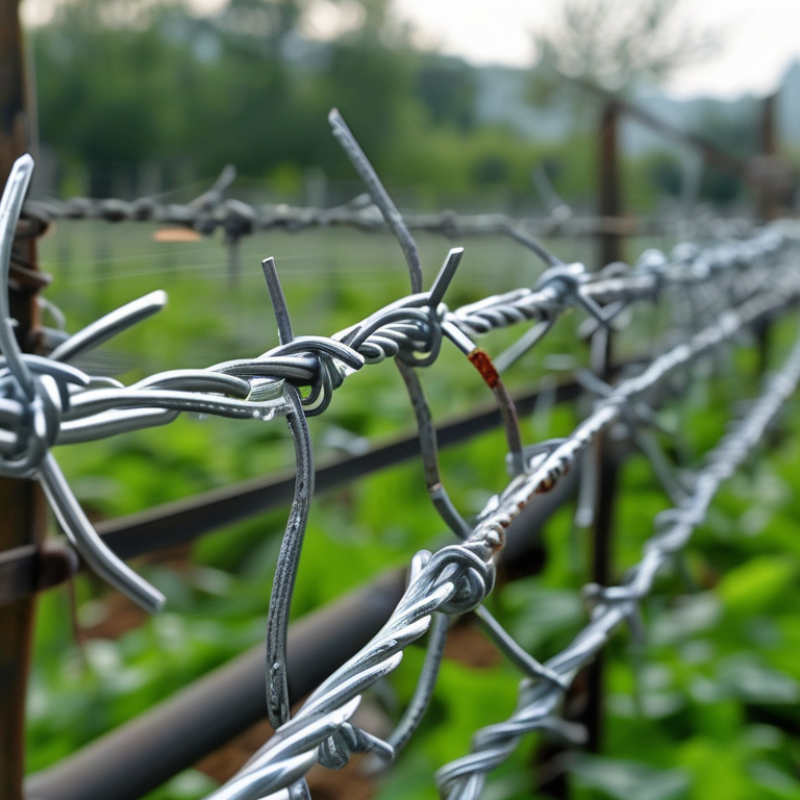
Types of Stainless Steel Wire Mesh Used in Various Industries
Stainless steel wire mesh is favored in various industries for its durability and versatility. Different types are tailored to specific needs. For instance, architectural mesh is often used in building facades. Its open structure allows natural light while providing privacy. In the food industry, mesh screens ensure hygiene and safety by preventing contamination.
In agriculture, stainless steel wire mesh plays a critical role. It is used for fencing and crop protection. Reports indicate that about 30% of agricultural losses are due to pests and wildlife. Mesh barriers can mitigate such risks effectively.
In the industrial sector, it aids in filtration processes. The chemical industry relies on stainless steel mesh for separating solids from liquids.
Safety is crucial in applications like construction as well. The right mesh can support safety scaffolding during projects. Steel mesh maintains structural integrity under load. Yet, challenges persist; not all designs effectively balance weight and flexibility. Innovations continue to address these shortcomings, improving mesh performance across industries.
Benefits of Using Stainless Steel Wire Mesh in Projects
Stainless steel wire mesh is a versatile material used across various projects. One of its key benefits is its resistance to corrosion. With a chromium content of at least 10.5%, it forms a protective layer. This layer allows it to withstand harsh environments, making it ideal for outdoor applications. According to industry reports, more than 70% of professionals prefer stainless steel for durability.
In construction, stainless steel mesh enhances safety and security. It can be utilized in fencing, reinforcing concrete, and even as screens for windows. A study showed that around 30% of construction firms reported increased safety measures when using stainless steel mesh. This not only offers physical protection but also adds aesthetic value to structures.
Another important factor is its maintenance. The mesh is easy to clean and doesn’t require special treatments. This makes it a cost-effective option over time. Some projects may reflect wear, but the longevity of stainless steel often offsets initial expenses. Reports indicate that using stainless steel can extend a project’s lifespan by over 50%, proving its worth in various applications.
Common Applications of Stainless Steel Wire Mesh in Construction
Stainless steel wire mesh finds extensive use in the construction industry due to its durability and versatility. It can serve as a reinforcement material for concrete structures, enhancing their strength. The mesh prevents cracking and provides stability. It is especially valuable in areas exposed to environmental stressors. The corrosion-resistant nature of stainless steel ensures longevity, reducing the need for frequent repairs.
Another application is in protective barriers. Builders use stainless steel wire mesh to create safety enclosures around construction sites. These barriers protect workers and pedestrians from potential hazards. Additionally, they can serve as animal control in agricultural settings. The mesh keeps livestock contained and safe from outside predators.
Stainless steel wire mesh also plays a role in architectural designs. Its flexibility allows for creative applications, such as decorative screens and facades. These features not only look good but also serve functional purposes. However, using stainless steel mesh also requires careful consideration of the project's specific needs. The wrong mesh could lead to structural inefficiencies. Every design has unique requirements, and selecting the proper material can be complex.
Top Uses of Stainless Steel Wire Mesh for Your Projects
| Application | Industry | Benefits |
| Security Fencing | Construction | Durable and corrosion resistant |
| Reinforcement Mesh | Civil Engineering | High tensile strength |
| Filter Screens | Manufacturing | Effective filtration and longevity |
| Architectural Features | Architecture | Aesthetic appeal and functionality |
| Cages and Barriers | Agriculture | Animal protection and control |
Innovative Uses of Stainless Steel Wire Mesh in Home Design
Stainless steel wire mesh has become a vital element in modern home design. Its versatility allows for innovative applications in various styles of architecture. According to industry reports, these materials show a 30% growth rate in residential projects over the last few years. This rise is attributed to their durability and aesthetic appeal.
One notable use is as room dividers. Stainless steel mesh can elegantly separate spaces while maintaining an open feel. Homeowners use this for loft apartments or large living areas. The material’s transparency lets light flow, creating an airy atmosphere. However, mesh dividers can sometimes feel less private. Careful placement is needed to ensure comfort.
Another popular application is in decorative accents. Homeowners incorporate stainless steel mesh in railings, furniture, and even art pieces. A report by the Steel Construction Institute noted a significant increase in custom installations. These accents enhance both functionality and design. Yet, fabricating can be complex and requires expertise. Mistakes can lead to compromised integrity or aesthetics. Thoughtful planning is essential to achieve the desired look.
Factors to Consider When Selecting Stainless Steel Wire Mesh for Projects
When selecting stainless steel wire mesh for your projects, consider several crucial factors. First, understand the type of stainless steel used. Different grades have varying corrosion resistance, strength, and durability. For outdoor applications, consider a higher grade. For indoor uses, lower grades might suffice.
The mesh size is another important aspect. Smaller openings provide filtration, while larger ones allow for better ventilation. Think about the specific needs of your project. Do you need strength, visibility, or airflow? These questions will guide your decision.
**Tips:** Always evaluate the environment where the mesh will be used. If it’s exposed to chemicals or harsh weather, ensure you choose the right grade. It’s also wise to test the mesh under the expected conditions before full implementation. This can save time and resources. Remember, precision in your selection can significantly impact your project’s success.
Top Uses of Stainless Steel Wire Mesh
This bar chart illustrates the top uses of stainless steel wire mesh in various industries. Construction is the leading application, followed by automotive and food processing. This data provides insight into the versatility and importance of stainless steel wire mesh in modern projects.