
10 Tips for Buying Farm Tarps in Bulk?
Buying Farm Tarps in bulk can reduce costs, simplify seasonal preparation, and protect valuable equipment. Yet a low unit price does not always mean a better purchase. Thin material may tear across a sharp trailer edge, while weak grommets can fail during a sudden storm. A useful buying decision begins with the farm’s actual working conditions.
This guide explores ten practical tips for choosing bulk Farm Tarps with greater confidence. It considers polyethylene thickness, UV resistance, reinforced hems, grommet spacing, water resistance, and accurate sizing. It also examines supplier reliability, sample testing, delivery planning, and warranty details. A trustworthy supplier should explain fabric weight, coating quality, expected service life, and suitable applications clearly. Vague descriptions deserve careful questions.
Details matter here. A 20-by-30-foot tarp should cover the load without excessive stretching. Heavy-duty grommets should align with ropes, hooks, or straps already used on the property. Before placing a large order, test one tarp through handling, folding, and several weather changes. That small step can reveal weak stitching or misleading specifications. It may feel slower.
I have seen buyers focus too heavily on discounts and overlook storage conditions. Even a durable tarp can degrade when left beside fuel, sharp tools, or prolonged sunlight. Bulk purchasing also creates risk if the selected size does not match future needs. Review measurements, use cases, and replacement costs honestly. No product choice is perfect, but careful comparisons can prevent expensive surprises and support more dependable farm operations.
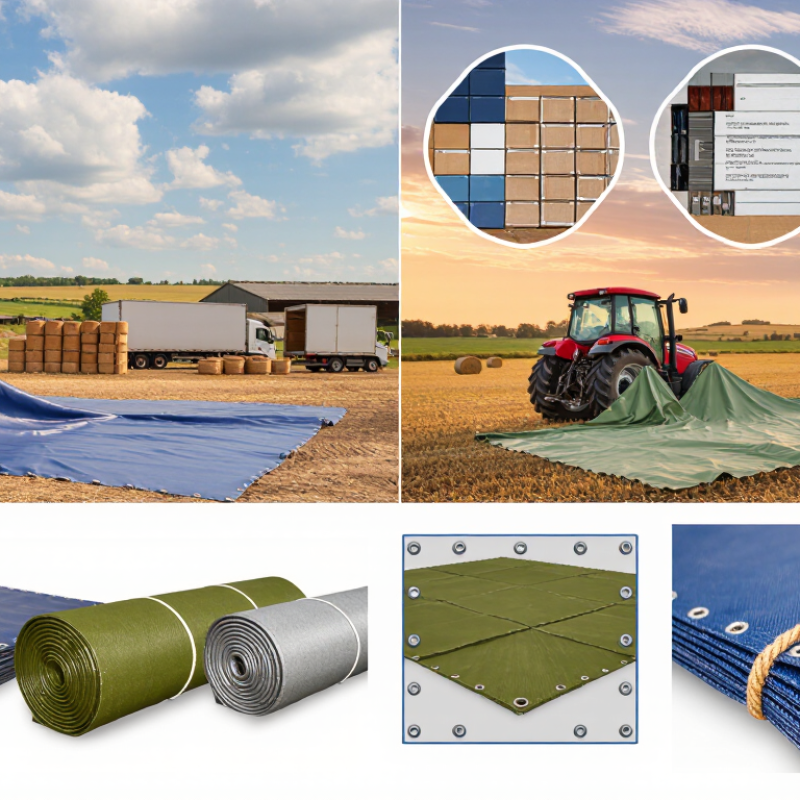
Define Coverage, Crop, and Weather Needs with a 10-Point Requirement Checklist
Buying farm tarps in bulk starts with a precise requirement checklist, not a rushed price comparison. Measure the covered length and width, then add overlap for wind and drainage. Identify the crop, its growth stage, and whether it needs light, ventilation, or complete darkness. A seedling cover differs greatly from a grain storage cover. It matters.
Check expected rainfall, snow load, heat, hail, and prevailing wind direction. Select fabric strength and UV resistance for the local exposure period. Confirm waterproofing, breathability, and temperature tolerance before ordering hundreds of units. Examine grommet spacing, reinforced edges, tie-down points, and repair options. Small details become expensive problems across a large field.
Also record the tarp weight, folded size, delivery schedule, minimum order, and inspection procedure. Request samples from the actual production batch when possible. Test one tarp through a windy week before committing to full distribution. Storage deserves attention too; damp, folded tarps can develop odor or mildew. In practical farm purchasing, a written checklist prevents assumptions, although it will not remove every risk. I would revisit it after each season, because crop plans and weather rarely stay predictable.
| # | Requirement | What to Define | Practical Selection Check | Bulk-Order Check |
|---|---|---|---|---|
| 1 | Coverage area and finished dimensions | List the length and width of each area, pile, piece of equipment, or load to be covered. | Allow enough material to extend over the sides and leave room for tying down. Confirm whether quoted dimensions are finished tarp dimensions or fabric cut dimensions. | Group orders by required finished size and record acceptable size tolerances before comparing quotes. |
| 2 | Crop and intended use | Identify whether the tarp is for harvested crops, hay or feed storage, equipment, ground cover, or temporary field protection. | Choose a cover suited to the use: a waterproof storage cover is not automatically suitable for covering living plants, which may need ventilation or a purpose-made shade material. | Separate specifications by use so a single bulk order does not mix covers with different performance needs. |
| 3 | Water resistance and drainage | Decide whether the tarp must shed rain, resist brief splashes, or protect a load during prolonged outdoor storage. | Check the material and construction details, and plan the cover with a slope so water can run off rather than collect in low spots. | Request consistent water-resistance specifications and inspect samples or a first shipment before accepting the full quantity. |
| 4 | Sun exposure and UV resistance | Estimate how many hours of direct sun the tarp will receive and how long it will remain outdoors. | Ask whether the material is UV-stabilized and what service-life information is available. Exposure, handling, and installation affect durability. | Compare products using the same stated UV information; avoid relying on color alone as evidence of UV protection. |
| 5 | Wind, tie-downs, and edge strength | Consider local exposure, the size of the covered area, and how the tarp will be secured. | Check for reinforced hems and suitable tie-down points. Use secure anchors and avoid leaving large loose sections that can catch wind. | Confirm that all units have the same tie-down layout and reinforcement, and specify grommet or attachment spacing if needed. |
| 6 | Material and construction | Specify the tarp material, weave or construction, coating, and any reinforcement required for the job. | For woven polyethylene covers, compare the complete construction and performance details rather than assuming that a single weight figure describes strength or lifespan. | Keep material and construction requirements consistent across the order, and request written specifications for the quoted product. |
| 7 | Crop contact and ventilation | Determine whether the tarp will touch crops or cover a load that needs airflow. | A tightly sealed cover can trap moisture. Follow crop-storage guidance and leave suitable ventilation where required; do not use an opaque waterproof tarp as a substitute for breathable crop-covering material. | Label each tarp group by application to reduce the chance of using a storage cover on a crop that needs light or airflow. |
| 8 | Temperature and seasonal conditions | Note expected heat, cold, frost, and seasonal changes during storage or use. | Check the supplier’s temperature guidance for the material. Avoid dragging or sharply folding a cold, stiff tarp, which can increase handling damage. | Plan delivery and storage so bulk stock stays clean, dry, and protected from unnecessary sun and abrasion before use. |
| 9 | Quantity, packaging, and handling | Calculate the number of tarps by size and application, including a practical allowance for replacements if needed. | Confirm folded or rolled dimensions, unit weight, packaging, and whether one person or equipment will be needed for handling larger covers. | Request a line-by-line quantity and packing list; check that the delivered sizes and counts match the purchase order. |
| 10 | Inspection, storage, and replacement plan | Set acceptance criteria for dimensions, seams, hems, attachment points, and visible damage. | Inspect new covers before use and periodically afterward. Clean and dry tarps before folding for storage, and replace covers that can no longer protect the load reliably. | Agree on how defects, shortages, and replacements will be documented and handled before placing a large order. |