China Top 10 Valve Positioner Manufacturers
A Valve Positioner helps a control valve respond accurately to changing process signals. Its performance can affect flow stability, energy use, and equipment wear. For buyers comparing manufacturers in China, product specifications are only part of the decision. Testing methods, materials, calibration support, and communication also deserve attention. Small details matter.
This guide to China’s top 10 Valve Positioner manufacturers offers a starting point for supplier research. It considers factors such as product range, industry experience, technical documentation, customization options, and after-sales service. These points can help engineers, procurement teams, and plant operators prepare more focused questions before requesting quotations. A clear datasheet is useful. A responsive technical contact can be just as important.
The list should not be treated as a universal ranking. Requirements differ between a water-treatment line, a chemical process, and a power plant. Compatibility with the valve, actuator, control signal, and operating environment must be checked for each application. Buyers should verify certifications and performance claims directly with suppliers, since product offerings and service capacity can change. Some comparisons may remain imperfect when public information is limited. That is worth acknowledging. Use the manufacturers featured here to build a shortlist, then compare documented specifications, sample test results, delivery expectations, and support arrangements against your actual operating conditions.
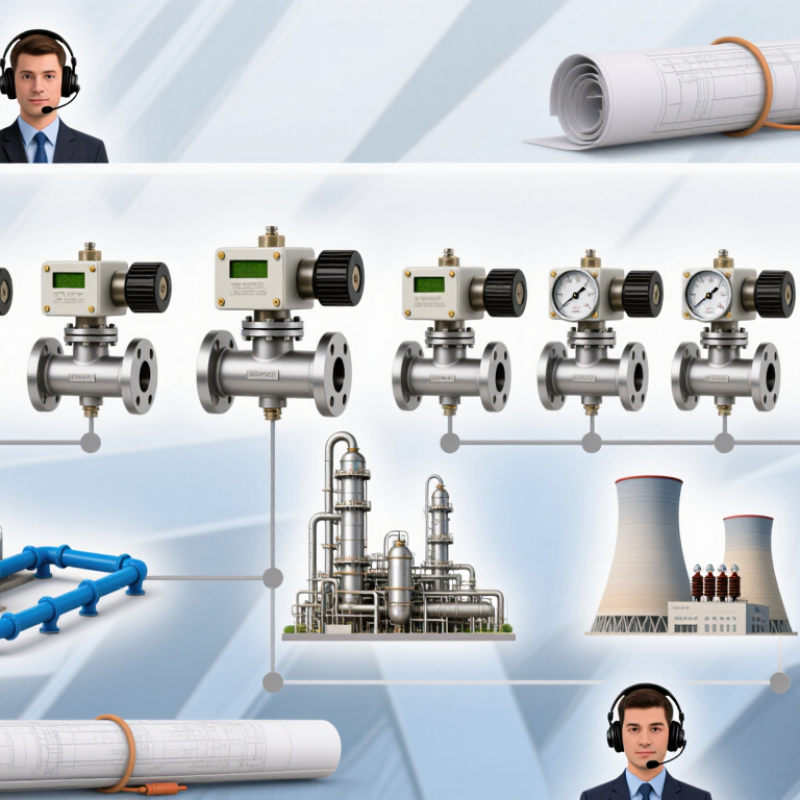
What Valve Positioners Do and Where They Are Used
A valve positioner helps a control valve reach the opening requested by a process controller. It compares the controller’s signal with the valve stem or shaft position. If the valve is short of its target, the positioner adjusts the actuator’s air pressure. The valve then moves closer to the required position. Small movements matter.
Positioners are used in water-treatment plants, refineries, power stations, and food-processing lines. They can help regulate flow, pressure, temperature, or liquid level. For example, a positioner may move a valve slightly open as a tank’s level rises. In a steam line, accurate movement can support steadier temperature control. Actual performance depends on the valve, actuator, and process conditions.
A positioner can also improve response when friction or changing pressure makes a valve harder to move consistently. Digital models may provide diagnostic information, but readings still need sensible interpretation. A clean calibration sheet does not prove that a valve behaves well under operating conditions. Check for air leaks, linkage wear, and sluggish travel during inspection. Field conditions are rarely perfect, and a positioner cannot fix every mechanical problem.
An Overview of China’s Valve Positioner Industry
China’s valve positioner industry develops alongside the country’s large process-manufacturing and automation base. The National Bureau of Statistics reported that manufacturing value added grew 5.0% in 2023. The International Federation of Robotics recorded 276,288 industrial robot installations in China that year, representing 51% of global installations. These figures do not measure positioner sales directly. They do, however, show the scale of industrial investment supporting demand for accurate valve control.
Positioners translate control signals into valve movement, helping regulate flow in pipelines, treatment plants, and production lines. Buyers often assess response accuracy, calibration stability, vibration resistance, and compatibility with existing control systems. On site, a technician may check a small air leak or compare valve travel against the controller’s command. Small details matter. Domestic suppliers serve varied applications, but product performance can differ across models and operating conditions. Published statistics rarely separate positioners from wider instrumentation categories, so market estimates should be treated cautiously. Factory testing is important, yet field performance can still reveal issues that laboratory checks miss.
Criteria for Evaluating Chinese Valve Positioner Manufacturers
China Top 10 Valve Positioner Manufacturers
Criteria for Evaluating Chinese Valve Positioner Manufacturers
Choosing a valve positioner manufacturer requires more than comparing prices or catalog specifications. Start with the application: valve type, actuator size, signal protocol, operating pressure, and ambient conditions. A unit installed near a vibrating pump faces different demands from one in a climate-controlled room. Fit matters.
Ask for documented test procedures, calibration records, and performance data for the operating range you need. Check positioning accuracy, response time, repeatability, and air consumption. Request clear compatibility details for control systems and pneumatic connections. Good answers should be specific, not simply “suitable for industrial use.” Short claims prove little.
Service capability is equally important. Confirm whether technical staff can help with commissioning, fault diagnosis, and replacement parts. Review manuals for wiring diagrams, calibration steps, and troubleshooting guidance. Certifications and quality records can support confidence, but verify their scope and dates. A polished brochure is not evidence by itself.
Where possible, compare sample units under realistic conditions, including temperature changes and vibration. No single test captures every installation. I would also ask how product changes are communicated; this detail is easy to overlook. Even thorough evaluation has limits, so record assumptions and confirm them before purchase.
Profiles of 10 Leading Valve Positioner Manufacturers in China
China’s valve positioner manufacturers serve industries where accurate valve travel affects flow, pressure, and process stability. The International Energy Agency’s 2023 tracking report estimates that industry used about 37% of global energy in 2022. That makes dependable control more than a convenience. Small errors matter.
Profiles of ten leading Chinese manufacturers are most useful when they compare engineering evidence, not just product claims. Look at pneumatic and electro-pneumatic models, input signals, feedback options, enclosure ratings, and calibration procedures. IEC 60534-6-1 offers a reference for mounting interfaces. Ask how each supplier verifies response time, hysteresis, and performance under vibration. A brochure cannot prove that.
Factory capability also deserves attention. Check whether calibration records identify the test equipment, date, and acceptance limits. Ask about spare parts, technical support, and replacement lead times. Some manufacturers emphasize broad model ranges; others focus on customization or export documentation. These differences can affect commissioning. They do not guarantee field reliability. A practical review should request test reports and confirm compatibility with the control valve and actuator. Even then, published specifications may not reflect every installation. That uncertainty is worth stating.
How to Compare Manufacturers, Products, and Technical Support
Comparing China’s valve positioner manufacturers starts with the operating conditions, not the catalog price. Note the valve type, actuator size, control signal, air supply, and process temperature. Ask each supplier to confirm compatibility in writing. A mismatch may appear minor on paper, then cause slow travel or unstable control in the field. Test it live.
Compare product specifications using the same checklist. Review positioning accuracy, response time, feedback options, communication protocols, enclosure protection, and air consumption. Request test records for the exact model, not just a general product brochure. Check how calibration works and whether diagnostic functions can identify travel deviations or air leaks. Small details matter, especially when access to the installed valve is limited.
Technical support deserves equal attention. Ask about commissioning guidance, spare-part availability, troubleshooting response times, and training for maintenance staff. A useful supplier can explain what information to collect before remote diagnosis, such as signal readings and positioner status. If possible, discuss a sample installation with the engineering team. No comparison table captures every field condition. I have seen specifications look complete while leaving basic service questions unanswered, so leave room for practical follow-up before choosing.
China Top 10 Valve Positioner Manufacturers — How to Compare Manufacturers, Products, and Technical Support
Suggested evaluation weighting, not manufacturer rankings or measured market data. Compare each supplier using the same criteria: actuator and valve compatibility, positioning performance, signal and communication options, environmental suitability, and technical support. Adjust the weights to match your application and verify specifications with the supplier.