In today's world, many people seek efficient food preservation methods. A Freeze Dryer for Home Use can be a perfect solution. It allows you to store food for longer periods without losing flavor or nutrients. Imagine biting into a perfectly rehydrated strawberry in winter, remembering summer's sweetness.
This technology has gained popularity for good reasons. It reduces food waste and saves money. Families can prepare meals in bulk and enjoy them later. However, the initial investment may seem high. Some may question whether the savings outweigh the cost.
Understanding how a Freeze Dryer for Home Use works is essential. It removes moisture while preserving taste and structure. You might be tempted to rush into purchasing one, but careful research is crucial. Consider your eating habits and storage space. The benefits are significant, yet reflect on your personal needs before making a decision.
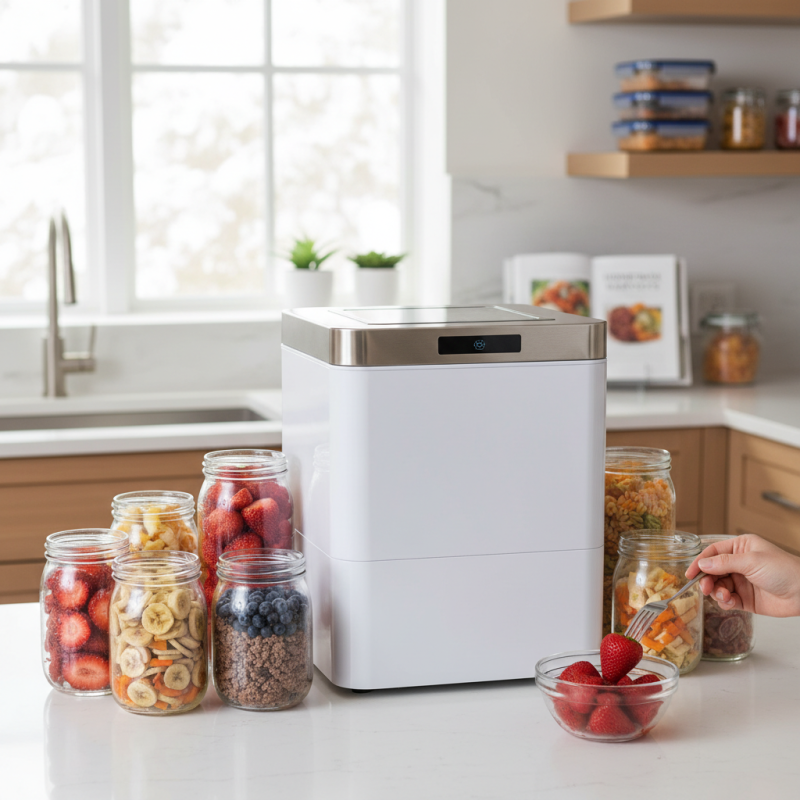
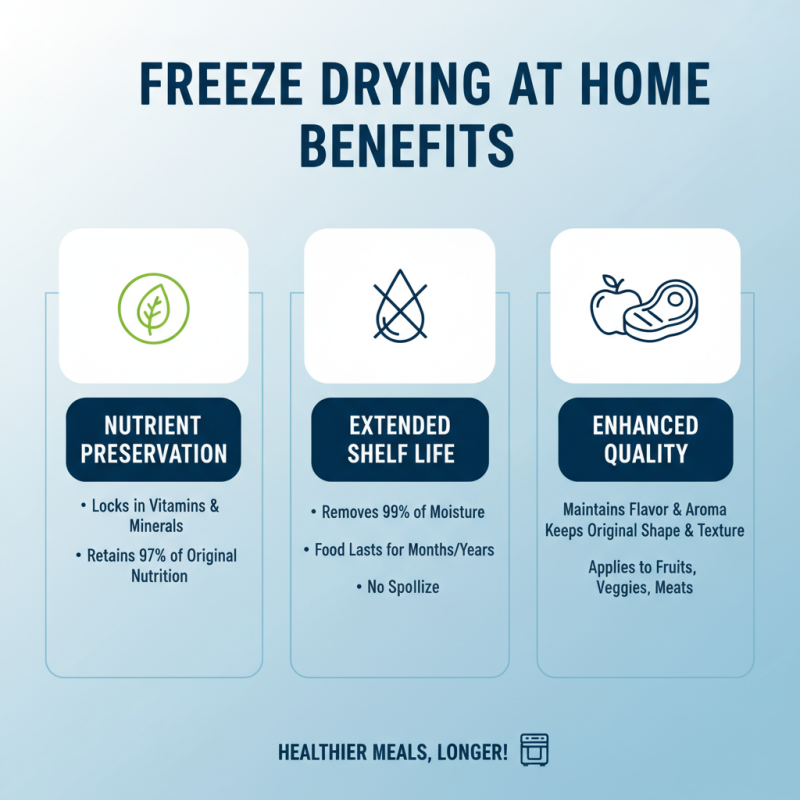
Using a freeze dryer at home offers remarkable benefits for nutrient preservation. Freeze drying locks in vitamins and minerals found in food. Unlike traditional drying methods, this process removes moisture without altering the food’s cellular structure. This helps retain flavor and nutrition, making meals healthier over time. Your fruits, vegetables, and even meats can stay nutritious for months.
One interesting aspect is how freeze-dried foods can last longer than fresh options. Snacks like strawberries or blueberries maintain their vibrant colors and tastes. This preservation can also save time during meal prep. However, the freeze-drying process can be daunting to start. It requires good planning and initial investment. Sometimes, users find the equipment's complexity challenging. Learning to balance quality and quantity can also take time.
Despite some hurdles, the benefits are substantial. Homemade freeze-dried foods create nutritious options without harmful additives. You get to enjoy healthy snacks while reducing waste. The chance to experiment with various foods adds excitement. It might not always be easy, but the rewards can be delicious and fulfilling.
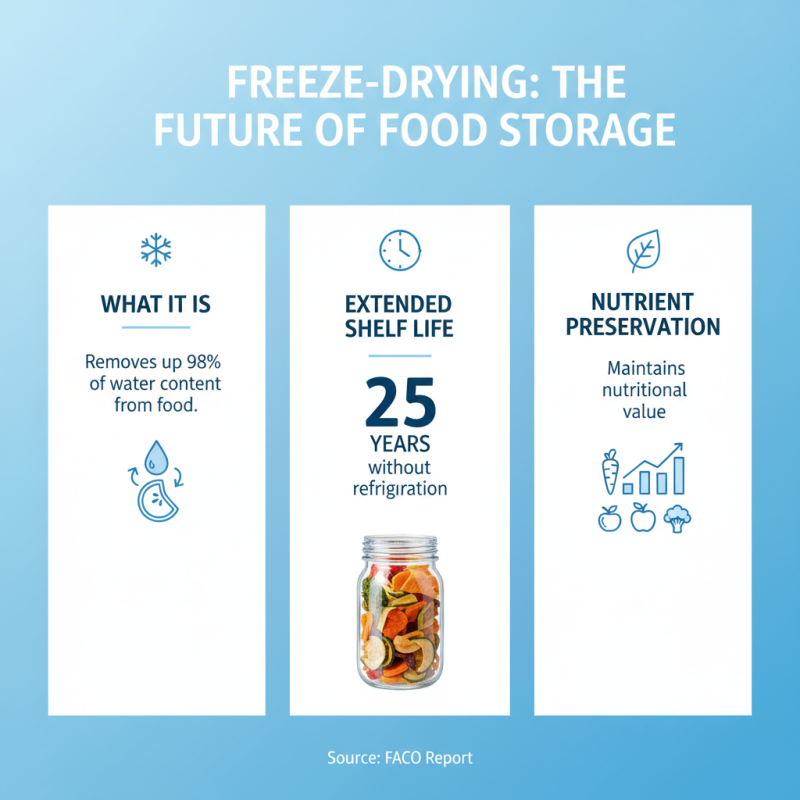
Freeze drying, or lyophilization, significantly extends the shelf life of food products. By removing up to 98% of water content, freeze-dried foods can last years without refrigeration. According to a report from the Food and Agriculture Organization, properly freeze-dried food can maintain its nutrient value for up to 25 years. This longevity makes it ideal for long-term storage.
Moreover, the freeze-drying process preserves flavor and texture. Fruits retain their original color and taste after being freeze-dried. A study by the Institute of Food Technologists shows that freeze-dried fruits contain 90% of their original vitamins. This is impressive compared to other preservation methods. However, quality can vary based on the equipment used and the specific food items.
Home users can enjoy the benefits of freeze-drying. They can create convenient meals, snacks, and ingredients that are ready when needed. However, not everyone's freeze-drying experience will be perfect. Factors like humidity, temperature, and food composition can impact results. Some may find it challenging to achieve the same quality as commercial operations. This highlights a learning curve for home users aiming for optimal outcomes.
Using a freeze dryer at home can lead to significant cost savings over time. Freeze drying preserves food by removing moisture, which extends shelf life. This means fewer trips to the grocery store. You can store seasonal fruits or vegetables for months or years. Make the most of bulk purchases. The initial investment may seem high, but savings accumulate as you reduce food waste.
When considering the efficiency of freeze dryers, it’s crucial to evaluate your food storage needs. A freeze dryer can reduce spoilage and provide access to healthy options year-round. Each batch of dried food is a step towards self-sufficiency. However, be aware of the energy consumption. Monitor usage to avoid surprisingly high bills.
Tips: Think about starting small. Test with a few items first. Track how much money you save by storing your own food. This will guide your future choices. Always clean your freeze dryer after each use. This ensures optimal performance and longevity. Stay aware of your habits, as they play a role in saving costs and maintaining efficiency. Remember that not all foods freeze-dry equally, so experiment and adjust accordingly.
Freeze drying at home offers remarkable convenience for emergency preparedness and meal planning. This process removes moisture, preserving food for extended periods. Imagine having ready-to-eat meals that last for years. You can store fruits, vegetables, and even entire meals in your pantry. In emergencies, having quality food on hand provides peace of mind.
Tips: Always vacuum seal freeze-dried food. This step helps prevent moisture from entering the packaging. Label everything with the packing date. Knowing when you stored your food ensures you use it before it loses quality.
For meal planning, freeze drying makes cooking easier. You can prepare meals in advance and freeze dry them. When you’re busy, just rehydrate and heat. This method saves time and reduces waste. However, not all foods freeze dry well. Some items may not rehydrate as expected. You’ll need to experiment to find your favorites.
Tips: Keep a journal of your freeze-drying results. Note what worked and what didn’t. This reflection helps improve future drying sessions. Aim for a balance between convenience and taste in your meal planning.
| Benefit | Description | Impact on Home Use |
|---|---|---|
| Longer Shelf Life | Freeze drying removes moisture, preserving food for years. | Allows for emergency preparedness without spoilage concerns. |
| Retention of Nutrients | Freeze drying maintains more nutrients than traditional drying methods. | Provides healthier food options for meal planning. |
| Improved Taste | Freeze dried foods often taste better than canned or dehydrated food. | Enhances meal quality and satisfaction. |
| Lightweight Storage | Freeze dried foods are lightweight, making storage easier. | Saves space in cupboards and pantries. |
| Convenience of Preparation | Just add water to rehydrate freeze dried meals. | Quick meal solutions for busy lifestyles. |
| Versatility in Food Choices | Can freeze dry a wide variety of foods. | Allows for personalized meal planning. |
| Cost-Effective | Reduces food waste and maximizes budgeting. | Saves money on grocery bills over time. |
| Emergency Preparedness | Ideal for creating emergency food supplies. | Increases readiness for unexpected situations. |
| Better for the Environment | Less waste compared to store-bought preserved foods. | Supports sustainability efforts. |
| Family Engagement | Involve family in preparing and saving foods. | Creates bonding experiences through food preparation. |
Freeze drying offers notable environmental advantages over traditional food preservation methods. According to the Food and Agriculture Organization, about one-third of food produced globally is wasted. Freeze drying helps mitigate this issue by extending the shelf life of perishable items. The process retains more nutrients compared to canning or dehydrating, leading to less food waste. Studies indicate that freeze-dried foods can retain up to 97% of vitamins and minerals, ensuring that the preserved food remains nutritious.
Additionally, freeze drying consumes less energy than other methods. For example, methods like canning require high temperatures and long processing times. In contrast, freeze drying operates at lower temperatures, significantly reducing energy impact. The USDA reports that freeze drying can save up to 50% more energy than conventional preservation techniques. This reduction in energy usage also means fewer greenhouse gas emissions. While freeze dryers have a higher initial investment, their lower environmental footprint can be significant in the long term.
Despite these benefits, the process is not without its challenges. The technology has a steep learning curve. Users may experience initial failures, leading to frustration. Properly understanding the variables involved in freeze drying requires time. Consumers must weigh the benefits against their commitment to mastering the equipment. This reflective consideration can help potential users make informed decisions regarding their food preservation methods.