
Choosing among China’s Custom Sewer Jetter manufacturers takes more than comparing headline pressure ratings. A Custom Sewer Jetter must match the pipe sizes, debris, access conditions, and service demands it will face. A unit designed for municipal networks may be oversized for a small contractor’s daily routes. The reverse can be costly, too.
Look closely at the details behind each proposal. Ask about pump flow and pressure, hose diameter and length, reel capacity, water-tank volume, chassis options, and control layout. These choices affect how crews work on a wet morning, beside a narrow road, or at a difficult manhole. Specs alone can mislead. Request drawings, component lists, test procedures, and clear warranty terms before comparing offers. Where possible, verify that the proposed configuration has been tested under conditions close to your intended use.
This guide explores manufacturers, customization capabilities, production quality, and after-sales support. It also considers practical questions: Can the supplier adapt the controls? Are replacement parts readily available? How are pressure and flow checked before shipment? A polished brochure cannot answer everything. Even a capable machine may be a poor fit if maintenance is complicated or training is limited. That deserves a second look. Use the information here as a starting point, then confirm important claims directly with each manufacturer. The best choice is not automatically the largest or most powerful jetter; it is the one whose documented capabilities, service support, and configuration fit your real operating needs.
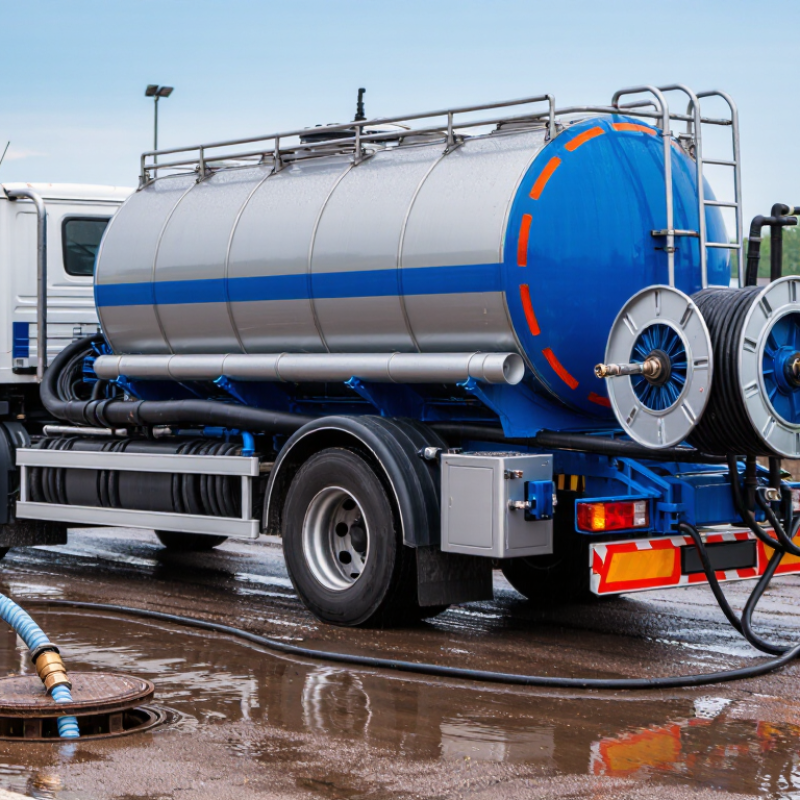
A custom sewer jetter is a high-pressure cleaning system configured for particular pipe sizes, access conditions, and operating demands. Its design may adjust water flow, pressure, tank capacity, hose length, and vehicle or trailer layout. The U.S. Environmental Protection Agency’s 2022 Clean Watersheds Needs Survey estimated $630.1 billion in wastewater infrastructure needs over 20 years. That national estimate includes more than cleaning equipment, but it shows the scale of the maintenance challenge. A jetter is only one part of the response.
Core components include a water tank, pump, power source, hose reel, high-pressure hose, and interchangeable nozzles. The pump supplies pressure and flow; the nozzle directs water to clear deposits and move debris. Operators also need accessible controls, reliable filtration, and clear pressure monitoring. Small details matter. A hose that is too short can limit access, while excessive pressure may risk damage in vulnerable pipes. Customization should reflect pipe material, diameter, blockage type, and available water supply—not just the highest pressure rating. In practice, those details can be hard to confirm before a job, so sizing may need adjustment after inspection.
Chinese sewer jetter manufacturers often begin customization with the job, not a standard machine. A contractor clearing narrow residential drains may need a compact chassis and a shorter hose. Municipal crews may prefer a larger water tank and longer working reach. Fit comes first.
Pump flow and pressure are matched to pipe size, blockage type, and available water. The right combination can clear grease or silt without making the unit unnecessarily difficult to operate. Manufacturers may also configure hose reels, nozzle sets, remote controls, and engine options. In cold regions, practical details like insulated lines and accessible drain points can reduce downtime. Small details matter.
Customization should include real-world testing. A machine can look capable on paper but feel awkward beside a crowded service vehicle. Reputable factories can discuss operating limits, maintenance access, and component compatibility, then verify the selected setup before delivery. Buyers should share typical pipe diameters, work duration, and transport constraints. More capacity is not always better; extra tank weight can affect payload and handling. That trade-off matters. Some specifications may need adjustment after field use, and honest feedback helps refine the next build.
Leading Chinese sewer jetter manufacturers distinguish themselves through process control, not just impressive pressure figures. They match pump output, hose length, and nozzle choice to the intended cleaning work. Good engineering shows in a stable pressure reading, a smoothly operating reel, and controls reachable while wearing gloves. Details matter.
Production capability also includes repeatable assembly and meaningful testing. Ask how each unit is checked for leaks, pressure stability, and safe relief-valve operation before shipment. Traceable pump and hose specifications make later maintenance easier. A supplier that can adapt tank size, frame layout, or power configuration may better fit a buyer’s vehicle and job conditions. Customization should still come with clear drawings and agreed acceptance checks.
Quality evidence deserves close review. Look for documented inspection steps, consistent welds, protected wiring, and corrosion-resistant finishes suited to wet, dirty environments. Ask whether test records identify the unit and its actual results, rather than offering only a generic certificate. A factory visit or sample-unit inspection can reveal gaps that brochures cannot. No process is flawless; even capable teams may need revisions after field feedback. The useful sign is a clear method for recording problems and correcting them.
When comparing China top custom sewer jetter manufacturers, start with evidence, not catalog claims. The U.S. EPA’s 2022 Clean Watersheds Needs Survey estimated $630.1 billion in wastewater and stormwater infrastructure needs over 20 years. That scale makes dependable maintenance equipment important, but it does not prove any machine’s performance. Ask for documented flow and pressure tests using the proposed pump, hose, and nozzle. Request test conditions, results, and serial-number traceability. A tidy test sheet matters.
Check whether an ISO 9001 certificate is valid, current, and covers the actual manufacturing site and relevant processes. The certificate supports quality-management controls; it is not proof that every jetter meets your operating requirements. Review material records, weld inspections, electrical protection, and final inspection procedures. For export orders, confirm which product conformity documents apply in the destination market, and verify them with the issuing body. Paperwork can look convincing.
After-sales support deserves equal scrutiny. Ask for written warranty terms, spare-parts availability, response times, and remote troubleshooting hours. Request a sample parts list for common wear items, such as seals, filters, and hose fittings. Clarify who pays freight for replacement parts and how technical issues are escalated. A practical test is to send a detailed service question before ordering and assess the response. It may still be imperfect; that is worth discussing openly before production begins.
| Evaluation dimension | What to compare | Evidence to request | Quality indicators | Potential warning signs |
|---|---|---|---|---|
| Cleaning performance | Pump pressure and flow rate, stated together; nozzle options; intended pipe sizes and cleaning applications. | Pump data sheet, operating curves where available, and a witnessed or recorded performance test using the proposed configuration. | Pressure and flow are clearly identified as operating values, with the pump, engine or motor, and nozzle matched to the duty. | Pressure is quoted without flow rate, test conditions, or explanation of how the figure relates to the supplied setup. |
| Pump and drive system | Pump type, rated operating range, drive arrangement, cooling, filtration, and service access. | Component specifications, maintenance schedule, parts list, and written confirmation of the pump and drive configuration. | Components are selected for the intended duty and can be inspected and serviced without extensive disassembly. | Key component details are withheld or differ between the quotation, drawings, and delivered equipment. |
| Hoses and fittings | Hose working-pressure rating, diameter, length, connection type, compatibility, and replacement availability. | Hose and fitting specifications, pressure-rating documentation, and inspection or replacement guidance. | Ratings and connection details are documented, and supplied parts are compatible with the operating pressure and machine connections. | No traceable hose rating, unclear connection standards, or no guidance on inspection and replacement. |
| Safety systems | Pressure relief or control, emergency stop, guarding, hose restraint, warnings, and operator instructions. | Risk assessment, safety-system descriptions, operating manual, and functional-test records for supplied safeguards. | Safety features are specified for the actual machine configuration, with clear instructions for operation and maintenance. | Safety devices are described only in general terms or are not included in drawings and test documentation. |
| Build quality and final inspection | Frame and tank construction, corrosion protection, wiring and plumbing layout, workmanship, and access for maintenance. | Production drawings, material or coating details where relevant, inspection checklist, and pre-shipment test report. | The supplier provides a documented inspection process and checks the finished machine against the approved specification. | No final inspection record, inconsistent workmanship, or undocumented substitutions of major components. |
| Customization and integration | Tank capacity and layout, hose reel, controls, power source, mounting, dimensions, and vehicle or trailer interfaces. | Approved drawings, interface measurements, electrical or hydraulic requirements, and a change-control record. | Requirements are documented before production, and revisions are approved by both parties. | Customization is promised verbally without drawings, dimensional checks, or a record of agreed changes. |
| Certifications and compliance | Management-system certification, machinery safety requirements, electrical compliance, and vehicle or emissions rules where applicable. | Current certificates with scope and issuing-body details; declarations and technical documents applicable to the exact model and destination market. | The supplier distinguishes management-system certification, such as ISO 9001, from product conformity. Applicable requirements are checked for the destination and configuration. | A certificate is presented as proof of every product feature, has an unclear scope, or does not cover the supplied model or market. |
| Documentation and training | Operating and maintenance manuals, parts diagrams, troubleshooting steps, safety guidance, and operator instruction. | Sample manuals, parts catalogue, training outline, and confirmation of the delivery language and format. | Documents match the delivered configuration and include routine maintenance and safe operating procedures. | Generic manuals omit the supplied controls, components, or maintenance requirements. |
| Warranty and after-sales support | Warranty duration and exclusions, response process, remote troubleshooting, service coverage, and spare-parts lead times. | Written warranty terms, support contact route, parts list with part numbers, and service or escalation procedure. | Responsibilities, claim process, parts ordering, and support availability are stated in writing before purchase. | Warranty coverage is only verbal, exclusions are vague, or no practical route for obtaining parts and technical help is provided. |
| Commercial and delivery terms | Scope of supply, inspection point, packaging, delivery terms, commissioning, payment milestones, and acceptance criteria. | Itemized quotation, approved technical specification, delivery schedule, and written acceptance procedure. | Technical and commercial documents use consistent specifications and clearly identify what is included or excluded. | Important accessories, inspection, documentation, or commissioning are left undefined in the offer. |
Custom sewer jetters are used to clear grease, sediment, roots, and other blockages from drain lines. Municipal crews may need them for long sewer runs, while contractors often work on shorter service lines behind homes or businesses. Food-service drains can collect sticky grease; stormwater pipes may hold grit and leaves. The job changes the equipment needs.
A compact unit can suit narrow streets and indoor access, where a large truck cannot turn or park. Larger networks may require greater water capacity, longer hose reach, and steady flow for extended cleaning. Pressure matters, but it is not the only measure. Match flow rate, nozzle type, hose diameter, and operating pressure to the pipe material and blockage. Too much force can damage a weakened line. That risk is easy to underestimate.
When selecting a model, consider typical pipe sizes, daily working hours, water access, transport limits, and maintenance support. Ask the manufacturer how the pump performs under continuous use, and request clear specifications for the intended setup. A custom tank or hose reel can improve workflow, but extra features add weight and maintenance. Sometimes, simpler is better. Field conditions rarely match the neat assumptions in a product sheet, so leave room for adjustment.