
Cuddon Freeze Dry Logo

China Top Decorative Paper Sheets Suppliers

China’s decorative paper supply chain sits within a vast paper industry. The China Paper Association reported that China produced 127.05 million tonnes of paper and paperboard in 2023. That figure does not measure decorative grades alone, but it shows the scale of the country’s manufacturing base. For buyers, the harder question is finding sheets that combine stable color, clean printing, and reliable performance after lamination.

Market context matters, too. Grand View Research estimated the global decorative laminates market at about US$7.9 billion in 2023. Decorative Paper Sheets are a key visual layer in many laminate products, so supplier selection can affect both appearance and production consistency. Paper scientist Martin A. Hubbe’s technical work offers a useful reminder: “Paper is a network of cellulose fibers.” The visible finish matters. So do the paper’s formation, coating, and compatibility with resin and pressing conditions.

This guide examines China Top Decorative Paper Sheets Suppliers through practical sourcing criteria: print clarity, shade consistency, sheet dimensions, technical documentation, and sample-to-batch matching. A close-up inspection can reveal pinholes or uneven coating. A small trial run can expose color shifts that a catalogue misses. No supplier fits every application. Buyers should verify specifications directly and compare samples under their own lighting and process conditions. These checks take time, and they may still leave unanswered questions. That is worth admitting.
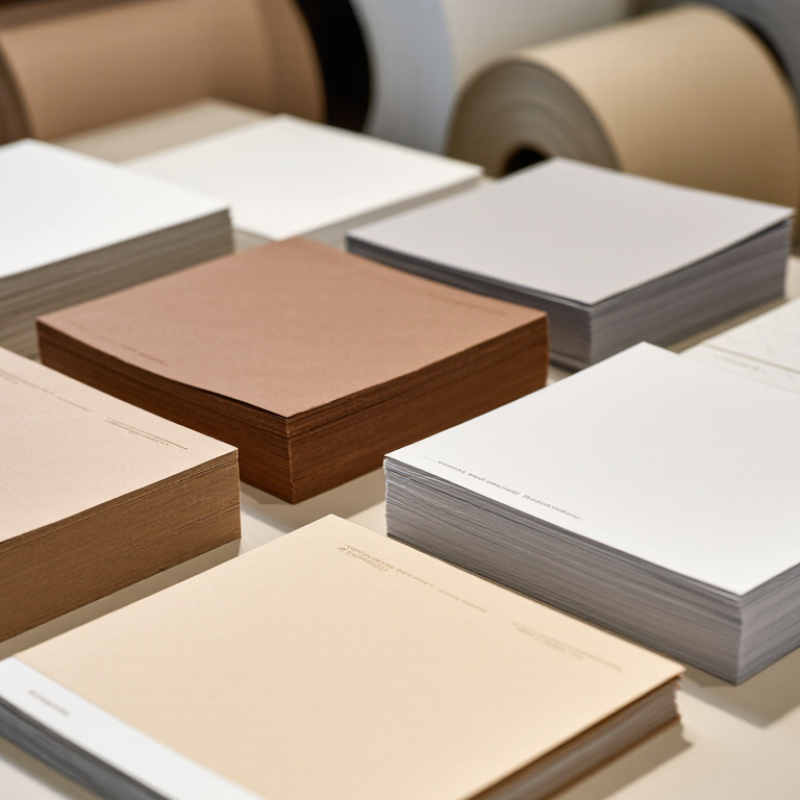
China Top Decorative Paper Sheets Suppliers

What Decorative Paper Sheets Are and How They Are Made

Decorative paper sheets are printed papers that add color, texture, or pattern to furniture panels, cabinets, doors, and other interior surfaces. Unlike ordinary wrapping paper, they are made for consistent appearance and compatibility with specific finishing processes. Some sheets are used as printed; others receive resin or a protective coating during panel production.

Production begins with a paper base selected for its thickness, absorbency, and strength. The surface is prepared so ink spreads evenly, then printed with designs such as oak grain, stone veining, or fine geometric lines. Gravure and digital printing are common options, depending on order volume and design detail. Each ink layer is dried before the next step. Quality checks look for color variation, print alignment, and surface marks. Even a small shift can make a wood pattern look doubled. It happens.

For many applications, the printed paper is impregnated with resin and dried to a controlled moisture level. Heat and pressure then bond it to a substrate. Processes vary by intended use, so coating, resin, and pressing conditions may differ between products. Buyers can request technical specifications and sample sheets, then check the color under the lighting where the finished panel will be installed. A sample can still mislead if the production batch differs slightly. That detail deserves attention.

Decorative Paper Sheets: A Typical Manufacturing Workflow

From paper furnish preparation to finished sheets, the steps below show a common production sequence. Processes can vary by paper type and end use.

The horizontal scale indicates process order only; it does not represent production time, volume, or cost.

Common Types and Uses of Decorative Paper Sheets

Decorative paper sheets are printed surface materials used to give panels a consistent color, grain, or pattern. Common types include printed décor paper, finish foil, and resin-impregnated paper. Printed décor paper is widely used on furniture panels and cabinetry; finish foil often covers shelves and interior components. Resin-impregnated sheets are applied to surfaces such as flooring and worktops, where they need to resist everyday wear. Details matter. A paper suited to a cabinet door may not perform well on a floor.

FAO’s 2023 Forest Products Yearbook reports about 401 million tonnes of global paper and paperboard production in 2022. This figure covers all paper and paperboard, not decorative grades, so it should not be treated as a decorative-paper market estimate. It does show the scale of the wider paper supply chain. In sourcing, buyers commonly compare print clarity, basis weight, surface finish, and compatibility with the intended panel and pressing process. A fine oak pattern can look convincing on a sample, yet shift in tone across a larger panel. That happens. Test sheets under the actual lighting and production conditions before placing a large order; samples can still fail to capture every variation.

China’s Decorative Paper Sheet Supplier Landscape

China’s decorative paper sheet supplier landscape includes large mills, converters, and smaller specialist producers. Their products serve furniture panels, interior finishes, gift packaging, and craft applications. Capabilities differ. Some suppliers focus on printed patterns, while others offer solid colors, textured surfaces, or paper engineered for lamination. Coastal manufacturing regions often provide access to printing, coating, and packaging services, but location alone does not confirm quality or delivery reliability.


Ask for samples that match the intended process. Check sheet thickness, opacity, surface feel, print alignment, and color consistency under natural and indoor light. A swatch may look even, while a full production batch reveals slight shade shifts. That happens. Request recent production samples and clarify tolerances, minimum order quantities, lead times, and packing methods before placing an order. Supplier documents can help, but they should be checked against physical samples and clear specifications. No checklist removes every risk; paper can respond differently to humidity, storage, and pressing conditions. A careful comparison gives buyers a more realistic view of each supplier’s strengths.

How to Evaluate and Compare Chinese Suppliers

China Top Decorative Paper Sheets Suppliers

How to Evaluate and Compare Chinese Suppliers

Compare suppliers against the same technical checklist, not just their sample books. For decorative paper sheets, request data on grammage, thickness, moisture, opacity, shade tolerance, and surface cleanliness. Check whether print colors stay consistent across sheets and production lots. Ask for a recent test report and a written inspection method. A polished sample can still mislead; it does not prove repeatable factory output.

The China Paper Association reported that China produced 144.29 million tonnes of paper and paperboard in 2023. This figure shows the scale of the paper sector, but it cannot verify any individual supplier’s quality.

Ask shortlisted factories for production capacity, lead times, defect-handling procedures, and references for comparable orders. If possible, inspect a production run and compare sheets from different points in the batch. Small shade shifts matter.

Also assess packaging and shipping readiness. The World Bank’s 2023 Logistics Performance Index ranked China 19th overall, useful context for export logistics, but not a promise of on-time delivery. Confirm carton protection, moisture barriers, shipment documents, and how damaged goods are handled. Samples matter. Keep one approved sheet as a physical reference, and record the agreed color and surface finish. Some details may still be missed; tighten the checklist after each order.

Sourcing, Quality Checks, and Export Considerations

China Top Decorative Paper Sheets Suppliers

When sourcing decorative paper sheets from China, compare suppliers by more than quoted price. Ask for the paper base, thickness, roll or sheet dimensions, surface finish, and printed pattern details in writing. Request samples that represent the intended production run, not only a showroom piece. A sample can look excellent under bright lights, yet appear different beside a cabinet panel or under warmer indoor lighting. Ask about minimum order quantities, lead times, and how production variations are handled.

Tips: Check color in daylight and indoor light. Rub a dry white cloth across the surface to spot loose pigment, and inspect edges for curling or uneven cuts. Record results against an approved sample. Small details matter. Still, one inspection cannot predict every batch, so agree on practical tolerances before ordering.

For export, confirm sheet counts, protective packaging, carton labels, and moisture precautions. Decorative paper can crease or absorb humidity during storage and transit. Ask the supplier to share packing photos and final measurements before dispatch. Align invoice descriptions, packing lists, destination details, and shipping terms with your freight provider. Keep a dated sample and written specifications for repeat orders; otherwise, “same pattern” may leave too much room for interpretation.

China Top Decorative Paper Sheets Suppliers - Sourcing, Quality Checks, and Export Considerations
Evaluation Area Checkpoint Practical Criteria and Evidence Sourcing or Export Consideration
Product Specification Paper grade and intended use Confirm whether the sheets are intended for laminates, furniture panels, packaging, crafts, or another application. Record the grade, surface finish, print pattern, and required downstream process. Request a written specification before quotation; decorative papers for different processes may require different absorbency, strength, or surface properties.
Product Specification Basis weight and sheet dimensions State target basis weight in g/m² and sheet length and width, with agreed tolerances. Basis weight can be checked using a method such as ISO 536. Confirm whether dimensions refer to finished sheets or rolls converted into sheets, and agree how edge trimming and measurement tolerances are handled.
Quality Control Moisture and storage condition Set a project-specific moisture range and inspect for dampness, brittleness, curl, or blocking. Paper moisture can be measured using a method such as ISO 287. Discuss storage and shipment protection, especially for long transit routes or humid conditions. Use moisture-resistant wrapping where appropriate.
Quality Control Color and pattern consistency Compare production samples with an approved reference under agreed lighting. Record color tolerances, repeat length, and acceptable limits for visible print defects. Approve a signed or otherwise traceable sample before mass production; define the inspection method and defect limits in the purchase specification.
Quality Control Surface and sheet condition Check for stains, scratches, pinholes, wrinkles, uneven coating, damaged corners, and contamination. Confirm the acceptable defect rate and sampling plan before inspection. Use a pre-shipment inspection plan suited to order size and risk; do not rely only on photographs of selected sheets.
Supplier Assessment Production capability and traceability Request production-capacity details, process controls, batch identification, and records linking samples and inspection results to the production lot. Verify that the quoted supplier can produce the specified sheet format and quantity, and clarify which processes are performed in-house or subcontracted.
Commercial Terms Samples, lead time, and order terms Agree sample charges, production lead time, minimum order quantity, packaging method, payment milestones, and remedies for nonconforming goods. Specify the delivery term and named place using the agreed Incoterms® rule and edition; include the production and inspection schedule in the purchase order.
Export Preparation Packaging and shipment protection Define sheet stacking, interleaving if required, carton or pallet protection, package labels, and outer-pack markings. Confirm package count and net and gross weights. Match packaging to the transport mode and expected handling. Keep paper dry and protected from crushing, abrasion, and contamination.
Export Documentation Commercial and transport documents Check the commercial invoice, packing list, transport document, and any certificate of origin or other document required for the transaction. Confirm document details, consignee information, product description, quantities, and country-of-origin requirements with the freight forwarder and destination importer.
Regulatory Review Classification and destination requirements Confirm the applicable customs classification, import rules, labeling requirements, and any product-specific declarations for the destination market. Classification and documentary requirements depend on product details and destination. Verify them with a qualified customs broker or the relevant authorities before shipment.