Top 10 Drone Detectors to Keep You Safe Today?
In today’s ever-evolving landscape, the prevalence of drones raises significant safety concerns. According to a report by the Federal Aviation Administration (FAA), nearly 1.7 million drones are registered in the U.S. alone. This surge has prompted increased demand for effective drone detectors. A reliable drone detector can mitigate risks in sensitive areas such as airports, military installations, and private properties.
Experts suggest that using advanced drone detection technology is essential. Many industries, including security and event management, integrate these devices for improved safety. Research indicates that drone-related incidents are on the rise, highlighting the need for robust detection solutions. However, not all detectors are created equal. Some models may struggle with interference or miss important signals. This inconsistency underscores the necessity for consumers to understand various products before making purchases.
Choosing the right drone detector is critical. Comprehensive evaluations of top models can help individuals and organizations protect themselves. Despite advancements, there remains a gap between existing technology and the growing challenges posed by drones. Addressing this gap requires a blend of expertise and informed decision-making. Understanding these dynamics is vital for fostering a safer environment in our drone-filled skies.
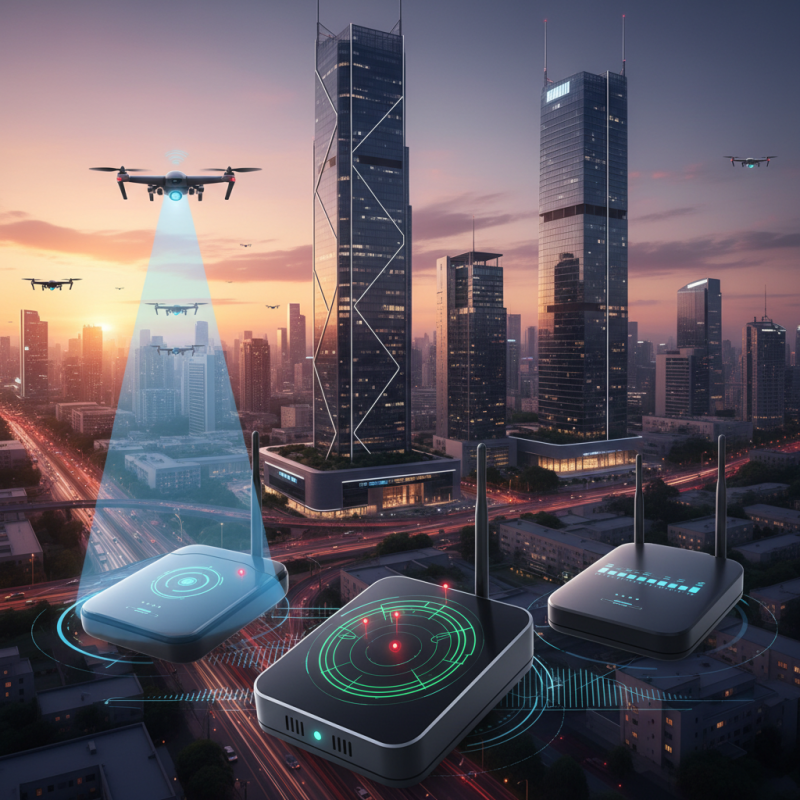
Understanding Drone Detection Technology and Its Importance
Drone detection technology plays a crucial role in ensuring safety in various environments. As the number of drones increases, so does the potential for their misuse. Understanding how these detection systems function helps individuals and organizations establish protective measures. These systems use advanced sensors to identify drone activity. They can detect radio frequency signals, acoustic noise, and even visual cues. Such technologies give users vital information about nearby drones.
The relevance of these systems extends beyond personal safety. Many organizations are investing in drone detection to safeguard their assets and spaces. Events, airports, and sensitive facilities benefit greatly from this technology. However, the effectiveness of these systems can vary based on the environment. Factors like terrain and weather conditions can impact performance. Some systems might struggle in complex urban settings. This highlights the need for ongoing research and development in drone detection.
Adopting these technologies is essential but comes with challenges. Potential users often find themselves weighing cost and effectiveness. Misunderstandings about drone capabilities can lead to overestimations. It's important for stakeholders to stay informed. Accurate knowledge of drone detection can lead to better decision-making. As drone technology evolves, so must our understanding and response strategies. This constant learning cycle shapes a safer environment for everyone involved.
Key Features to Consider When Choosing a Drone Detector
When selecting a drone detector, several key features are critical for ensuring optimal safety. The detection range is paramount. Most advanced detectors can cover areas up to several kilometers. However, experts suggest that effective detection should ideally reach distances of at least 1.5 kilometers for practical use in urban settings. Consider also the frequency range. A wider frequency coverage allows for better detection of various drone models.
Another important aspect is the type of alerts offered. Visual alerts, audible alarms, and notifications to mobile devices enhance situational awareness. According to a recent industry report, systems with multi-layered alert methods increase response times significantly.
Tips: Always check for integration capabilities with existing security systems. A seamless connection boosts overall effectiveness and reduces blind spots. Regular updates are also critical. Detection software must be kept up to date with the latest drone technology to maintain reliability.
Remember, while many detectors claim high accuracy rates, real-world environments can present challenges. Factors like urban structures and atmospheric conditions may affect performance. Therefore, investing in a reliable drone detector requires thorough research and consideration of specific needs.
Top 10 Drone Detectors: Overview and Specifications
Drones have become increasingly common, raising safety concerns. With this growth, effective detection systems are essential. The right drone detector can help identify unauthorized drones in your vicinity. Such systems work by analyzing radio frequencies or using advanced sensors to locate drones nearby.
When looking for a drone detector, consider several specifications. Detection range is crucial; some can cover several kilometers while others have limited reach. Sensitivity affects the system’s ability to pick up signals from distant drones. Battery life also matters; a long-lasting device ensures continuous monitoring.
User experiences play an essential role in evaluating these detectors. Some users note that certain models lack accuracy, resulting in false alarms. Others appreciate their reliability during significant events. It's important to find devices that offer timely alerts without overwhelming you with notifications. Balancing functionality and user-friendliness is critical for these systems.
Top 10 Drone Detectors to Keep You Safe Today
| Model | Detection Range | Weight | Battery Life | Price |
| Model A | 300 meters | 1.5 kg | 8 hours | $1,200 |
| Model B | 500 meters | 1.2 kg | 10 hours | $1,500 |
| Model C | 400 meters | 1.8 kg | 6 hours | $950 |
| Model D | 250 meters | 2.0 kg | 5 hours | $600 |
| Model E | 600 meters | 1.1 kg | 12 hours | $2,000 |
| Model F | 350 meters | 1.7 kg | 7 hours | $750 |
| Model G | 450 meters | 1.4 kg | 9 hours | $1,100 |
| Model H | 700 meters | 1.3 kg | 11 hours | $2,300 |
| Model I | 300 meters | 1.9 kg | 6 hours | $500 |
| Model J | 650 meters | 1.0 kg | 10 hours | $1,800 |
Comparison of Price and Performance in Drone Detectors
When selecting the right drone detector, it's crucial to analyze both price and performance. High-quality devices often come at a premium. However, cheaper units might lack essential features needed for effective detection. This creates a dilemma for users. Investing in a more reliable detector could save you from potential privacy breaches or security risks.
Many features affect performance. Detection range is one key factor. Some models can sense drones from a mile away. Others may struggle beyond a few hundred feet. Moreover, consider the technology used. Passive systems can identify drone signals without alerting pilots. This ensures a discreet approach. Many users overlook the importance of battery life. A good unit should last for hours, especially in critical situations.
Understanding these elements can help make an informed decision. Yet, there's always room for improvement. Some users report dissatisfaction with ease of use. Installation can be tricky. Ensuring compatibility with existing security systems might require professional help. Research is vital before making a purchase. Take time to compare different models based on reviews and user experiences. This will lead to a more satisfactory investment.
User Reviews and Ratings of Popular Drone Detectors
Security concerns surrounding unauthorized drone activity have become increasingly prevalent. Many users have expressed the need for effective drone detectors. Recent reports indicate that nearly 50% of people feel unsafe with the rise of drones in urban areas. Reviews emphasize the importance of reliable detection methods to enhance privacy and security.
User ratings of drone detectors vary widely. Some devices score high for effectiveness but struggle with false alarms. In a study by a leading security research firm, 62% of consumers highlighted the need for accuracy in detection. This reflects a growing frustration among users who depend on these tools. Users desire products that deliver consistent results over flashy features.
Interestingly, reviews reveal a disparity in user experiences. While many praise specific models for their performance, others report underwhelming results. It’s clear that not all detectors live up to their promises. As technology advances, user feedback becomes crucial in shaping improvements. Continuous assessments and updates could bridge the gap between expectations and performance in drone detection.