Top 10 Freeze Drying Equipment for Global Buyers?
Freeze drying has become essential in preserving food and pharmaceuticals. The global market for freeze drying equipment is expected to reach $3.7 billion by 2025, showing an annual growth rate of 8.6%. This highlights the increasing demand for efficient preservation methods.
With advancements in technology, freeze drying equipment has evolved significantly. Manufacturers now offer a range of options, including equipment with enhanced energy efficiency. However, buyers should be cautious. Not all equipment meets industry standards. It is crucial to consider factors like chamber size, temperature control, and user-friendliness.
Investing in freeze drying equipment is a long-term commitment. Buyers must evaluate their specific needs and the potential return on investment. Selecting the right equipment can be challenging, but it is vital for maintaining quality in various industries.
Overview of Freeze Drying Technology and Its Applications
Freeze drying, or lyophilization, is a process that removes moisture from food and pharmaceuticals. This technology preserves nutrients while maintaining flavor and texture. The global freeze drying market reached **USD 3.1 billion** in revenue in 2022. Analysts expect it to grow steadily at a CAGR of **8.5%**, driven by increasing demand for freeze-dried products.
Applications of freeze drying span various sectors. In the food industry, it enhances shelf life and convenience. Freeze-dried fruits and vegetables retain more vitamins compared to conventional drying methods. Pharmaceutical applications focus on vaccine stability and extending the shelf life of sensitive compounds. According to a **2020 FDA report**, proper freeze drying can improve bioavailability.
Tips: Ensure proper temperature control during freeze drying. This is crucial for effective moisture removal. Investing in high-quality equipment can yield better results. Additionally, consider the type of product being freeze dried. Some materials may require specific conditions to avoid damage.
Despite the benefits, challenges exist. The initial setup cost can be high. Not all products transition well through this process. Continuous research is vital to improve understanding and efficiency in freeze drying technology. Thus, users must remain informed about advancements in equipment and techniques to optimize their outcomes.
Top 10 Freeze Drying Equipment for Global Buyers
| Model |
Capacity (kg/batch) |
Cooling Temperature (°C) |
Drying Time (hours) |
Energy Consumption (kWh) |
| Model A |
50 |
-40 |
24 |
15 |
| Model B |
60 |
-50 |
30 |
18 |
| Model C |
75 |
-45 |
20 |
22 |
| Model D |
80 |
-55 |
23 |
20 |
| Model E |
90 |
-42 |
21 |
25 |
Criteria for Selecting Freeze Drying Equipment
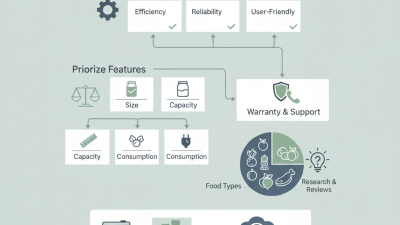
Choosing freeze drying equipment is a crucial decision for any buyer. The selection process should start with understanding your specific needs. Consider the scale of production required. Smaller operations may need compact, less powerful units. Larger facilities might require high-capacity machines.
Energy efficiency is also a key factor. Equipment that consumes less power can significantly reduce operating costs. Researching energy ratings can provide insights into potential savings. Additionally, pay attention to maintenance requirements. Some equipment may demand more frequent servicing, impacting long-term reliability.
Another aspect to ponder is the availability of technical support. Is there a responsive customer service team? Support is essential for troubleshooting issues that arise during operation. Finally, examine user reviews. They often reveal real-world experiences that can guide your decision. Make sure to reflect on all these elements for a more informed choice.
Top 10 Freeze Drying Equipment Brands in the Market
Freeze drying, also known as lyophilization, has become essential in various industries. The demand for freeze drying equipment is on the rise globally. According to a market analysis, the global freeze drying equipment market is projected to grow at a CAGR of 8.7% from 2023 to 2030. This growth highlights the increasing reliance on freeze drying for preserving food, pharmaceuticals, and laboratory samples.
Several brands dominate the freeze drying equipment market, but their performance can vary significantly. For instance, companies that prioritize energy efficiency tend to be favored. Each brand offers unique features, such as innovative drying technology or compact designs. However, not all brands achieve a balance between efficiency and cost. Potential buyers should evaluate their specific needs before making a decision.
**Tips:** Always check reviews and case studies. They provide insights into the reliability of the equipment. Look for user testimonials regarding maintenance and upgrades. Investing in a trusted brand can save future hassles. Remember, the cheapest option may lead to compromises in quality. Don't rush; thorough research will pay off.
Comparison of Features and Prices of Top Freeze Dryers
When considering freeze drying equipment, key features and pricing can greatly influence buyer decisions. Not all models are created equal. Each unit varies in capacity, functionality, and technology. High-quality freeze dryers often include advanced monitoring systems, ensuring precise control over the drying process. Many users find that models with larger capacities are essential for high-volume production, while smaller units may suffice for personal use.
Price ranges for freeze dryers can fluctuate significantly based on features. Basic models may start at a few thousand dollars, while advanced systems can exceed ten thousand. Investing in reliable equipment often pays off over time. Buyers should weigh the benefits of features against their budget. Features that ensure energy efficiency and user-friendly operation are must-haves for many.
Reflecting on past experiences can guide future purchases. Some users have reported disappointment with inexpensive models that failed to maintain proper temperatures during operation. Others noted a steep learning curve with complex units. It's crucial to assess both immediate needs and long-term usage when making a decision. Gathering feedback from multiple sources offers valuable insights to buyers navigating this evolving market.
Top 10 Freeze Drying Equipment - Features and Prices Comparison
User Testimonials and Case Studies for Freeze Drying Equipment
User testimonials and case studies play a critical role in understanding the effectiveness of freeze-drying equipment. According to a recent market report by Research and Markets, the freeze-drying market is projected to reach $3.3 billion by 2026. This growth is driven by rising demand in sectors like pharmaceuticals and food processing. User experiences can help illuminate the specific benefits and challenges they face.
For instance, one user shared insights on efficiency improvements after integrating advanced freeze-drying technology. Their production speed doubled, reducing waste significantly. However, they noted the initial setup cost was high, which might deter smaller companies. Another case highlighted how a plant increased shelf life of products by 18 months, a game-changer for meal prep services. Yet, some limitations surfaced regarding energy consumption and maintenance requirements.
Real-world applications often reveal that not everything is as straightforward as it seems. Users often discuss the necessity for ongoing training to maximize equipment capabilities. The expertise of operators can drastically impact the success of freeze drying processes. Feedback and testimonials are essential in identifying areas for improvement, ensuring that the technology evolves to meet user needs effectively.