Top 10 Hydraulic and Construction Castings You Need to Know?
Hydraulic And Construction Castings are essential components in modern infrastructure and machinery. According to recent industry reports, the global hydraulic casting market is projected to reach $15 billion by 2027, driven by advancements in construction technology and increased investment in infrastructure. These castings ensure efficiency and reliability, playing a critical role in hydraulic systems and heavy equipment.
However, not all hydraulic and construction castings are created equal. Quality varies significantly among manufacturers. A report from the International Journal of Cast Metals Research highlights that defects in castings can lead to costly project delays and safety hazards. This underscores the importance of using reputable suppliers and understanding the specific requirements for different applications.
Selecting the right castings requires a nuanced approach. Factors such as material selection, casting techniques, and design specifications can greatly impact performance. Despite the wealth of information available, many professionals still overlook these details, leading to suboptimal choices. In a rapidly evolving market, staying informed about the top hydraulic and construction castings is necessary for success and innovation in the field.
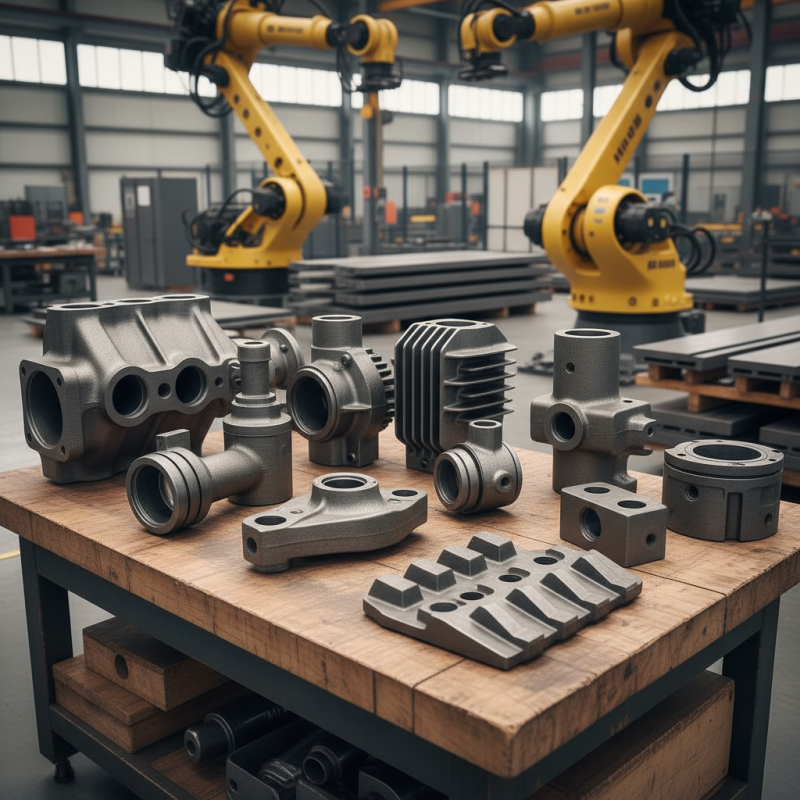
Top Hydraulic Castings: Overview of Key Applications and Benefits
Hydraulic castings play a critical role in various industries, particularly in construction and heavy machinery. They are essential components in hydraulic systems, providing strength and durability. Key applications include excavators, cranes, and forklifts. These castings withstand high pressure and extreme conditions, ensuring reliable operation. The use of hydraulic castings enhances the performance of equipment, allowing for efficient material handling and precise movements.
The benefits of hydraulic castings extend beyond mere functionality. They contribute to safety by minimizing the chance of system failures. Additionally, the design flexibility allows manufacturers to create customized shapes for specific applications. However, it’s important to recognize that not all hydraulic castings are created equal. Flaws in casting processes can lead to weaknesses, posing risks in high-demand environments. Considering quality and sourcing methods is crucial to ensure reliable performance.
Understanding the nuances of hydraulic castings helps companies make informed decisions. Engineers and designers must evaluate the material properties for suitability in their projects. The complexity of these components can lead to oversights that impact the overall system. Therefore, ongoing education and quality assessments are vital in mastering this field. The potential for failure is real, highlighting the need for continuous improvement and vigilance.
Top 10 Hydraulic and Construction Castings
Understanding Construction Castings: Materials and Manufacturing Processes
Construction castings play a crucial role in hydraulic systems and various structures. Understanding the materials used is essential. Common materials include cast iron, steel, and aluminum. Each material provides different strength and flexibility. Cast iron is durable but brittle. It can withstand high temperatures but may crack under stress. Steel offers superior strength but is heavier. Aluminum is lightweight and corrosion-resistant.
The manufacturing processes for these castings vary significantly. Sand casting is popular for its flexibility and cost-effectiveness. This method involves pouring molten metal into a sand mold. It yields complex shapes. However, the surface finish can be rough. Investment casting, on the other hand, provides a fine finish. This method uses a wax pattern, creating a smooth surface. Yet, it can be more expensive.
It's important to recognize the challenges in these processes. Quality control is vital. Flaws can lead to costly failures. Therefore, manufacturers must continuously improve techniques. Innovation in casting technology is ongoing. New methods may enhance efficiency and reduce waste. Understanding these aspects can help professionals make informed decisions.
Market Trends: The Demand for Hydraulic and Construction Castings in 2023
The demand for hydraulic and construction castings is on the rise in 2023. Industries are evolving, prompting a need for more efficient machinery. Increased infrastructure spending drives this trend. Companies seek durable, high-quality castings for their projects.
Manufacturers are focusing on innovation. They explore advanced materials and production methods. This shift improves the performance and lifespan of castings. However, challenges remain. Sourcing reliable raw materials can be difficult. Quality control must also be prioritized to meet industry standards.
Sustainability is another pressing concern. The industry faces pressure to reduce emissions. Adopting eco-friendly practices is not just an option; it’s a necessity. Yet, many find transitioning difficult. It requires investment and time, and not all companies are ready. Balancing demand with responsible practices is essential for future growth.
Key Players in the Hydraulic and Construction Castings Industry
The hydraulic and construction castings industry plays a vital role in infrastructure development. Numerous key players shape this competitive landscape. They offer a range of solutions, from hydraulic pumps to heavy machinery parts. Each company's approach reflects its expertise and innovation in casting technology.
Some manufacturers emphasize environmental sustainability in their production methods. They focus on reducing waste and improving energy efficiency. Others prioritize strength and durability in their materials. However, the industry faces challenges, such as fluctuating raw material costs and changing regulations. These factors can impact production timelines and pricing strategies.
Collaboration among these key players is essential for advancements. They share knowledge and technology to push the boundaries of casting efficiency. Understanding market trends and addressing customer needs can drive growth. Nevertheless, the pursuit of excellence in casting demands constant reflection and adaptation. Each firm must evaluate its practices to remain competitive in a rapidly evolving market.
Safety Standards and Regulations for Hydraulic and Construction Castings
Safety standards and regulations for hydraulic and construction castings are crucial. They ensure the reliability of components used in heavy machinery. These castings must withstand significant stress and pressure. Poor quality can lead to accidents and unplanned downtime. Therefore, understanding these regulations is vital for manufacturers and operators alike.
Regulatory bodies establish guidelines that address material strength, dimensional accuracy, and surface finish. For instance, certain castings must pass rigorous testing for durability. Standards often differ by region, affecting global operations. Regular audits may be necessary to confirm compliance. Many companies struggle with these requirements, which can vary widely.
Investing in proper training is essential. Staff need to be aware of how to meet compliance standards. While some may cut corners to save time, that approach can backfire. Careful attention to detail in the casting process minimizes risks. A lapse in adherence to safety standards could result in catastrophic failure. This underscores the need for consistent evaluation of practices and regulations.
Top 10 Hydraulic and Construction Castings You Need to Know
| Casting Type | Material | Applications | Safety Standards |
| Hydraulic Cylinder Castings | Cast Iron | Excavators, Forklifts | ISO 9001, CE |
| Gearbox Housing Castings | Aluminum Alloy | Heavy Machinery | ASME, OSHA |
| Pump Castings | Ductile Iron | Hydraulic Pumps | SAE, API |
| Valve Body Castings | Steel | Control Valves | ANSI, NFPA |
| Frame Castings | Carbon Steel | Construction Equipment | ISO 14001 |
| Housing Castings | Grey Iron | Machinery | ISO, ASTM |
| Pump Mounting Castings | Aluminum | Hydraulic Systems | MIL-STD |
| Bracket Castings | Iron | Support Structures | ISO 45001 |
| Plate Castings | Steel | Frameworks | DIN, JIS |
| Housing Castings | Aluminum | Valves and Pumps | CE, ISO 9001 |