
Cuddon Freeze Dry Logo

Top 10 Types of Melatonin Gummies for Global Buyers?

Melatonin Gummies have become a familiar sleep-support format for consumers seeking convenient, measured servings. Global buyers now face a crowded shelf, from sugar-free formulas to vegan pectin options. The difference is not always obvious in a colorful package. Some products offer low-dose gummies, while others use extended-release, fast-dissolving, or botanical blends. Each type deserves careful review.

Dr. Rafael Pelayo, a sleep medicine specialist, states, “Melatonin is a hormone, not a sleeping pill.” This reminder matters when evaluating product claims. Melatonin Gummies should be assessed by ingredient transparency, serving size, manufacturing controls, and clear usage instructions. Buyers should also examine third-party testing, batch information, allergen statements, and child-resistant packaging. Those details can reveal more than a bright label.

This guide explores the top 10 types of Melatonin Gummies for global buyers. It considers sugar content, dietary preferences, flavor design, dosage flexibility, and formulation purpose. Regional rules may differ widely. A product accepted in one market may require different labeling elsewhere. Importers should verify local requirements before purchasing. Health professionals may also provide useful guidance, especially for children, older adults, pregnant individuals, or people using medicines.

Quality is not guaranteed by popularity.

Some categories overlap. That is where evaluation becomes difficult. A “natural” gummy may still contain added sugar or several active ingredients. A premium-looking jar may provide limited testing evidence. This guide does not treat marketing language as proof. It focuses on practical comparison, while acknowledging that consumer needs, regulations, and scientific expectations continue to change.
Top 10 Types of Melatonin Gummies for Global Buyers?

Defining Melatonin Gummies: Forms, Doses, and Global Buyer Criteria

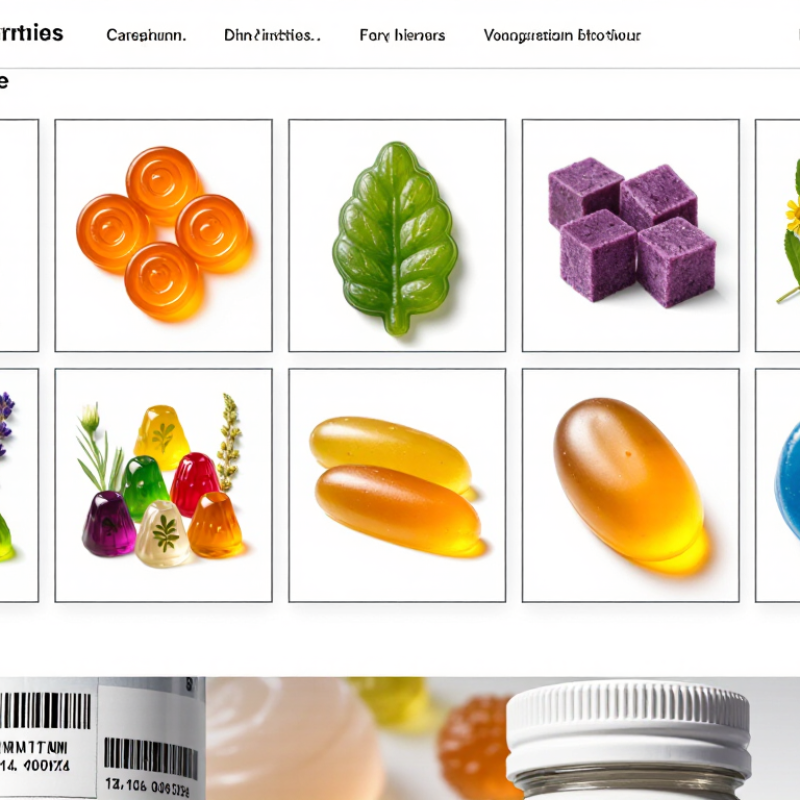
Melatonin gummies are chewable oral supplements designed to deliver a measured amount of melatonin. Their form can vary widely. Common categories include gelatin gummies, pectin-based vegan gummies, sugar-free gummies, fruit-flavored gummies, low-dose adult gummies, higher-dose adult gummies, single-layer gummies, coated gummies, plant-based gummies, and age-specific products. Some are soft and glossy, while others feel firmer after exposure to heat.

Dose requires careful comparison. A serving may contain one gummy or several pieces, so buyers should check melatonin per piece and per serving. Labels should show ingredient quantities in milligrams, serving size, recommended age range, allergens, storage conditions, and expiration dates. “More” does not automatically mean better. Dose rules and permitted claims differ between countries, and some markets treat melatonin as a supplement while others apply stricter controls.

Global buyers also need evidence behind the label. Look for batch testing, identity testing, microbiological results, heavy-metal screening, and stability data. Packaging should protect gummies from moisture, light, and high temperatures during shipping. Child-safety deserves attention because gummies can resemble candy. I have seen attractive packaging create confusion about serving size. That is a preventable weakness. Buyers should verify manufacturing standards, import requirements, language rules, and claim restrictions before ordering. A supplier’s certificate alone may not explain every risk. Independent documentation is better.

Top 10 Types of Melatonin Gummies for Global Buyers

This chart compares common melatonin gummy formats by their typical labeled melatonin dose per serving. Actual formulas vary by market, age guidance, regulatory requirements, and manufacturer specifications.

Global buyers commonly assess dose clarity, gummy form, sugar content, vegan suitability, ingredient combinations, packaging stability, labeling compliance, and shelf life. The dose values shown are representative label amounts rather than market-share data or medical recommendations.

Ten Types by Formula: Fast-, Extended-Release, Vegan, and Blended Gummies

Top 10 Types of Melatonin Gummies for Global Buyers

Formula design matters when comparing melatonin gummies across international markets. Fast-release gummies dissolve quickly and suit buyers seeking a simple, single-phase formula. Extended-release gummies are designed for gradual release, although performance can vary between products. Dual-release gummies combine both approaches. This sounds ideal, but real results still depend on the finished product. Vegan pectin gummies avoid gelatin, while gelatin-based gummies may offer a different texture. Sugar-free and reduced-sugar versions support buyers with specific dietary preferences. Single-ingredient gummies provide a clearer label. Botanical-blended gummies may include plant extracts, while vitamin- or mineral-blended formulas combine melatonin with declared nutrients. Extra ingredients require careful regulatory review.

Tips: Check the active amount per serving, not only the front label. Review allergen statements, sweeteners, stability data, and batch testing. A certificate of analysis helps, but independent laboratory verification offers stronger assurance. Global buyers should also confirm language rules, permitted claims, and import requirements in each destination. Suppliers should provide traceable raw-material records and consistent specifications. Flavor matters for repeat use, but it should never hide unclear dosing.

I would not select a formula by appearance alone. That mistake is easy. Some blended gummies look sophisticated, yet their labels may complicate compliance. Start with the intended user, target market, and evidence behind every ingredient. Protein texture, moisture control, and heat stability also deserve attention during shipping. Small details can change the final product.

Top 10 Types of Melatonin Gummies for Global Buyers? – Ten Types by Formula: Fast-, Extended-Release, Vegan, and Blended Gummies

Product-development reference table. Typical specifications vary by market, formulation, serving size, and applicable regulations.
No. Gummy Type Core Formula Typical Melatonin Range per Serving Release Profile Typical Use Positioning Key Formulation Considerations Global Buyer Notes
1 Fast-Release Melatonin Gummies Melatonin in a conventional pectin or gelatin gummy base; no intentional release-modifying system. 0.5–5 mg Designed for relatively rapid dissolution after chewing; exact absorption time depends on the individual and product matrix. Occasional bedtime use and adjustment to a new sleep schedule. Requires uniform melatonin distribution, stable potency, acceptable flavor, and protection from heat and moisture. The simplest format for broad-market launches; dose limits and permitted claims differ by country.
2 Extended-Release Melatonin Gummies Melatonin incorporated into a matrix, coated particle, or other release-modifying delivery system. 1–5 mg Intended to release melatonin over a longer period than a conventional gummy; performance must be verified by testing. Buyers seeking longer overnight coverage rather than rapid initial release. Chewing can affect a release system, so dissolution and stability studies are important. “Extended-release” should be supported by documented in-vitro release data and market-specific claim review.
3 Dual-Release Melatonin Gummies A combination of immediately available melatonin and a second fraction designed for slower release. 1–5 mg total A rapid first phase followed by a slower phase, subject to formulation validation. Products positioned around both sleep initiation and maintaining a consistent release profile. Requires accurate control of the two melatonin fractions and careful batch-to-batch testing. More technically complex and usually requires stronger technical documentation for importers and retailers.
4 Vegan Pectin Melatonin Gummies Pectin gel system using plant-derived gelling agents instead of gelatin. 0.5–5 mg Usually conventional, immediate-release behavior unless a separate release technology is used. Plant-based, vegetarian, and vegan product portfolios. Pectin texture is sensitive to pH, solids content, moisture, and processing temperature. Vegan status should cover the gummy, flavors, colors, processing aids, and capsule-free packaging claims where applicable.
5 Gelatin Melatonin Gummies Gelatin-based gummy with melatonin dispersed in the finished serving. 0.5–10 mg Generally conventional release unless modified-release ingredients are added. Consumers who prefer a softer, elastic gummy texture. Gelatin source, allergen controls, texture stability, and heat sensitivity should be documented. Animal-derived ingredients may affect halal, kosher, vegetarian, and vegan market suitability.
6 Sugar-Free Melatonin Gummies Melatonin gummy sweetened with polyols or high-intensity sweeteners rather than ordinary sucrose. 0.5–5 mg Normally conventional release; release behavior depends on the base and any added technology. Lower-sugar product lines and consumers monitoring sugar intake. Excessive polyol consumption may cause gastrointestinal discomfort; flavor masking and texture require optimization. “Sugar-free,” “no added sugar,” and carbohydrate declarations have different legal meanings in different markets.
7 Low-Dose Melatonin Gummies A conventional gummy formulated with a relatively small amount of melatonin per serving. 0.1–1 mg Typically conventional release. Consumers who prefer a lower starting amount and flexible serving adjustment. Very low-dose uniformity requires precise blending, validated analytical testing, and an accurate serving measure. Lower-dose positioning may be easier to align with conservative labeling requirements, but local rules still control.
8 Melatonin + L-Theanine Gummies Melatonin combined with L-theanine, an amino acid commonly used in relaxation-oriented formulations. 0.5–5 mg melatonin plus 50–200 mg L-theanine Usually conventional release unless separately modified. Blended evening relaxation and sleep-support formulas. High active load can increase gummy size, bitterness, hygroscopicity, and flavor-masking requirements. Ingredient legality, permitted structure/function wording, and evidence expectations should be checked by destination market.
9 Melatonin + Botanical Blend Gummies Melatonin combined with selected botanicals such as chamomile, lemon balm, or passionflower. 0.5–5 mg melatonin plus standardized botanical extracts Usually conventional release. Plant-forward, multi-ingredient evening formulas. Extract identity, plant part, solvent, marker compounds, allergens, contaminants, and botanical flavor interactions require control. Botanical restrictions and health-claim rules vary substantially across regions; avoid unsupported therapeutic claims.
10 Melatonin + Vitamin and Mineral Gummies Melatonin combined with selected nutrients such as vitamin B6, magnesium, or zinc. 0.5–5 mg melatonin plus market-appropriate nutrient amounts Usually conventional release. Nutrient-plus-sleep-support portfolios and daily wellness products. Minerals may create metallic notes, color changes, or texture issues; total daily intake must be assessed across all products. Nutrient reference values, maximum levels, fortification rules, and claims differ by jurisdiction.

Usage Evidence: NCCIH Reports 2.1% of U.S. Adults Used Melatonin in 2017–18

Melatonin gummies now appear in many forms for global buyers: standard-dose, fast-dissolving, sugar-free, vegan, and extended-release varieties. Yet the NCCIH reports that 2.1% of U.S. adults used melatonin in 2017–18. This figure concerns melatonin use overall, not gummies alone. That distinction matters.

Usage does not prove that every gummy works equally well. Formulation, dose accuracy, added sugars, and release speed can differ between products and regions. A gummy may feel convenient, especially for adults who dislike tablets. Still, convenience is not clinical evidence. Buyers should check the stated melatonin amount, serving size, ingredient list, storage instructions, and independent quality testing where available.

Timing also deserves care. Melatonin is commonly used to support sleep timing, but individual responses vary. Some people report vivid dreams, morning tiredness, or no noticeable benefit. Evidence for long-term, routine use remains less complete than many advertisements suggest. Pregnant or breastfeeding individuals, children, older adults, and people taking medicines should seek qualified medical advice before use. Labels can be imperfect. Consumers should treat the 2.1% statistic as a population snapshot, not a personal recommendation.

Safety and Quality: NIH Evidence, Dose Accuracy, Allergens, and Testing

Top 10 Types of Melatonin Gummies for Global Buyers?

Melatonin gummies vary by dose, texture, sweetener, and release design. Common options include low-dose, sugar-free, vegan, gelatin-based, fast-dissolving, and flavor-free formulas. Some products combine melatonin with herbs, minerals, or calming nutrients. Extra ingredients are not automatically better. NIH evidence suggests melatonin may support jet lag and some delayed sleep patterns, but benefits differ between users. It is not a guaranteed sleep solution.

Dose accuracy deserves close attention. A label stating 1 mg should match laboratory results across the batch. Buyers should request a certificate of analysis showing melatonin assay, microbial limits, heavy metals, and stability testing. Independent testing offers stronger evidence than attractive packaging. Look for batch numbers, expiry dates, storage guidance, and documented manufacturing controls. Gummies can absorb moisture, so a sticky texture may signal poor storage or aging.

Check allergens carefully. Gelatin, dairy traces, soy, gluten, artificial colors, and shared equipment may matter to sensitive consumers. Vegan formulas still need clear cross-contact statements. Children, pregnant individuals, older adults, and people using medicines should seek professional advice before use. Melatonin can interact with some treatments and may cause next-day drowsiness. Local labeling and supplement rules differ worldwide, so buyers should verify requirements before importing or selling. I would not trust a perfect-looking claim without accessible test records.

Global Buyer Matrix: Ten Types Compared by Claims, Compliance, and Cost

Top 10 Types of Melatonin Gummies for Global Buyers?

A practical buyer matrix should compare ten formats: standard, low-dose, sugar-free, vegan pectin, gelatin, organic-positioned, fast-dissolving, children’s, herbal-blend, and extended-release. Each format changes claims, documentation, and landed cost. Grand View Research reported a double-digit growth outlook for the global melatonin supplements market through 2030. Yet market growth does not remove regulatory differences.

Claims need careful wording. “Supports a normal sleep routine” is generally safer than disease-related language. Buyers should request certificates of analysis, identity testing, allergen statements, stability data, and batch traceability. In the United States, FDA oversight separates dietary supplements from medicines, while European markets apply different food-supplement and health-claim controls. Packaging translation also matters. A perfect English label may fail local review.

Cost is not only ingredient price. Pectin, flavor masking, low-sugar systems, child-resistant packaging, and third-party testing can raise manufacturing costs. USP dietary supplement quality programs show why verification adds value, although certification is not a universal legal requirement. IQVIA and other health-market analyses consistently show stronger scrutiny around consumer health claims. That scrutiny is useful.

Some buyers still compare gummies by price per jar. This can mislead. A cheaper product may require new artwork, reformulation, or extra testing in another market. I would also question “extended-release gummy” claims unless release data are available. The category remains commercially attractive, but dosage rules and acceptable wording are not globally uniform. Mistakes happen.