
An Automatic Transmission Filter is a small component with a demanding job: it helps trap clutch material, metal particles, and other debris before they circulate through the transmission. Picture hot fluid carrying fine grit past narrow hydraulic passages and delicate valve surfaces. Even small contamination can contribute to restricted flow, erratic shifts, or accelerated wear. The filter cannot prevent every failure, but it helps protect the system that controls how power reaches the wheels.
The Automatic Transmission Rebuilders Association (ATRA) provides technical resources for transmission professionals, while automakers’ maintenance schedules show why service guidance must be vehicle-specific. There is no single replacement interval that suits every transmission. Driving conditions, transmission design, and the manufacturer’s instructions all matter. Transmission specialist Wayne Colonna’s technical guidance can be summed up as a practical reminder: “Service the transmission according to its design and the manufacturer’s procedure.” That is a paraphrase, not a verbatim quotation. Check the owner’s manual and service information for the exact filter type, fluid, and procedure. Small details matter. A poorly seated filter or incorrect fluid level can undermine otherwise careful maintenance. The filter is easy to overlook, and service records may not tell the whole story. Regular inspection and informed maintenance give owners a clearer picture of what is happening inside the transmission.
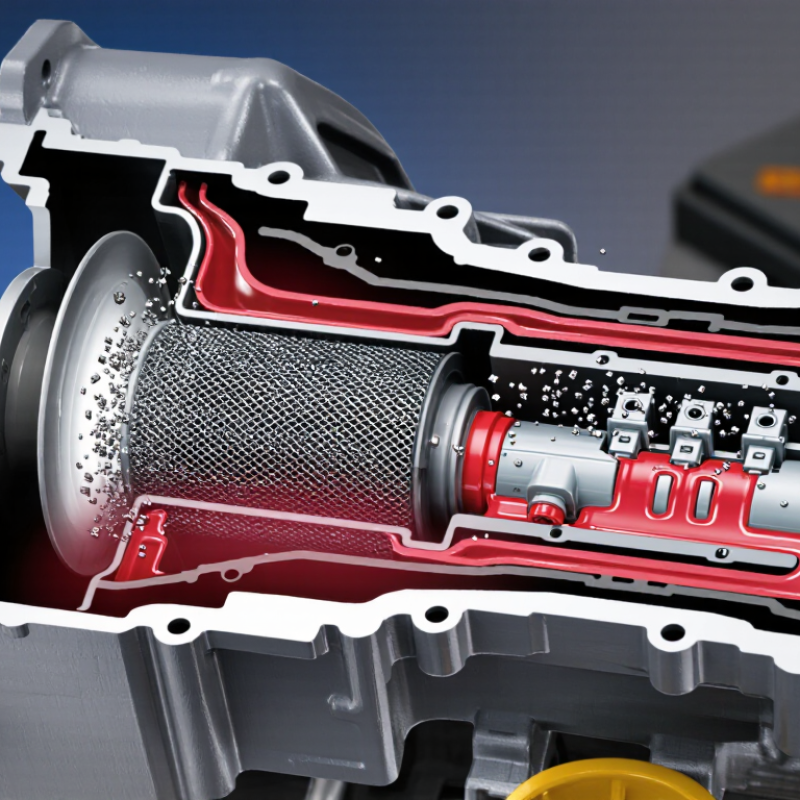
An automatic transmission filter sits in the fluid circuit, often in the sump beneath the transmission pan. The pump draws fluid through its screen or filter media before sending it through narrow passages, valves, and clutch packs. The filter traps particles such as metal wear debris and clutch material. Small particles matter. They can interfere with valves that regulate hydraulic pressure. A filter does not remove every contaminant, and its design varies by transmission.
The ISO 4406:2021 cleanliness standard classifies fluid by counting particles in three size bands: 4 μm and larger, 6 μm and larger, and 14 μm and larger. This shows why filtration involves more than catching visible grit. In service, a restricted filter can reduce fluid flow and pressure; symptoms may include delayed engagement or slipping. These signs are not proof of a clogged filter, though. Low fluid, worn parts, or other faults can produce similar symptoms.
Tip: Follow the vehicle’s service instructions for fluid and filter checks. If the pan is removed, note the debris and inspect the magnet; a light gray paste can be normal, but flakes or heavy metal fragments deserve professional diagnosis. Don’t assume every filter is routinely replaceable: some are internal, and access may require substantial disassembly.
An automatic transmission filter helps keep the fluid moving through the system free of harmful debris. As gears, bearings, and clutch plates work, tiny particles can wear away and enter the fluid. The filter traps many of them before they circulate again. That matters. Clean fluid helps protect close-fitting passages and valves, where even small deposits can interfere with smooth operation.
The filter does not make fluid spotless or remove every contaminant. Some particles are too fine to catch, and heat can gradually change the fluid itself. A clogged filter may also restrict flow, which can contribute to poor shifting or reduced hydraulic pressure. Not every transmission uses the same filter design or service interval, so the owner’s manual or a qualified technician is the safest guide. It is tempting to think a filter lasts forever, especially when shifting still feels normal. That assumption can be wrong. On some vehicles, the filter sits inside the transmission and takes more labor to reach, so checking the correct maintenance schedule is worthwhile.
How the filter helps keep Transmission Fluid clean
Transmission filters help trap debris before it continues circulating with the fluid. This chart shows standard ISO 4406 particle-count bands: lower cleanliness codes correspond to fewer particles per milliliter. The bands apply independently to each particle-size threshold; they are not test results for a particular transmission.
An automatic transmission filter helps protect the valve body, solenoids, pump, bearings, and clutch packs. These parts depend on clean fluid. A small metal flake can score a precision valve bore; friction material can also restrict a narrow passage. The effects may show up as delayed shifts, pressure loss, or excess heat. Not every shift problem comes from a dirty filter, though.
ISO 16889:2022 describes a multipass test for measuring filter-element performance. In that method, a beta ratio of 200 means the element captures 99.5% of particles at the specified size under test conditions. That is a useful benchmark, not a promise of identical performance inside every transmission. ISO 4406:2021 classifies fluid cleanliness by particle counts; each one-code rise represents roughly twice the particle concentration in that range. Even small changes matter.
Filters do not stop all wear. Very fine particles may pass through, while a clogged filter can reduce fluid flow. A technician should check the vehicle’s service procedure and inspect the fluid and pan for debris. Dark fluid alone is not a diagnosis. A few clean-looking drops can be misleading, too. The filter, fluid condition, and transmission symptoms need to be assessed together.
A clogged or damaged automatic transmission filter may restrict fluid flow, especially when the transmission is cold. You might notice delayed engagement, slipping, rough shifts, or a rising temperature reading. Some drivers hear a faint whine as the pump struggles to draw fluid. These signs are not proof of a bad filter. Low fluid, worn internal parts, or electrical faults can feel similar.
Inspection helps separate clues from guesses. A technician can check fluid level and condition, scan for fault codes, and inspect the pan for debris. The ISO 4406 cleanliness standard counts particles in three size bands: 4, 6, and 14 micrometres or larger. Each code step represents roughly a doubling in particle concentration. That measurement system illustrates why small contaminants matter, but it is not a universal transmission-filter replacement threshold. Dark fluid or a burnt smell deserves attention, though neither confirms a blocked filter by itself. I would avoid replacing parts based on one symptom alone. If shifting changes suddenly, stop driving when safe and arrange a professional inspection before further damage develops.
| Observation or Sign | How a Filter Problem Could Contribute | Other Possible Causes | Recommended Next Step | Priority |
|---|---|---|---|---|
| Delayed engagement when selecting Drive or Reverse | A restricted filter may reduce fluid flow and contribute to low hydraulic pressure, delaying clutch engagement. | Low fluid level, incorrect fluid, internal wear, or a hydraulic control fault. | Check for leaks and have the fluid level and condition checked using the vehicle maker’s procedure. | Prompt inspection |
| Slipping, flare, or unexpected changes in engine speed during shifts | Restricted fluid flow can affect hydraulic pressure, although a filter issue is only one possible explanation. | Low fluid, worn clutch components, solenoid problems, or other transmission faults. | Arrange a transmission diagnosis soon; avoid heavy loads and continued driving if slipping is severe. | High |
| Harsh or inconsistent shifting | A damaged or obstructed filter may interfere with fluid supply and shift operation. | Old or incorrect fluid, sensor or control-system issues, or mechanical wear. | Have the fluid, diagnostic codes, and transmission operation checked before replacing parts. | Prompt inspection |
| Whining or unusual transmission noise | In some designs, restricted fluid flow can contribute to pump noise or inadequate lubrication. | Low fluid, a worn pump, bearing wear, or other internal problems. | Check for leaks and seek diagnosis, especially if the noise changes with vehicle speed or gear selection. | Prompt inspection |
| Transmission temperature warning or overheating | A flow restriction may contribute to excess heat, but a filter alone cannot be assumed to be the cause. | Heavy towing, low fluid, a cooling-system problem, or internal transmission trouble. | Stop safely and follow the vehicle manual’s warning guidance. Do not continue driving if the warning persists. | Urgent |
| Unusual fluid condition or debris found during service | A clogged filter may contain accumulated particles; a damaged filter or seal may fail to keep debris out of the fluid circuit. | Normal wear, internal component damage, or fluid that has deteriorated from heat or age. | Have the debris and fluid condition assessed. Follow the specified service procedure; avoid a flush unless it is appropriate for the vehicle. | Prompt inspection |
| No clear symptoms, but service is due | The filter helps trap contaminants and maintain fluid flow; its service needs depend on the transmission design. | Service intervals vary by vehicle, operating conditions, and filter accessibility. | Consult the owner’s manual or a qualified technician for the correct fluid, filter, and maintenance interval. | Routine maintenance |
Note: These symptoms are not specific to a clogged or damaged filter. Filter location, replacement requirements, and service procedures vary by transmission. Confirm the cause with vehicle-specific diagnosis.
An automatic transmission filter traps clutch material, metal particles, and other debris before they circulate through narrow hydraulic passages. As the filter loads up, restricted flow can affect pressure and shift quality. A delayed shift is not proof of a clogged filter, though; fluid condition, sensors, and internal wear can cause similar symptoms.
Replacement requirements vary by transmission design. Some units have a serviceable filter beneath the pan; others use an internal screen or specify inspection rather than routine replacement. Follow the vehicle’s maintenance schedule, especially if it lists severe-use conditions such as towing, frequent stop-and-go driving, or high operating temperatures. ISO 4406:2021 classifies hydraulic-fluid cleanliness using particle counts at 4, 6, and 14 micrometres. It offers a useful cleanliness framework, but it does not prescribe a universal transmission-filter interval. The owner’s manual and a qualified technician’s inspection remain more relevant. Service advice can be confusing.
Tips: Check the maintenance schedule before buying parts. If the pan is removed, inspect it for unusual metal fragments and replace the pan gasket when specified. Use the correct fluid and filter, then verify the level at the required temperature. A little uncertainty is normal: symptoms alone rarely identify the filter as the cause.