Why Choose an Outdoor Steel Enclosure Box?
Why Choose an Outdoor Steel Enclosure Box?
Outdoor electrical equipment faces rain, dust, sunlight, temperature swings, and accidental impact. A properly designed Outdoor Steel Enclosure Box creates a strong barrier around sensitive components. It can protect control panels, power supplies, batteries, communication devices, and industrial automation systems.
“An enclosure is the first line of defense for electrical reliability,” says David L. Eng, an industrial enclosure design specialist with more than twenty years of field experience. His observation is practical, not merely theoretical. A poorly sealed box can allow moisture to collect around terminals. Small failures may then become expensive shutdowns.
Steel also offers useful mechanical strength. It resists dents near loading areas, factory walls, roadside cabinets, and outdoor service platforms. With powder coating, galvanizing, or another suitable finish, it can withstand many demanding environments. The right solution still depends on local exposure. Coastal air, chemical vapors, and direct heat require careful material and coating choices.
Size matters too. Crowded wiring restricts airflow and complicates maintenance. An oversized enclosure may waste space and increase installation costs. There is no universal box.
That is worth remembering.
Reliable protection requires more than thick steel. Designers should check ingress protection, drainage, hinges, locks, grounding, ventilation, and cable entry points. They should also review temperature limits and maintenance access before installation.
Steel is not magic. Even a high-quality Outdoor Steel Enclosure Box can fail when seals age or condensation remains trapped inside. Regular inspection is easy to overlook, yet it may prevent a minor defect from becoming a serious equipment problem. Choosing well means balancing strength, corrosion resistance, safety, serviceability, and long-term operating conditions.
What Is an Outdoor Steel Enclosure Box?
Why Choose an Outdoor Steel Enclosure Box?
What Is an Outdoor Steel Enclosure Box?
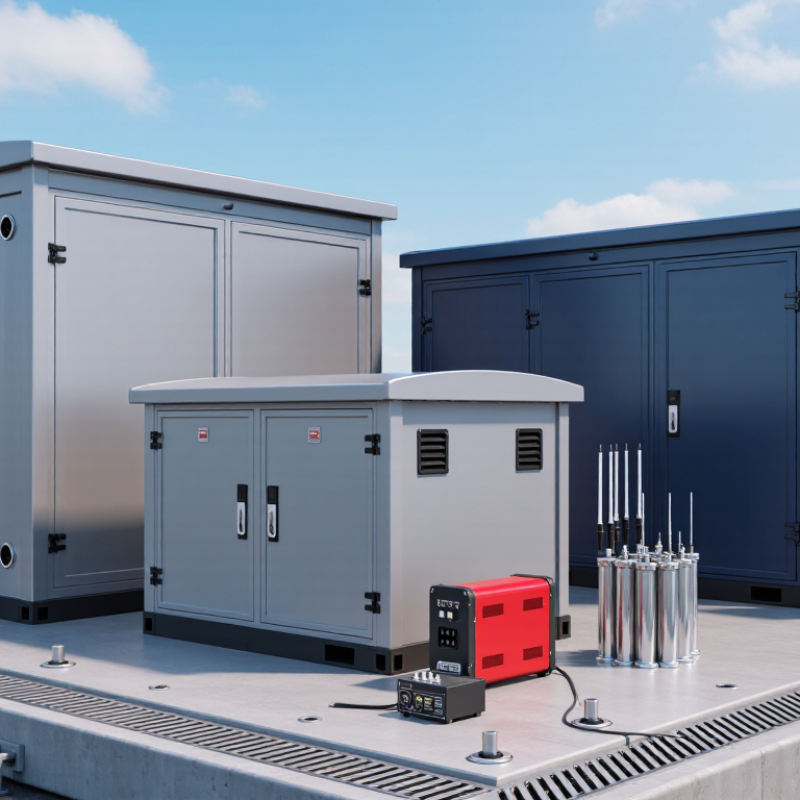
An outdoor steel enclosure box is a protective cabinet for electrical, control, or communication equipment installed outside. Its steel body helps resist knocks and everyday physical wear. A door, gasket, and suitable coating help limit exposure to rain, dust, and corrosion. Protection depends on the enclosure’s tested rating, not steel alone.
The NOAA National Centers for Environmental Information recorded 28 separate U.S. billion-dollar weather and climate disasters in 2023. That figure does not measure enclosure failures, but it shows why outdoor equipment needs careful protection. Check the applicable NEMA or IEC 60529 rating against the actual site conditions. Consider driving rain, airborne grit, coastal salt, temperature changes, and service access. A strong cabinet can still fail if its gasket is damaged or condensation builds inside. That distinction gets missed. Steel is durable, but it is not automatically rustproof.
Tip: Match the enclosure rating to the exposure, then inspect seals and coating during routine maintenance. Look for water paths around cable entries. A small installation detail can matter. I would also leave enough interior space for wiring and airflow; packing it tightly is tempting, but heat has nowhere to go.
How Steel Construction Protects Outdoor Equipment
Why Choose an Outdoor Steel Enclosure Box?
How Steel Construction Protects Outdoor Equipment
Outdoor equipment faces more than rain. Windblown grit, temperature swings, and accidental knocks can all shorten its working life. A steel enclosure provides a rigid barrier around controls, wiring, and sensitive components. Its strength helps resist dents that might otherwise press against internal parts.
Protection depends on more than the metal itself. A suitable outdoor finish helps slow corrosion, while a well-fitted door and intact gasket limit water and dust entry. Hinges, seams, cable glands, and fasteners deserve attention too. Weak points often hide there. A neat-looking box is not automatically weatherproof; check its stated protection rating and install it as specified.
Steel also handles routine service work well. Technicians can open the door, inspect terminals, and close it securely without the housing feeling flimsy. In exposed locations, secure mounting reduces movement during gusts or vibration. Keep the enclosure clear of standing water, and avoid blocking ventilation where equipment generates heat. One honest drawback: a deep scratch can expose bare steel. Touch-up coating and periodic checks are easy to overlook, but they matter. A little care helps the enclosure protect equipment over years outdoors.
Where Outdoor Steel Enclosure Boxes Are Commonly Used
Outdoor steel enclosure boxes protect electrical and control equipment where weather, dust, and accidental contact are real concerns. Their sturdy walls help shield circuit breakers, terminal blocks, sensors, and communication devices. Proper sealing also reduces the risk of moisture reaching sensitive components.
These boxes are common beside factory buildings, loading areas, and outdoor production lines. Technicians often mount them near pumps, motors, lighting controls, or monitoring instruments. Utility sites use them for metering and distribution equipment. Construction projects may place temporary controls inside them, especially where mud and flying debris are present. Agricultural facilities also rely on enclosures near irrigation systems, barns, and ventilation equipment.
Remote locations need careful planning. An enclosure beside a coastal road may face salt air, while one near a quarry can collect fine dust around its door gasket. Steel offers strong impact resistance, but it can corrode if the coating is damaged. That detail is easy to overlook. Choosing suitable material, drainage, cable glands, and a compatible finish matters as much as box thickness. Installers should check temperature, ventilation, mounting strength, and the enclosure’s certified protection rating before installation. A crowded box may overheat. A poorly positioned one may collect water. Field experience shows that protection works best when the enclosure matches the site, not just the equipment.
Why Choose an Outdoor Steel Enclosure Box?
Outdoor steel enclosure boxes are commonly used to protect electrical and control equipment from rain, dust, impact, and harsh operating conditions. The chart shows typical application areas and the IEC 60529 water-protection level often specified for those environments.
The plotted value represents the second digit of the IP code: 5 indicates protection against water jets, 6 indicates protection against powerful water jets, and 7 indicates protection against temporary immersion. Actual enclosure selection should be confirmed against the project environment, installation method, corrosion exposure, and applicable electrical standards.
How to Choose the Right Outdoor Steel Enclosure Box
Why Choose an Outdoor Steel Enclosure Box?
How to Choose the Right Outdoor Steel Enclosure Box
Start with the equipment inside and the conditions outside. Measure the devices, wiring bends, and space needed for future servicing. A box that fits only the components may leave no room for safe, tidy cable routing. Check the enclosure’s stated ingress protection rating against rain, dust, and washdown exposure. Steel is strong, but its finish and corrosion resistance matter in damp or coastal locations. Small details count.
Tips: Check mounting points, door swing, and cable-entry locations before ordering. Confirm that gaskets seat evenly and that the enclosure can be securely fastened to its support. Leave room for ventilation or temperature-control accessories when heat-sensitive components are installed.
Think about temperature changes and condensation, not only direct rain. A sealed box can still collect moisture when warm air cools inside. Choose suitable cable glands and follow the equipment maker’s installation guidance. Inspect hinges, seals, and the coating during routine maintenance; a scratched finish can become a weak spot. It is easy to overlook access space until the box is mounted. That mistake is avoidable, though not always obvious from a product drawing.
Why Choose an Outdoor Steel Enclosure Box? — How to Choose the Right Outdoor Steel Enclosure Box | Selection Factor | What to Check | Practical Guidance |
| Outdoor exposure | Rain, windblown dust, snow, sunlight, and the possibility of standing water. | Choose an enclosure rating suited to the actual exposure. For example, IP65 is dust-tight and protects against water jets; IP66 is tested against more powerful water jets. These ratings do not by themselves indicate UV or corrosion resistance. |
| Enclosure rating | The applicable IEC 60529 IP rating or NEMA enclosure type required by the installation. | Check the rating of the complete assembled enclosure, including its door, gasket, cable entries, and installed accessories. IP and NEMA ratings use different test systems and should not be treated as direct equivalents. |
| Corrosion resistance | Coastal salt spray, industrial pollution, chemical exposure, and damaged coating at cut edges. | Coated steel can suit many general outdoor locations when its finish is maintained. For more corrosive settings, consider stainless steel—often 316 for chloride-rich environments—and confirm suitability with the enclosure manufacturer. |
| Size and usable space | Component dimensions, wiring bend radius, cable routing, and room for future additions. | Measure the components and allow clearance for wiring, ventilation, and servicing. Check usable internal dimensions rather than relying only on external dimensions. |
| Mounting location | Wall, pole, or freestanding installation; access for maintenance; and exposure to direct weather. | Confirm that the enclosure and mounting hardware are suitable for the mounting surface and expected load. Position it to limit direct water exposure and keep the door accessible. |
| Heat management | Heat generated by installed equipment, ambient temperature, and direct solar heating. | Estimate the internal heat load and check the enclosure's permitted operating conditions. Vents or fans can affect the ingress rating, so use compatible accessories and verify the rating of the finished assembly. |
| Condensation | Temperature swings, humidity, and moisture forming inside a sealed enclosure. | Where condensation is a risk, consider a suitable drain or condensation-control device. Any opening or accessory must be compatible with the required protection rating. |
| Cable entry | Cable quantity and size, entry direction, and the rating of glands or conduit fittings. | Plan entries to reduce water ingress and avoid obstructing internal equipment. Use correctly sized, compatible fittings and seal unused openings with suitable plugs. |
| Security and access | Who needs access, how often the enclosure will be serviced, and whether tampering is a concern. | Choose a latch or lock compatible with the site requirements. Make sure the door can open fully and that maintenance staff can safely reach the equipment. |
| Compliance and maintenance | Applicable electrical codes, project specifications, inspection needs, and finish condition. | Verify required certifications and ratings for the intended installation. Inspect seals, hinges, coatings, and cable fittings periodically, especially after damage or severe weather. |