Cuddon Freeze Dry Logo

What Is an Affordable Freeze Dryer and How Does It Work?

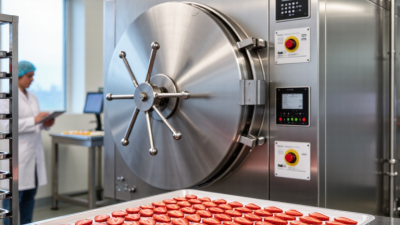
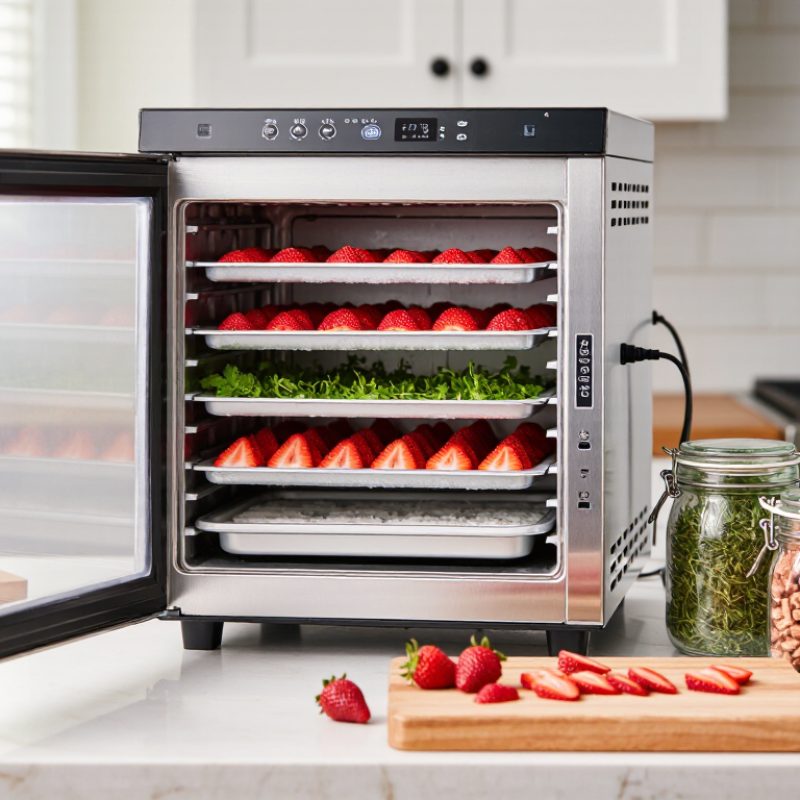
An Affordable Freeze Dryer can turn ripe strawberries, garden herbs, and leftover soup into lightweight foods that store well when packaged correctly. The process is more careful than ordinary drying. Food is frozen solid, then placed under vacuum so ice changes directly into vapor. This step is called sublimation. It helps preserve the food’s shape, color, and flavor, though results depend on preparation and machine settings.

“[Insert a verified quotation from a named freeze-drying expert about sublimation or home food preservation.]” — [Expert name and credentials]

That quotation should be checked against a reliable source before publication. A trustworthy guide should also explain what an affordable model can—and cannot—do. Smaller units may need more time, careful batch sizing, and regular cleaning. A tray of sliced strawberries should be evenly spaced; crowded pieces can dry unevenly, leaving a soft center that is easy to miss. Not every batch comes out perfectly. That is part of the learning curve.

This article outlines how freeze dryers work, which features affect price, and what to consider before buying. It also explains how to test finished food for dryness and store it in airtight packaging. The goal is practical: understand the machine before spending money, and treat its results with sensible care.
What Is an Affordable Freeze Dryer and How Does It Work?

What an Affordable Freeze Dryer Is and What Makes It Cost-Effective

An affordable freeze dryer is a home-scale machine priced within reach of households, farms, or small food businesses. It freezes food, lowers the surrounding pressure, then removes ice as water vapor. This process, called sublimation, can preserve texture and flavor better than many conventional drying methods. Affordability is not just the purchase price. It also depends on electricity, packaging, maintenance, and how often the machine is used.

The U.S. Energy Information Administration reported an average residential electricity price of 16.48 cents per kilowatt-hour in 2024. As a simple illustration, a cycle averaging 1 kilowatt for 30 hours would use about $4.94 of electricity at that rate; actual consumption varies by machine, load, and cycle. The USDA estimates that 30–40% of the U.S. food supply is wasted. Preserving surplus produce may reduce household waste, but savings depend on food prices and whether the stored food is actually eaten.

Small batches matter. A cost-effective unit should suit the amount of food regularly available, since underfilled trays can make each batch less economical. Buyers should compare usable tray area, cycle duration, energy use, and the cost of moisture-proof packaging. I would not count every preserved meal as a saving: storage space, preparation time, and occasional failed batches have costs too. A written estimate based on local electricity rates and real batch sizes is more useful than a low sticker price alone.
The Main Parts That Enable Freeze-Drying

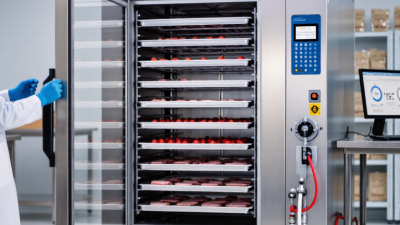
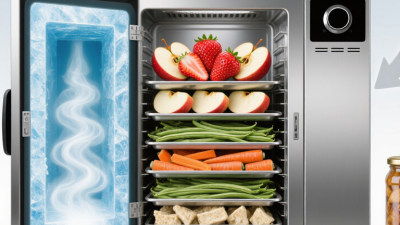
An affordable freeze dryer still relies on four working parts: an insulated chamber, refrigeration system, vacuum pump, and condenser. The chamber holds trays of frozen food; the refrigeration system keeps the product solid. A vacuum pump lowers chamber pressure, while the colder condenser captures water vapor as ice. Simple controls may reduce cost, but they offer less precise monitoring. Small details matter: a loose door seal can slow drying and waste energy.

Pressure is not just a technical setting. NIST lists water’s triple point at 611.657 pascals, where ice, liquid water, and vapor can coexist. Freeze-drying operates below this pressure so ice can move directly into vapor when gentle heat is added. The condenser must stay colder than the product, or vapor may collect where it should not. The FDA’s 2011 Process Validation guidance also stresses collecting and evaluating process data, a useful principle even for small-scale equipment. Check chamber pressure, product temperature, and drying time rather than trusting appearance alone. A dry-looking piece can still hide moisture. That part is easy to underestimate.

What Is an Affordable Freeze Dryer and How Does It Work? - The Main Parts That Enable Freeze-Drying

A freeze dryer preserves frozen material by lowering pressure so ice can be removed as water vapor, then drying the material further. An affordable setup still needs the core components below; total cost depends on capacity, controls, energy use, and maintenance.

Main Part What It Does How It Enables Freeze-Drying Practical Cost Consideration Useful Check
Vacuum chamber Encloses the product and provides a sealed space in which pressure can be reduced. Low pressure helps ice in the frozen product pass directly into vapor during primary drying, rather than melting first. A suitably sized, well-sealed chamber matters more than unused capacity; larger chambers generally require more cooling and pumping. Inspect the chamber, door, and seals for damage or leaks.
Door gasket and seals Create an airtight seal between the chamber door and chamber body. Help the vacuum system maintain low pressure by limiting air leakage. Replaceable seals can be a relatively simple maintenance item; confirm that replacements are available. Look for cracks, flattening, dirt, or poor door alignment.
Refrigerated shelves or freezing system Freezes the product before drying; in many designs, shelves also provide controlled heat during drying. Freezing turns product water into ice. During primary drying, carefully controlled shelf heat supplies energy for sublimation without allowing the product to melt. Capacity, temperature control, and energy consumption affect operating cost. Follow the equipment's loading and temperature limits. Confirm that freezing and, where applicable, shelf-temperature control work consistently.
Vacuum pump Removes non-condensable gases from the chamber and helps establish and maintain reduced pressure. Supports the low-pressure environment needed for ice vapor to leave the frozen product; it does not replace the ice-collecting condenser. Compare pump maintenance needs, noise, energy use, and any oil or filter requirements before choosing a system. Use the specified pump type and maintain it according to its instructions.
Ice condenser (cold trap) Provides a very cold surface that collects water vapor as ice. Captures vapor leaving the product, reducing the water load reaching the pump and helping sustain the drying process. Condenser capacity determines how much ice can be collected before defrosting is needed; match it to batch size. Check its rated ice capacity and the procedure for safe defrosting and drainage.
Trays or product holders Hold the product and spread it across the available shelf area. Even loading and suitable product depth support more consistent freezing and vapor movement during drying. Use the included or approved trays where possible; avoid overloading, which can lengthen drying time. Choose food-safe, compatible materials and leave room for vapor flow.
Sensors and control system Monitor conditions such as temperature and pressure and manage the drying cycle. Help coordinate freezing, primary drying, and secondary drying. Secondary drying removes additional unfrozen water by desorption. Clear readings and reliable basic controls are valuable; advanced automation is convenient but does not replace correct loading and process validation. Check that readings are legible and sensors and cycle controls respond correctly.
Drain and defrost system Allows collected ice to be thawed and the resulting water to be removed after a run. Resets the condenser for later batches and helps prevent water from remaining in the equipment. A straightforward, accessible drain can simplify cleaning and routine maintenance. Follow the manufacturer's defrost and cleaning procedure; do not drain a running system unless designed to do so.

How the cycle works: The product is frozen, the chamber pressure is reduced, and controlled heat drives ice sublimation while the condenser captures the vapor. Secondary drying then removes additional bound moisture. “Affordable” should be judged by total ownership cost—including capacity, power, maintenance, and replacement parts—not purchase price alone.

How the Freeze-Drying Process Works Step by Step

An affordable freeze dryer preserves food by removing ice without letting it melt into liquid water. You arrange small portions on trays, leaving space for air and vapor to move. The food is frozen in the chamber or beforehand, depending on the machine. It should become solid throughout, not just at the edges. Small details matter.

Next, a vacuum pump lowers the chamber pressure. Gentle heat then encourages ice to change directly into water vapor, a process called sublimation. The vapor collects as ice on a much colder condenser, away from the food. This stage can take many hours.

Thick pieces and crowded trays may dry unevenly, so consistent sizing helps. Once most ice is gone, a secondary drying phase removes more tightly held moisture. The food should feel dry and crisp, though checking a broken piece can reveal a damp center.

After drying, cool the food briefly and seal it in moisture-resistant packaging. Exposure to humid air can undo the work quickly. A lower-cost unit may have smaller trays, longer cycles, or less precise controls; compare capacity, energy use, and replacement parts before buying. The process is straightforward, but results still depend on careful preparation and checking.

Features to Compare When Choosing an Affordable Model

An affordable freeze dryer should be judged by more than its purchase price. It freezes food, lowers chamber pressure, and removes ice as water vapor. A cold condenser captures that vapor. The process can preserve texture and flavor, but results depend on food preparation and moisture content. Small, evenly cut pieces usually dry more consistently than thick chunks.

Compare usable tray space, not just the advertised capacity. A crowded tray can slow drying. Check the vacuum pump’s type, maintenance needs, and replacement costs; a low upfront price may hide ongoing expenses. That matters. Also review power use, cycle length, noise, and the space needed for ventilation. Ask whether the controls let you adjust drying time or temperature, and whether the manual explains how to verify dryness. Some models offer simple controls, which may be easier to use but provide less flexibility.

Look closely at included trays, seals, filters, and warranty coverage. Confirm that replacement parts and service support are accessible where you live. A few minutes spent comparing these details can prevent frustrating surprises. I would not assume the cheapest model is the best value; capacity estimates and drying times can be hard to compare across machines. Check realistic user instructions, then consider how often you will run it and what you plan to dry.

What Is an Affordable Freeze Dryer and How Does It Work?

A freeze dryer freezes food, lowers the chamber pressure, and removes ice as vapor. The times below are illustrative estimates; actual cycle times vary with the food, load size, and machine.

What to compare: Check usable tray capacity, cycle controls, vacuum-pump type and maintenance needs, and the availability of replacement parts. A larger batch may take longer to dry.

Common Uses and Practical Limits of Home Freeze Dryers

Common Uses and Practical Limits of Home Freeze Dryers

A home freeze dryer freezes food, then lowers pressure so ice turns directly into vapor. This is sublimation. The result is light, crisp food that can regain texture with water. People commonly preserve berries, herbs, cooked meals, and leftovers for camping or pantry storage. A small batch of strawberries can fill a jar, but it may take many hours to process.

There is a wider food-waste context. UNEP’s Food Waste Index Report 2024 estimates that 1.05 billion tonnes of food were wasted in 2022; households accounted for 60 percent. That figure does not mean freeze drying is the answer. It may help save food you will actually eat. It can also turn one forgotten container of soup into a costly, lengthy project. Small batches matter.

Home units need space, electricity, cleaning, and suitable packaging. Foods with lots of fat, such as oily meats, are poor candidates because fat does not dry away like water and can become rancid. Freeze drying also does not sterilize food. Clean handling and safe preparation still matter. FAO’s 2019 food-loss report estimated that 14 percent of food was lost between harvest and retail, but household equipment cannot address every cause of loss. There is a trade-off: dried food stores compactly, yet the machine, processing time, and packaging all add cost.