2026 How to Choose the Best Freeze Dried Food for Your Needs?
Choosing the right freeze dried food can significantly impact your preparedness and overall well-being. According to a recent market analysis by Grand View Research, the freeze dried food market is expected to reach $1.75 billion by 2028, showcasing its growing popularity. This surge reflects a shift in consumer behavior towards long-lasting, nutritious meals that are easy to store and prepare.
Understanding your unique needs is essential when selecting freeze dried food. The options available range widely in terms of nutritional content, flavor profiles, and shelf life. A report from Research and Markets suggests that consumers are increasingly focused on quality ingredients and proper packaging, which can enhance the longevity and taste of these products. With numerous brands vying for attention, it can be challenging to sift through the choices.
While freeze dried food offers many benefits, the quality can vary considerably. Some products may lack essential nutrients, while others may contain excessive salt or preservatives. Reading labels and researching brands is crucial to make informed decisions. Each choice should be reflective of personal dietary needs and preferences to truly enjoy the convenience freeze dried food promises.
Understanding Freeze Dried Food and Its Benefits
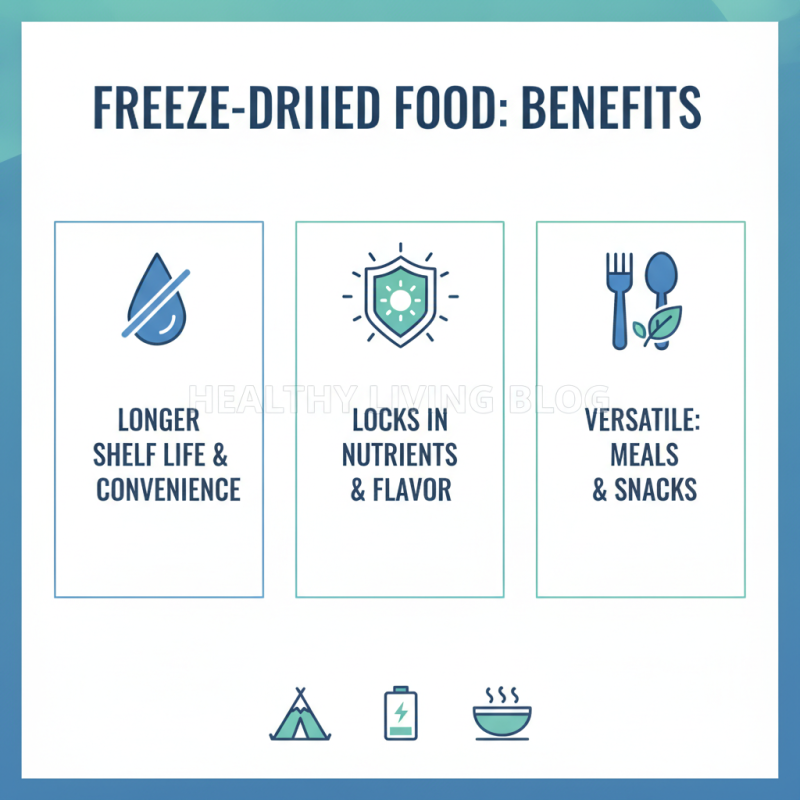
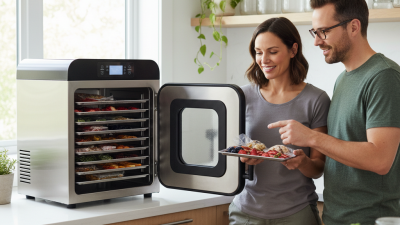
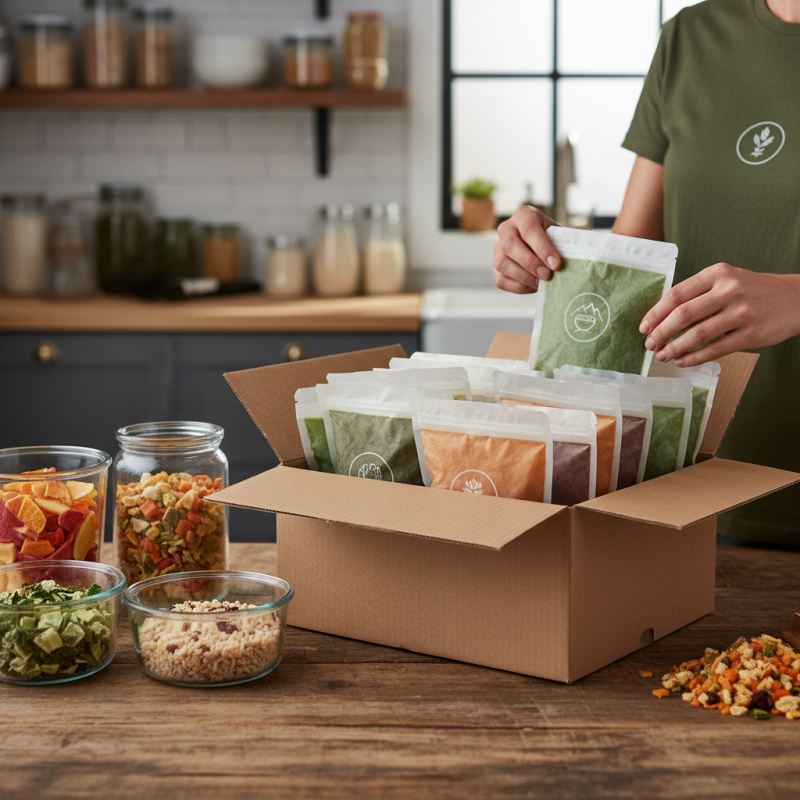
Freeze-dried food is gaining popularity for its convenience and long shelf life. This preservation method removes moisture, which helps to lock in nutrients. It retains a food's original flavors and colors. You can find a variety of options, from fruits to complete meals. This makes freeze-dried food versatile for many situations. It suits camping, emergencies, or everyday meals.
The benefits of freeze-dried food extend beyond just convenience. It is lightweight, making it easy to transport. This aspect is appealing for hikers and travelers. Additionally, the long shelf life ensures that you have food on hand when needed. However, not all freeze-dried foods are equal. Some may lack taste or texture when rehydrated. Trying different options can help you find what truly works for you.
Quality is key when selecting freeze-dried food. Look for reliable sources that offer detailed information about their products. Ingredients and processing methods matter. While the ease of use is a big draw, ensure you are getting a nutritious option. Balancing price and quality can be tricky. It requires research and sometimes trial and error to find the right choices.
Assessing Your Dietary Needs and Preferences
Assessing your dietary needs and preferences is crucial when selecting freeze-dried food. The right choice can ensure you meet your nutritional goals while also enjoying your meals. Research shows that around 55% of consumers prioritize natural ingredients. You should identify specific dietary restrictions. For instance, if you are gluten intolerant or vegan, your options will differ significantly.
It's essential to evaluate macronutrient ratios. According to the Academy of Nutrition and Dietetics, a balanced diet should consist of 45-65% carbohydrates, 10-35% proteins, and 20-35% fats. Freeze-dried foods can vary widely in these ratios. Some may be high in sugars, while others focus on proteins. Nutritional labels provide valuable insights, but understanding your personal needs is key.
Consider meal variety, too. Studies indicate that meal monotony can lead to reduced dietary satisfaction. You might want to mix different freeze-dried options. This way, you can explore flavors and textures while ensuring you get diverse nutrients. Reflect on your preferences and past food experiences when making your selections. Embrace your unique dietary journey as you choose the best freeze-dried foods for your lifestyle.
2026 How to Choose the Best Freeze Dried Food for Your Needs?
Assessing Your Dietary Needs and Preferences
Evaluating Quality Indicators in Freeze Dried Products
When selecting freeze dried food, evaluating quality indicators is crucial. Start by checking the ingredient list. Ideally, it should contain whole foods without chemicals. Look for single-ingredient options. A long list of additives can indicate lower quality.
Moisture content is another factor. Find brands that test for moisture levels. Too much moisture can affect shelf life. Packaging plays a significant role too. Ensure it is robust, vacuum-sealed, and opaque to prevent light and oxygen exposure.
Nutrition information is vital. Compare calorie counts and nutritional values. High protein and fiber content is often a good sign. Remember, not all freeze dried food is created equal. Some may lack flavor or nutrients despite looking good. Experimenting with different products can lead to better choices. Trust your taste and judgment in the long run.
Comparing Different Brands and Their Offerings
When considering freeze-dried food, it’s essential to compare various brands thoroughly. Each brand offers different flavors, ingredients, and packaging. Some focus on fruits and vegetables, while others prioritize complete meals. This variety can cater to different dietary needs.
Many brands promote their products as all-natural or organic. However, not all claims are equally transparent. A closer look at the ingredient list can reveal additives or preservatives. It’s important to research to ensure you’re choosing a product that aligns with your health goals.
Packaging is another critical aspect. Some freeze-dried foods come in bulk, which may suit long-term storage. Others might be single-serving, perfect for on-the-go. Evaluate how you plan to use the food before making a decision. Is it for camping, emergency supply, or daily snacking? Practicality matters in your choice.
2026 How to Choose the Best Freeze Dried Food for Your Needs?
| Category |
Nutritional Value (per serving) |
Brand A |
Brand B |
Brand C |
Average Price ($) |
| Fruits |
60 calories, 0g fat, 15g carbs |
High |
Medium |
Medium |
5.99 |
| Vegetables |
45 calories, 0g fat, 10g carbs |
Medium |
High |
Low |
4.49 |
| Meals |
250 calories, 5g fat, 30g carbs |
Low |
High |
Medium |
9.99 |
| Snacks |
150 calories, 7g fat, 15g carbs |
High |
Medium |
High |
3.99 |
| Protein |
200 calories, 10g fat, 5g carbs |
Medium |
High |
Medium |
8.49 |
Storage and Preparation Considerations for Freeze Dried Food
When choosing freeze-dried food, consider storage and preparation carefully. Freeze-dried food is lightweight and has a long shelf life, often lasting 25 years or more. According to the Freeze-Dried Food Association, proper storage can enhance longevity by minimizing exposure to moisture and light. Use airtight containers and store in a cool, dark place.
Tips: Always check the moisture content before sealing your food. Even slight humidity can spoil your supplies.
Preparation methods vary. Some products require only hot water, while others may need longer soaking times. Following the manufacturer's instructions is essential for optimal taste and texture. The North American Food Safety Database reports that improper rehydration can lead to foodborne illnesses.
Tips: Keep a thermometer on hand. Ensure water is at the right temperature for rehydrating food.
Keep in mind that not all meals are created equal in nutrition. Analyze food labels. A balanced diet is crucial, especially in emergency scenarios. Choosing options rich in vitamins and minerals will sustain energy levels over time.