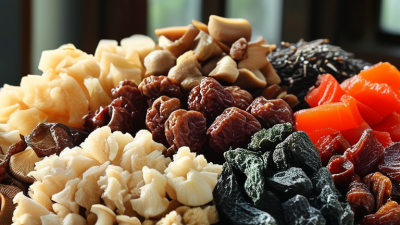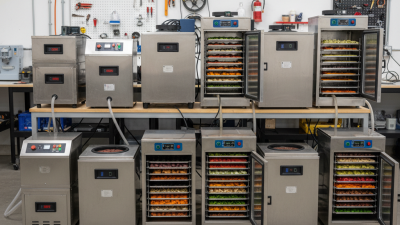
Sourcing Dried Food in bulk worldwide sounds straightforward. It is not. A shipment may contain dried mango, beans, mushrooms, herbs, or powdered ingredients. Each product behaves differently during storage and transport. Moisture, water activity, packaging, and origin can change the final result.
Dr. Robert Gravani, a respected food-safety specialist, states, “Food safety is a shared responsibility.” His point matters across the supply chain. Buyers should examine supplier experience, facility hygiene, batch records, and independent laboratory reports. Ask for moisture results, microbial testing, allergen controls, and clear ingredient specifications. A supplier’s certificate can help, but it should not replace practical verification. Requesting samples is wiser than trusting photographs. Check texture, aroma, color, and signs of insects or mold. Small details reveal large problems.
International sourcing also requires careful planning. Confirm the supplier’s production capacity before agreeing to a large order. Discuss packaging thickness, carton strength, pallet protection, and temperature exposure. Dried products still absorb humidity. A container crossing a warm port can suffer condensation inside its walls. That risk is easy to overlook.
Traceability should remain visible. Record lot numbers, harvest dates, production dates, and shipping documents. Verify destination-market requirements with qualified trade and food-safety professionals. Requirements can differ by product and country. Mistakes happen. Even experienced buyers may underestimate seasonal shortages or inconsistent grades. That is why a written specification, inspection plan, and backup supplier matter. Reliable Dried Food sourcing is not only about finding the lowest price. It is about building evidence, testing assumptions, and protecting quality from farm to warehouse.
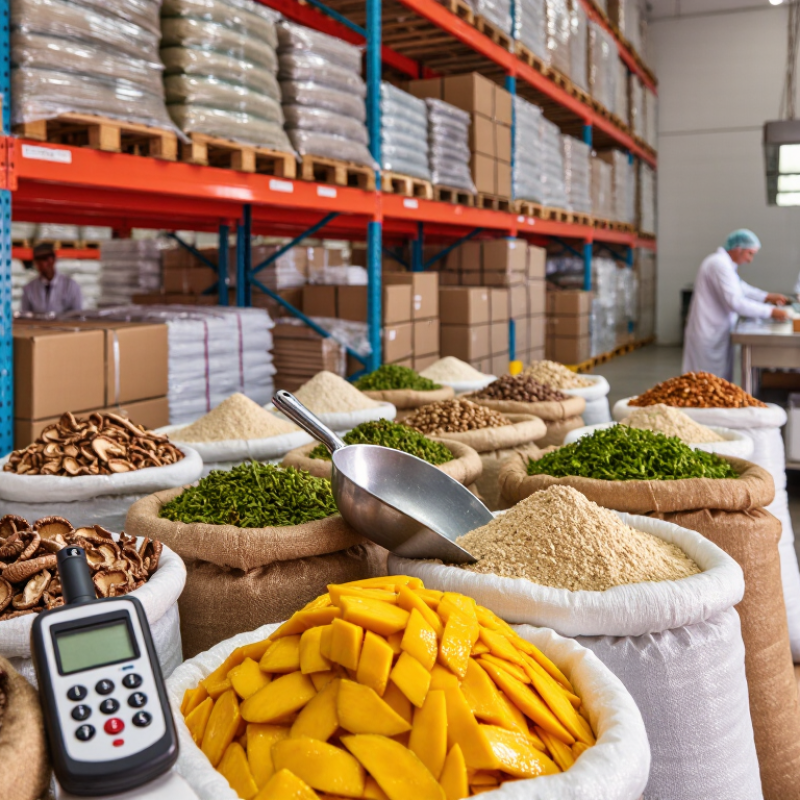
Sourcing dried food in bulk starts with a precise product brief, not a broad request for “good quality.” Define the ingredient, botanical or common name, cut, color range, moisture limit, and acceptable foreign material. State whether the product is sliced, diced, powdered, or whole. Water activity matters because a low moisture reading alone may not predict storage stability. Add the target pack size, pallet pattern, annual volume, and delivery country. Your specification should identify allergen controls, traceability, and destination-country requirements.
Tips
Ask suppliers for a retained sample and a recent certificate of analysis. Compare the sample against measurable points, including moisture, water activity, microbiology, sieve size, and required residue testing. Photograph the product beside a ruler. It sounds simple, but it prevents arguments about particle size. Confirm packaging material, inner liners, lot coding, and storage temperature. Request a written process for handling deviations. Keep a revision date on every specification.
Experienced buyers define “acceptable” before receiving the first shipment. Set limits for broken pieces, discoloration, odor, and infestation evidence. Require traceability from harvest or processing lot to finished cartons. Independent testing can verify supplier results, especially for repeated orders. I have seen buyers focus on price and overlook carton strength. Damaged cases then create avoidable claims. Specifications are not permanent. Review them after pilot shipments, because practical requirements may expose weaknesses in the original brief.
How to Source Dried Food in Bulk Worldwide
Reliable sourcing begins with the product specification, not the supplier list. Define the food type, cut, moisture range, harvest period, packaging, and target quantity. For example, dried mango should have clear size grades, moisture limits, and allergen controls. This prevents vague quotes from hiding inconsistent quality.
Useful sourcing channels include producer cooperatives, established processors, agricultural trade directories, trade fairs, and local import agents. Regional chambers of commerce can help verify company records and production locations. Ask each supplier for recent product samples, batch photographs, test reports, and traceability documents. Check whether the stated facility actually handles drying, sorting, packing, or only reselling goods. That difference matters.
Request details about food-safety systems, pesticide-residue testing, microbiological controls, storage temperature, and packaging materials. Confirm that labels and documents meet the destination market’s requirements before placing an order. A small trial shipment can reveal problems with humidity, broken pieces, weak cartons, or delayed customs paperwork. I would not rely on a polished catalog alone. I once treated a low price as a strong signal; it later reflected inconsistent grading and extra inspection costs. Supplier references help, but direct verification remains essential. Keep written records of specifications, approved samples, payment terms, inspection points, and corrective actions. Some details may still be missed, especially when production changes between seasons.
Buying dried food in bulk worldwide is less about finding the lowest quote and more about comparing equal specifications. In supplier discussions, I request the same product grade, cut size, moisture limit, packaging, and delivery term. A low price can hide weaker packaging or higher freight costs. Ask for a recent sample. Then compare color, aroma, texture, foreign material, and rehydration performance. Small details matter.
Quality should be measured with documents and physical checks. Request a specification sheet, batch identification, shelf-life information, and relevant laboratory results. Depending on the product, tests may cover moisture, microbial levels, pesticide residues, or allergens. Verify whether the stated limits match your destination’s requirements. I also inspect carton strength and inner-liner sealing because humidity can damage dried goods during ocean transport. Paperwork helps, but it is not proof of every shipment.
Minimum order quantity changes the real price. A larger order may reduce unit cost, yet it can tie up cash and create slow-moving inventory. Compare three quantities: trial, partial container, and full container. Include sampling, inspection, insurance, customs charges, storage, and possible waste. Suppliers may accept a lower MOQ at a higher unit price, which can be sensible for a new product. I once focused too heavily on the invoice price and underestimated storage fees. That mistake still influences my purchasing checklist. Leave room for quality claims, payment terms, and unexpected delays.
Sourcing dried food in bulk worldwide requires more than comparing supplier prices. Customs rules can change by product, origin, and destination. UNCTAD’s Review of Maritime Transport 2023 reports that over 80% of global merchandise trade by volume moves by sea. That makes container planning essential. Confirm the correct HS code, product description, net weight, and country of origin before booking freight. A small classification error can delay an entire container.
Import regulations also deserve careful preparation. Many destinations require phytosanitary documents, health certificates, allergen declarations, and lot-level traceability. Requirements may differ for dried fruit, grains, herbs, and powdered ingredients. The World Bank’s Logistics Performance Index 2023 highlights customs efficiency as a major factor in supply-chain reliability. In practice, ask the importer or licensed customs broker to verify current rules directly with the destination authority. Do not rely only on an old supplier document. I have seen paperwork look complete while one missing treatment statement stopped clearance.
Tips: Build a document checklist before production. Request certificates early. Keep commercial invoices consistent with packing lists. Use moisture-barrier packaging, desiccants, and temperature indicators when appropriate. FAO reports that 13.2% of food is lost between harvest and retail globally, based on its 2019 estimate. Dried food is more stable, not invulnerable. Inspect seals, sample moisture levels, and photograph pallets before loading. Add buffer time for inspections, port congestion, and unexpected document corrections. A cheaper shipment can become expensive after storage and demurrage charges.
Sourcing dried food in bulk begins with disciplined shipment inspection, not attractive quotations. The WHO estimates that contaminated food causes 600 million illnesses and 420,000 deaths annually. Dried products are safer than fresh goods, but they are not risk-free. Mold, insects, foreign materials, and excessive moisture can still enter during processing or transit.
Open several cartons from different pallet positions. Check color, odor, texture, packaging seals, and visible contamination. Measure moisture and water activity with calibrated equipment. Request laboratory results for relevant hazards, including mycotoxins where applicable. The FAO reported that 14% of food is lost between harvest and wholesale, often because of handling and storage weaknesses. That figure makes pallet condition important. A damp corner matters.
Do not treat certificates as proof of everything. Compare them with batch numbers, production dates, loading photographs, and inspection records. Keep retained samples for independent testing. Mistakes happen. A supplier who explains a failed test clearly may be more dependable than one offering perfect paperwork.
Long-term relationships grow through measurable routines. Agree on specifications, sampling plans, tolerances, corrective actions, and response times before the first contract. Review delivery accuracy, defect rates, moisture results, and complaint resolution every quarter. The World Bank’s Logistics Performance Index emphasizes shipment reliability and tracking as major logistics capabilities. Trust should be earned through repeated evidence, not friendly messages. I have found that small suppliers sometimes communicate faster, although their documentation may need closer coaching. That weakness should be corrected, not ignored.