What Is the Best Freeze Dry Machine for Global Buyers?
Choosing the best Freeze Dry Machine for global buyers requires more than comparing prices, chamber sizes, or attractive product photos. The right equipment must match the product, production volume, facility conditions, and operator experience. Food manufacturers may need gentle drying for fruit, vegetables, coffee, or prepared meals. Laboratories often require tighter temperature control and stronger vacuum stability. One machine cannot serve every purpose equally well.
Dr. Thomas A. Jennings, a recognized freeze-drying scientist, has emphasized, “A successful freeze-drying cycle must protect product quality while removing moisture efficiently.” This principle remains practical today. Buyers should examine condenser temperature, vacuum performance, shelf uniformity, drying capacity, control software, and cleaning access. These details affect whether strawberries retain their shape, whether coffee preserves its aroma, and whether repeated batches remain consistent.
Look beyond the brochure. Ask for test data using a product similar to yours. Request energy figures, maintenance schedules, spare-parts availability, and operator training. International buyers should also check voltage compatibility, documentation quality, installation support, and after-sales response times. A lower purchase price may become expensive when pumps fail or replacement parts arrive slowly.
No machine is perfect.
Capacity estimates can also mislead. A chamber may look large, yet usable shelf space can be limited by product thickness and loading gaps. My assessment may change when a supplier provides real batch records. That is why experienced buyers should compare verified results, not only specifications. The best Freeze Dry Machine is the one that delivers reliable quality, manageable operating costs, and support throughout its working life.
What Is a Freeze Dryer and How Does It Work?
A freeze dryer removes water from food, herbs, and other suitable materials without turning ice directly into liquid.
This process is called sublimation. The machine first freezes the product, often below -40°C, until most of its moisture becomes solid ice. A vacuum pump then lowers the chamber pressure. Gentle heat allows the ice to change into vapor and leave the product.
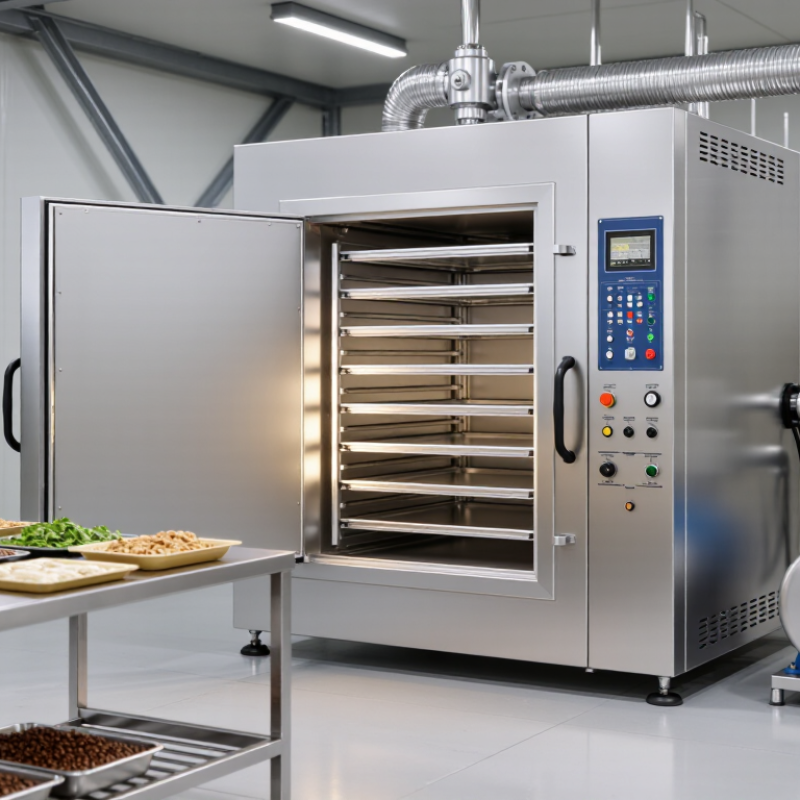
The main parts include a sealed chamber, vacuum system, refrigeration unit, heated shelves, and cold condenser.
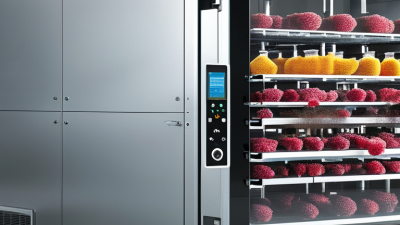
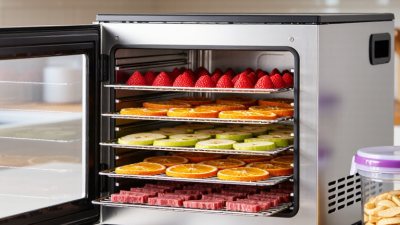
The condenser captures water vapor as ice. In practical operation, thin fruit slices dry more evenly than thick pieces. A tray of strawberries may look dry outside but remain soft inside. Operators should check weight, texture, and residual moisture before packaging. Small errors matter.
Global buyers should compare temperature range, condenser capacity, chamber volume, electrical requirements, and service documentation.
A machine designed for one climate may perform differently in a humid warehouse. Vacuum stability is also important. If the pressure fluctuates, drying can become slow or uneven. I have found that published capacity figures can seem optimistic when products are packed too densely. That deserves careful questioning. Cleaning access, replacement parts, and operator training often influence long-term value more than a low purchase price.
Which Freeze Dryer Types Suit Different Global Buyers?
The best freeze dry machine depends on the buyer’s product, output, facility, and local conditions. A compact batch freeze dryer suits small farms, specialty food businesses, and online sellers. It handles limited volumes and usually fits a modest production room. However, loading several small trays can become slow during peak seasons. That detail is easy to underestimate.
Laboratory and pilot freeze dryers serve universities, food developers, and quality teams. They help test moisture levels, texture, shelf stability, and packaging before larger investment. A medium commercial batch model fits growing processors with steady weekly demand. Buyers should check chamber capacity, vacuum performance, condenser temperature, cleaning access, and cycle records. These features affect product consistency more than attractive machine appearance.
Large processors may need industrial systems with higher throughput and automated loading. They require stronger electrical supply, floor space, trained operators, and reliable technical support. The purchase should match local voltage, climate, spare-part access, and service response times. In hot or humid regions, cooling performance deserves close attention. A machine that works well in a cool showroom may struggle in a warm production room. I would also question optimistic capacity claims. Real output changes with product thickness, sugar content, tray loading, and pre-freezing quality. Small buyers often focus on price first, then discover that installation and maintenance costs matter just as much.
How to Compare Freeze Dryer Capacity, Performance, and Features?
Choosing the best freeze dry machine starts with capacity, but capacity alone can mislead global buyers. A larger chamber is not always better. Measure the usable tray area, not only the advertised volume. A machine holding six trays may process more food than one holding eight narrow trays. Check tray dimensions, shelf spacing, and maximum batch weight. These details affect real production.
Performance should be judged through measurable results.
Ask for temperature ranges, vacuum stability, drying time, and batch consistency. A reliable machine should remove moisture evenly from thick fruit slices, cooked meals, and delicate herbs. In practical testing, moisture checks after drying can reveal weak results. Texture should be crisp, not rubbery. The process may still vary with sugar, oil, and food thickness. That part is easy to underestimate.
Features should support daily work, not merely increase the specification list.
Automatic cycle control, vacuum protection, clear alarms, and washable food-contact surfaces can reduce operating errors. Stainless steel construction helps with cleaning and long-term use. Review power requirements carefully, including voltage, frequency, plug type, and local electrical compatibility. Global buyers should also examine manuals, spare-part access, training, warranty terms, and technical response times. A low purchase price may become expensive when one sensor fails. I would request sample batch data before ordering. Claims without test conditions deserve caution. Even experienced operators sometimes choose capacity first, then regret the power demand.
What Costs, Certifications, and Utilities Should Buyers Consider?
For global buyers, the purchase price is only the opening figure. Small pilot freeze-drying machines often cost about USD 15,000–60,000. Production systems can exceed USD 100,000. The final quote should include installation, freight, duties, validation, spare parts, and operator training. A 2024 market analysis by Research and Markets separates food and pharmaceutical equipment demand, reminding buyers that capacity comparisons can be misleading. Chamber size is not enough.
Utilities can quietly reshape the investment. Published engineering studies commonly report about 1–3 kWh per kilogram of water removed, depending on product, condenser temperature, and cycle design. At USD 0.10–0.25 per kWh, electricity may cost roughly USD 0.10–0.75 per kilogram of removed water. Real results vary. They always do. Buyers should request measured cycle data, not optimistic catalog figures. Check voltage, phase, frequency, cooling ventilation, vacuum-pump requirements, drainage, and defrost water handling. Some facilities need upgraded electrical panels.
Certifications require country-specific review. Electrical compliance may involve CE, UKCA, UL, CSA, or another recognized testing route. Food-contact materials should have appropriate declarations and traceability. ISO 9001 supports quality control, but it does not prove freeze-drying performance. HACCP supports food safety management, while GMP expectations may apply to regulated production. The UNEP Food Waste Index Report 2024 estimates 1.05 billion tonnes of food were wasted in 2022, yet reducing waste depends on product quality, not equipment alone. Buyers should test their own product. That step is often skipped.
How to Choose the Best Freeze Dryer for Your Market?
What Is the Best Freeze Dry Machine for Global Buyers?
How to Choose the Best Freeze Dryer for Your Market?
The best freeze dryer depends on your market, not only its chamber size or advertised output. A small food processor may need a compact unit for berries, herbs, and prepared meals. A larger facility may require stronger shelves, faster vacuum recovery, and continuous production. Check the expected batch weight, product moisture, tray dimensions, and daily workload before comparing models.
Local conditions matter. A machine designed for a dry climate may perform differently in a hot, humid region. Confirm the required voltage, plug type, cooling method, drainage design, and operating temperature range. Ask for test data using products similar to yours. Reliable suppliers should provide manuals, safety documents, performance records, and clear warranty terms. Service response also matters when a vacuum pump stops during a busy production day.
Tips: Compare total ownership cost, not just the purchase price. Include electricity, water, oil, replacement parts, shipping, installation, and technician training. Check whether local technicians can maintain the system. A larger machine can look impressive, but unused capacity increases costs. Small pilot tests may reveal uneven drying, fragile packaging, or longer cycles. That detail is easy to miss. Reconsider the choice after real product trials, because laboratory results rarely match every market condition.