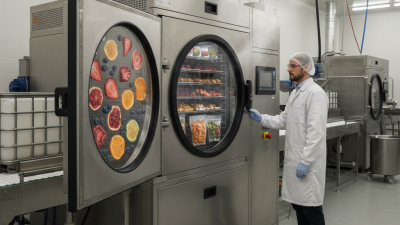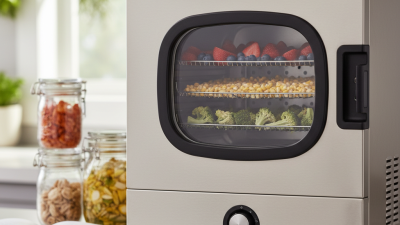
In the fast-paced world of business, efficiency is crucial. A Commercial Freeze Dryer can significantly enhance productivity. This equipment adapts to various industries, allowing better preservation of food, pharmaceuticals, and biological samples. With a Commercial Freeze Dryer, companies can maintain the quality and longevity of their products.
Investing in a Commercial Freeze Dryer means prioritizing quality. Products retain their nutritional value and flavor during the freeze-drying process. However, not all businesses understand the specific needs required for optimal operation. Potential buyers should consider their production volume and specific product requirements.
While the benefits are clear, choosing the right machine can be challenging. Many models exist, each with unique features. It’s essential to research thoroughly and perhaps consult industry experts. Some users may overlook this step, leading to suboptimal purchases. Reflecting on these aspects can lead to better investment decisions in the long run.
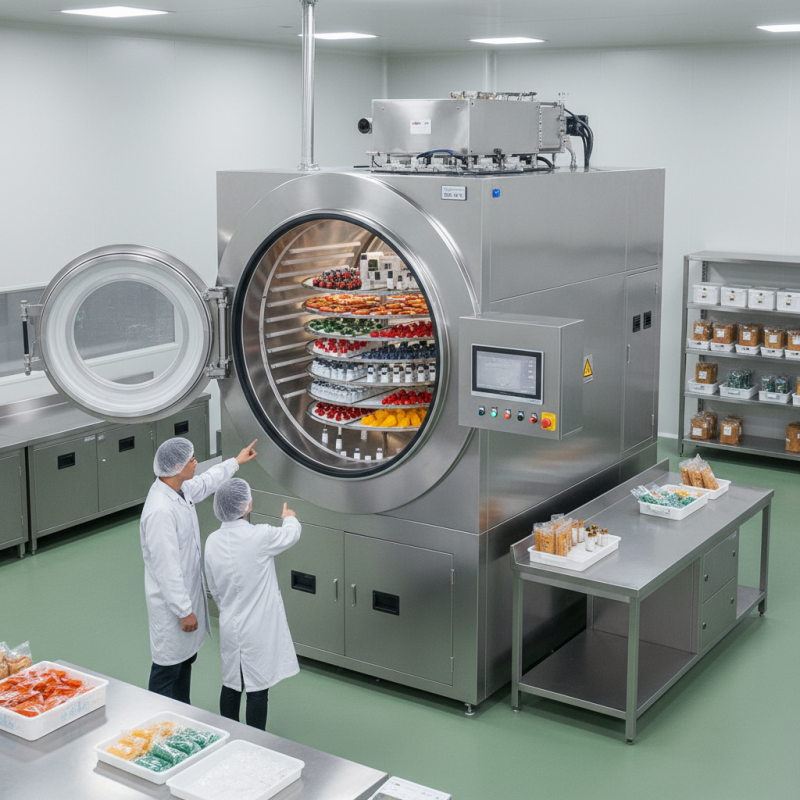
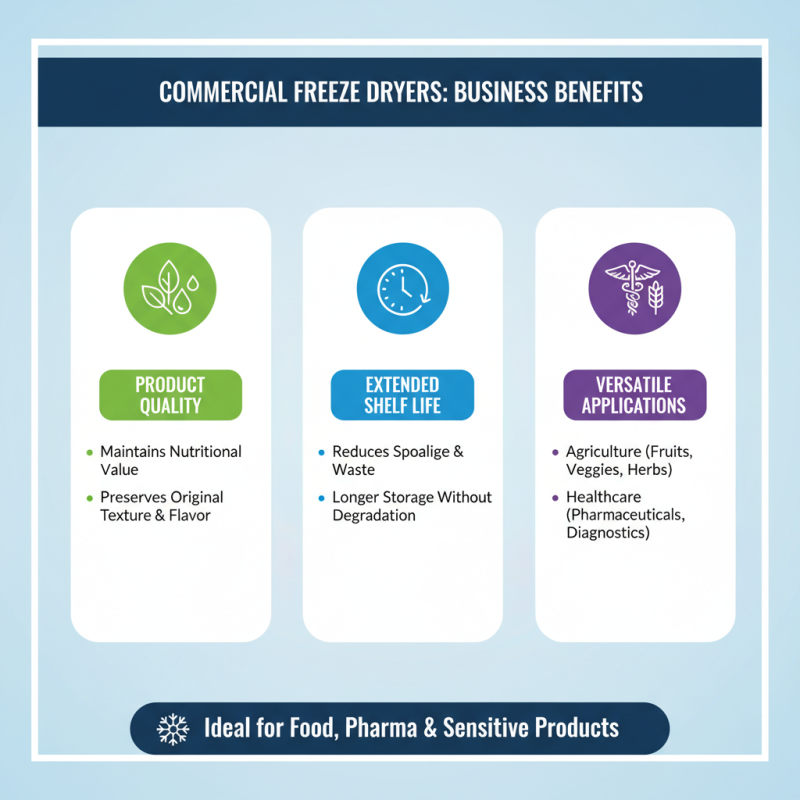
Commercial freeze dryers offer significant advantages for businesses aiming to preserve food, pharmaceuticals, or other sensitive products. Using freeze-drying technology can maintain product quality. It also extends shelf life without compromising nutrients. This benefit is essential for sectors like agriculture and health care.
For businesses considering freeze dryers, there are practical tips to keep in mind. Evaluate your production volume. A small unit may suffice for smaller operations. However, larger businesses should invest in bigger models. Maintenance matters too. Regular cleaning ensures optimal performance and prevents contamination.
It's also vital to understand the energy consumption of your equipment. Energy-efficient models save costs in the long run. Consider the training of your staff on operating the machinery. Proper training minimizes errors and enhances safety. Investing time in learning the process pays off in efficiency and results.
When selecting a commercial freeze dryer, several key features require careful consideration. The
size of the unit plays a crucial role. Choose one suitable for
your business's production capacity. According to industry reports, freeze dryer efficiency can
vary widely. Some models offer up to 98% moisture removal,
significantly impacting product quality. Ensure the unit has the appropriate shelf space for your
needs. This is vital for achieving optimal results in drying, especially for food preservation or
pharmaceuticals.
Another important factor is energy efficiency.
The right freeze dryer can save considerable energy costs. Reports indicate that energy-efficient
models can reduce operational expenses by up to 30%. It's
worth investing in technology that not only meets production standards but also aligns with
sustainability goals. Consider the maintenance requirements, as some units demand more than
others, affecting long-term usability.
Tips: Always assess the warranty options. A robust warranty reflects the
manufacturer's confidence in their product. Review customer feedback to gauge reliability.
Look for features like user-friendly controls and clear digital displays. These can enhance
ease of use and training for your staff. Balancing functionality with practicality ensures
your investment meets your business needs effectively.
When comparing commercial freeze dryers to other preservation methods, the advantages become clear. Freeze drying, or lyophilization, removes moisture while preserving nutrients. This process results in food items that retain their original shape and flavor. Unlike canning or dehydration, freeze-dried products have a longer shelf life and are less prone to spoilage.
Canning typically alters texture and flavor due to high heat. Foods may lose their essential vitamins during this process. Dehydration, while effective, often results in a chewier texture and reduced taste. In contrast, freeze-dried foods can be rehydrated quickly, making them ideal for businesses that need convenience.
However, freeze drying requires a significant upfront investment. It's essential to weigh this with the potential long-term savings and benefits. Not all businesses need this level of preservation; some may find traditional methods sufficient. Understanding your specific needs can help prevent costly decisions. Consumers are becoming more aware of food preservation, pushing businesses to consider quality.
| Preservation Method | Advantages | Disadvantages | Best For |
|---|---|---|---|
| Commercial Freeze Drying | High-quality preservation, extended shelf life, retains nutrients and flavor. | Higher initial investment, requires specialized equipment and training. | Food manufacturers, pharmaceuticals, and any business needing long-term preservation. |
| Canning | Low cost, established method, no special equipment needed for small batches. | Shorter shelf life, loss of texture and flavor, requires heating. | Small scale operations, home use. |
| Dehydration | Simple process, low cost, retains fibers and minerals well. | Texture changed, some nutrient loss, shorter shelf life compared to freeze drying. | Snack food manufacturers, outdoor food products. |
| Refrigeration | Easy access, no special procedures required, keeps food fresh. | Requires constant power, limited shelf life, potential for spoilage. | Restaurants, grocery stores. |
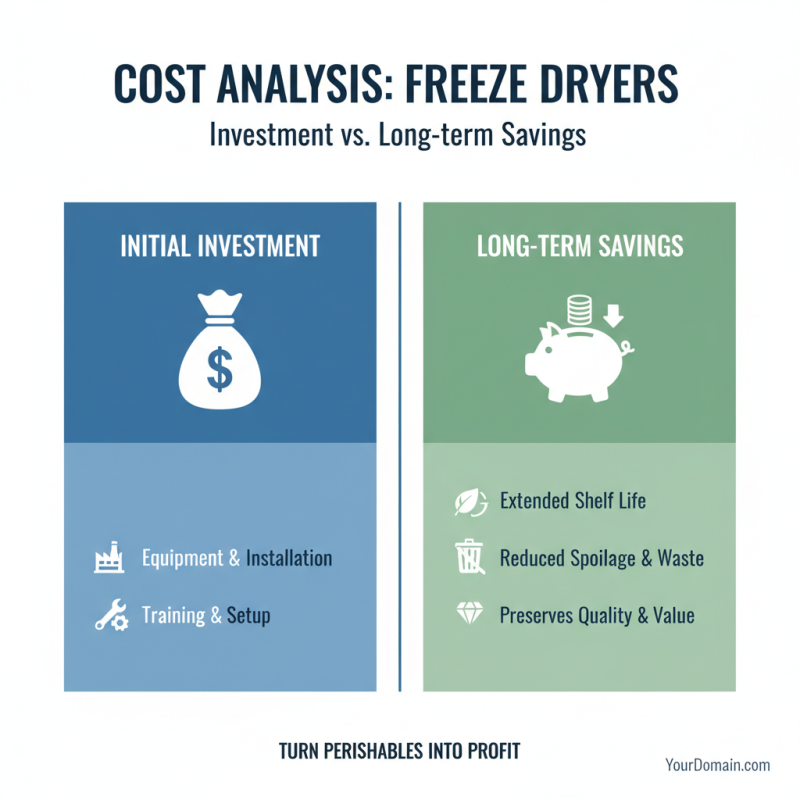
In an increasingly competitive market, understanding the cost implications of a commercial freeze dryer is essential. While the initial investment may be significant, many businesses overlook the long-term savings it can offer. A freeze dryer allows for extended shelf-life of products, reducing waste from spoilage. This capability can turn perishable inventory into value without sacrificing quality.
Calculating costs involves more than just the purchase price. Operating expenses, including energy efficiency and maintenance, play a critical role. Efficient freeze dryers help minimize energy consumption, translating to lower utility bills over time. Moreover, this equipment can scale with your business. As demand grows, a freeze dryer adapts, preventing the need for a costlier expansion.
Some companies might feel hesitant to invest upfront. The idea of initial costs can be daunting, especially for new businesses. It's crucial to assess the potential return on investment carefully. Over time, revenue generated from selling freeze-dried products often outweighs initial expenditures. Evaluating your specific needs and potential market can lead to informed decisions that align with your business goals.
In various sectors, commercial freeze dryers have become essential tools. Many businesses leverage them for preserving food, pharmaceuticals, and even art. For instance, a local bakery expanded its product line by freeze-drying fruit for snacks. This method retains color and taste, drawing in new customers.
Another example comes from the health sector. A small pharmaceutical company uses freeze dryers to process vaccines. This helps maintain potency, reducing waste. Their success reflects how effective freeze drying can be in maintaining quality. However, not all experiments lead to success. Some businesses face challenges in perfecting the process. It requires meticulous testing and investment.
Craft brewers also find value in freeze drying. They can create unique flavors by preserving hops. Yet, the initial learning curve can be steep. Balancing quality and efficiency is often tricky. Businesses must adapt their processes for successful outcomes.
This bar chart illustrates the success rates of various real-world applications for commercial freeze dryers across different industries. These insights can help businesses identify the best applications for their needs.