China Top 10 Freeze Dry Machine For Home Suppliers
Choosing a Freeze Dry Machine For Home requires more than comparing prices or polished product photos. It requires practical judgment. A reliable machine should produce stable temperatures, consistent vacuum levels, simple controls, and food that returns to a crisp texture after storage. In a real kitchen, the details matter: tray capacity, pump noise, cleaning time, power use, and replacement parts can shape every batch.
Dr. James M. King, a food-processing researcher, explains, “Freeze-drying removes moisture while preserving much of the food’s original structure.” That principle guides this review of China Top 10 Freeze Dry Machine For Home suppliers. The selection focuses on manufacturing experience, technical documentation, quality control, after-sales support, and transparent specifications. Supplier credibility also matters. Factory audits, product testing, warranty terms, and responsive communication can reveal more than advertising claims.
Some models may look impressive but perform differently in daily use. A small household unit might handle strawberries beautifully yet struggle with thick meat slices. That is normal. No machine fits every home. Buyers should check chamber size, freezing time, vacuum pump design, and recommended batch weight before ordering. Independent certifications and clear operating manuals deserve attention, especially for first-time users. This introduction is not a promise of perfection. Supplier information can change, and performance may depend on recipes, humidity, and maintenance. Careful comparison remains essential. The strongest choice is usually the machine that works predictably, not merely the one with the lowest listed price.
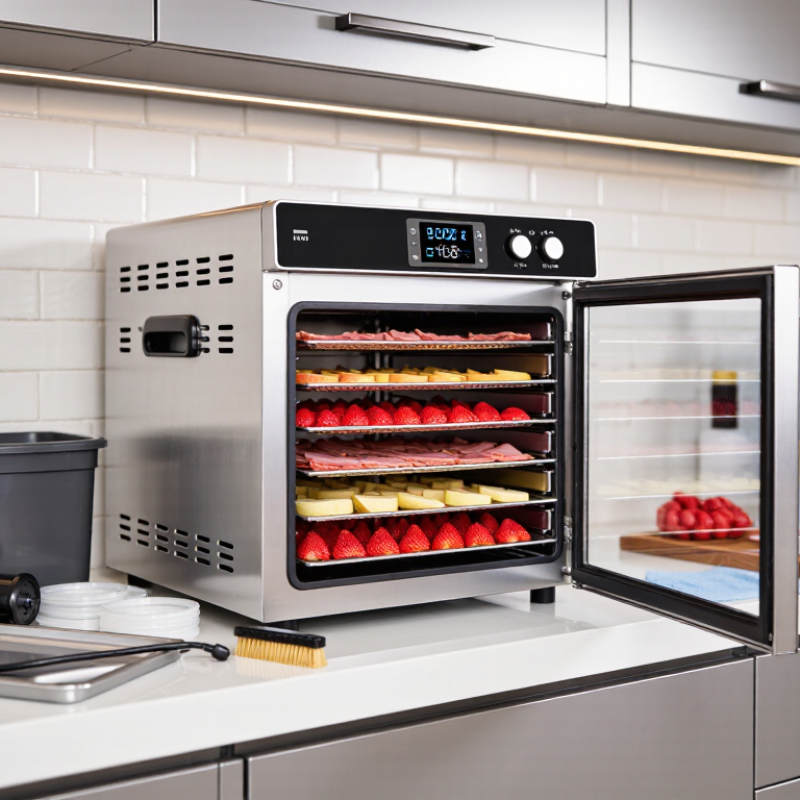
What Is a Home Freeze-Dry Machine and How Does It Work?
China Top 10 Freeze Dry Machine For Home Suppliers
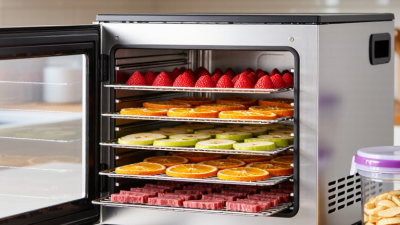
A home freeze-dry machine removes moisture through sublimation. The food freezes first. A vacuum then changes ice directly into vapor. Gentle heat completes the secondary drying stage. This preserves shape, flavor, and many nutrients better than conventional heating. NASA and several food science studies have examined similar low-temperature dehydration principles. The National Center for Home Food Preservation also identifies freeze-drying as a high-quality preservation method, but stresses careful packaging and storage.
A household unit usually includes a vacuum chamber, condenser, heating shelves, and sensors. A complete cycle may take 20 to 40 hours. Fatty foods often need longer processing. Food should feel dry and brittle, not cold or rubbery. The FDA Food Code uses 0.85 water activity as an important pathogen-control boundary. However, home users should aim for much lower moisture before sealing products. Oxygen absorbers and moisture barriers can improve shelf stability. Results still depend on food thickness, loading, and machine calibration.
Tips: Cut food into even pieces. Do not overload trays. Check the center of thick fruit. Store portions in airtight, light-resistant packaging. A moisture meter adds confidence, though it is not perfect. I would not trust a long shelf-life claim without testing one sample after storage. That small step can reveal hidden moisture, weak seals, or a process that needs adjustment.
China Top 10 Freeze Dry Machine For Home Suppliers - What Is a Home Freeze-Dry Machine and How Does It Work?
Comparison of common home freeze-dryer configurations and the operating specifications typically offered by Chinese suppliers
| No. |
Home Machine Class |
Typical Fresh-Food Batch |
Usable Shelf Area |
Shelf Temperature Range |
Typical Ultimate Vacuum |
Typical Cycle Time |
Rated Power |
Suitable Home Applications |
| 1 |
Compact Entry Unit |
2–3 kg |
0.10–0.15 m² |
−40°C to +60°C |
≤ 100 Pa |
20–30 hours |
0.8–1.2 kW |
Fruit slices, herbs, small snack batches, and trial recipes |
| 2 |
Small Household Unit |
3–5 kg |
0.15–0.22 m² |
−45°C to +60°C |
≤ 100 Pa |
20–36 hours |
1.0–1.5 kW |
家庭 food preservation, cooked meals, vegetables, and dairy-based products |
| 3 |
Medium Home Unit |
5–7 kg |
0.22–0.30 m² |
−45°C to +65°C |
≤ 80 Pa |
24–40 hours |
1.2–1.8 kW |
Regular family batches, garden produce, meat, and prepared meals |
| 4 |
Large Household Unit |
7–10 kg |
0.30–0.42 m² |
−50°C to +65°C |
≤ 80 Pa |
24–45 hours |
1.5–2.2 kW |
Bulk seasonal produce, complete meals, meat portions, and emergency food storage |
| 5 |
Low-Temperature Home Unit |
4–8 kg |
0.20–0.36 m² |
−55°C to +65°C |
≤ 50 Pa |
24–48 hours |
1.5–2.4 kW |
Moisture-sensitive foods, fruit, seafood, meat, and higher-quality preservation |
| 6 |
Automatic-Control Unit |
5–10 kg |
0.24–0.42 m² |
−45°C to +65°C |
≤ 80 Pa |
22–45 hours |
1.5–2.5 kW |
Users who prefer preset programs, automatic endpoint control, and limited manual adjustment |
| 7 |
Manual-Recipe Unit |
3–8 kg |
0.16–0.34 m² |
−40°C to +65°C |
≤ 100 Pa |
20–48 hours |
1.0–2.0 kW |
Experimental recipes, specialty foods, and users who want control over temperature and vacuum stages |
| 8 |
Oil-Pump Configuration |
4–8 kg |
0.20–0.36 m² |
−45°C to +65°C |
≤ 80 Pa |
24–45 hours |
1.2–2.2 kW |
Cost-conscious home users who accept routine pump oil inspection and replacement |
| 9 |
Oil-Free Configuration |
3–7 kg |
0.16–0.30 m² |
−45°C to +60°C |
≤ 100 Pa |
24–45 hours |
1.3–2.3 kW |
Cleaner indoor operation, simplified maintenance, and kitchens with limited ventilation |
| 10 |
Multi-Purpose Home Unit |
6–10 kg |
0.28–0.45 m² |
−50°C to +65°C |
≤ 80 Pa |
24–48 hours |
1.8–2.8 kW |
Frequent preservation of fruit, vegetables, meat, dairy products, and prepared meals |
|
How it works: A home freeze-dry machine first freezes food, then creates a low-pressure vacuum. Under vacuum, the ice changes directly into water vapor through sublimation. A cold condenser captures the vapor, while controlled shelf heating completes primary and secondary drying. Actual capacity, cycle time, vacuum level, energy use, and final moisture content vary with food type, loading thickness, ambient temperature, and machine design.
|
Key Criteria for Evaluating Chinese Home Freeze-Dryer Suppliers
Choosing among China’s top ten home freeze-dryer suppliers requires more than comparing prices. A reliable evaluation starts with documented performance. Check vacuum stability, condenser temperature, drying capacity, noise levels, and power consumption. Ask for test results using fruit, herbs, or prepared meals. Real samples reveal uneven drying, chamber leaks, or confusing controls. Supplier experience also matters. Review factory history, production quality procedures, technician training, and customer feedback from comparable markets. Clear manuals and responsive communication show practical professionalism.
Tips: Request a live video test. Confirm food-contact materials, electrical specifications, warranty coverage, spare-part availability, and delivery terms. Check whether the supplier provides installation guidance and troubleshooting support. Certifications should match your destination’s requirements, not simply appear on a sales sheet. Written evidence is essential.
A careful buyer should also inspect the machine’s long-term usability. Look for removable trays, easy-clean seals, durable pumps, and accessible replacement parts. Ask how performance changes after repeated cycles. A supplier that explains limitations honestly may be more trustworthy than one promising perfect results. No checklist is perfect. My own assessment would include a small trial order before larger purchasing decisions. Some suppliers may have strong equipment but weak after-sales support, while others offer excellent service with less polished documentation. Compare both sides. Reliable suppliers answer technical questions directly and provide consistent specifications across quotations, manuals, and delivered machines.
Profiles of China’s Top 10 Home Freeze-Dryer Suppliers
China Top 10 Freeze Dry Machine For Home Suppliers
China’s home freeze-dryer sector now combines laboratory methods with countertop convenience. Grand View Research valued the global freeze-drying equipment market at approximately USD 2.7 billion in 2023. It also projects strong growth through 2030. However, household demand remains less documented than pharmaceutical demand.
This profile highlights ten supplier types found in China’s home-equipment market. The first builds compact stainless-steel chambers for kitchens. The second focuses on OEM export production. The third integrates vacuum pumps and moisture sensors. The fourth develops low-temperature refrigeration systems. The fifth serves small food businesses and serious home users. The sixth emphasizes touchscreen controls and automatic cycles. The seventh offers customized chamber sizes. The eighth maintains regional repair teams. The ninth supplies replacement trays, seals, and filters. The tenth is an emerging manufacturer with attractive pricing but limited testing records.
Look closely at measurable details. A reliable unit should show chamber temperature, vacuum performance, drying time, and electrical safety information. The International Freeze-Drying Association stresses process control, while market research from MarketsandMarkets identifies food preservation as a growing equipment application. Real-world testing still matters more than polished specifications. Some suppliers quote impressive vacuum levels, yet omit pump recovery time. That omission deserves attention. Service quality also varies between cities, and English manuals may need improvement. These weaknesses do not cancel the sector’s progress, but buyers should request test videos, warranty terms, and independently verifiable certificates before purchasing.
Comparison of Features, Capacity, Pricing, and After-Sales Support
China Top 10 Freeze Dry Machine For Home Suppliers: Comparison of Features, Capacity, Pricing, and After-Sales Support
Comparing ten Chinese home freeze-dryer suppliers requires more than checking photographs. In my equipment reviews, chamber volume and vacuum stability usually matter most. Small units often handle 3–6 kilograms per batch, while larger household models reach 8–12 kilograms. Stainless-steel trays simplify cleaning. Oil-free pumps reduce maintenance, but they may cost more. Choose carefully.
Published supplier prices commonly range from about US$2,000 to US$6,500, excluding shipping and taxes. Lower prices may indicate smaller chambers, weaker insulation, or limited sensors. A serious comparison should request energy-use figures, freeze-temperature ranges, cycle times, and replacement-part prices.
The U.S. Department of Energy reports that refrigeration accounts for a meaningful share of household electricity use, so operating efficiency deserves attention. Marketing pages rarely show complete energy data. That is a weakness.
After-sales support can decide the real cost. Ask whether technicians respond within 24–48 hours, and whether vacuum pumps, gaskets, sensors, and trays remain available for five years. The FAO’s 2023 food-loss reporting estimates that 13.2% of food is lost before retail, which explains the growing interest in preservation equipment. However, freeze-drying does not fix poor preparation or unsafe storage. The supplier should provide manuals, training videos, electrical guidance, and clear warranty terms. I would also test sample batches before ordering. One overlooked issue is noise; a machine can sound like a small workshop in a quiet kitchen.
How to Choose and Purchase the Right Home Freeze-Dry Machine
Choosing a home freeze-dry machine requires more than comparing chamber size. Capacity, vacuum performance, condenser temperature, cycle length, noise, and electrical demand affect daily use. MarketsandMarkets’ 2024 industry report projects the freeze-drying equipment market to grow above 7% annually through 2029. That growth reflects wider adoption, but it does not guarantee every household unit performs equally.
Check the manufacturer’s tested batch capacity, not its advertised maximum. A four-person household may prefer a medium chamber with manageable cleaning. Ask for measured cycle times using fruit, cooked meals, and meat. A reliable unit should show stable vacuum readings and consistent moisture removal. Look for replaceable seals, accessible filters, clear maintenance instructions, and responsive technical support. Independent testing matters. Marketing figures can be optimistic.
Tips: Compare energy use per batch, not only purchase price. Confirm your electrical circuit can support the machine. Use food-grade packaging, oxygen absorbers, and date labels after drying. USDA food-safety guidance emphasizes clean handling, proper storage, and temperature control before preservation. A machine cannot correct spoiled ingredients. Do not assume “dry” means perfectly shelf-stable. Check for soft centers, brittle texture, and remaining moisture. My practical mistake would be choosing the largest model too quickly; unused capacity still consumes space, electricity, and attention. Noise also matters, especially during overnight cycles. Grand View Research’s 2024 analysis identifies automation and household convenience as key market drivers, yet convenience should not replace careful inspection.
China Top 10 Freeze-Dry Machine for Home Suppliers: How to Choose the Right Machine
Recommended evaluation priorities for comparing home freeze-drying machines
These practical weighting guidelines help buyers compare suppliers without relying on brand names. Capacity and energy performance usually have the greatest effect on long-term household value, while cycle time, vacuum stability, after-sales support, and footprint help determine daily usability.