Top 10 Food Freeze Dryers for Sale Worldwide
Choosing a reliable Food Freeze Dryer For Sale requires more than comparing prices and capacity. Buyers must examine freezing performance, vacuum stability, drying time, energy use, and after-sales support. A machine may look impressive online, yet produce uneven results in a busy kitchen or small processing room. The best equipment should protect flavor, color, texture, and nutritional value while handling repeated production cycles.
This guide reviews the Top 10 Food Freeze Dryers for Sale Worldwide through practical and technical considerations. It considers home users, restaurants, laboratories, specialty food producers, and growing businesses. Each model is assessed through specifications, operating features, maintenance needs, user experience, and manufacturer credibility. Stainless steel chambers, dependable pumps, clear controls, and accessible replacement parts can make a significant difference.
Real conditions matter.
Noise, floor space, climate, and electrical requirements are easy to overlook. A dryer rated for large batches may still waste resources when used only occasionally. Likewise, a compact model may struggle during seasonal demand. Some performance claims also depend on food type, slice thickness, water content, and loading habits. That deserves caution.
The ranking is not a permanent verdict. Technology changes, service quality varies by region, and user priorities differ. Buyers should confirm current specifications, warranty terms, certifications, and local support before ordering. Even experienced operators can misjudge capacity. This guide aims to provide a practical starting point, not a careless promise of perfection.
What Is a Food Freeze Dryer and How Does It Work?
Top 10 Food Freeze Dryers for Sale Worldwide
What Is a Food Freeze Dryer and How Does It Work?
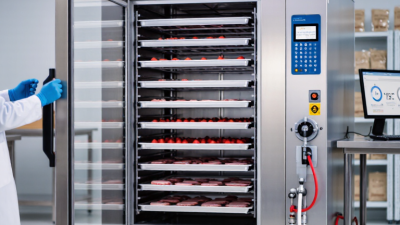
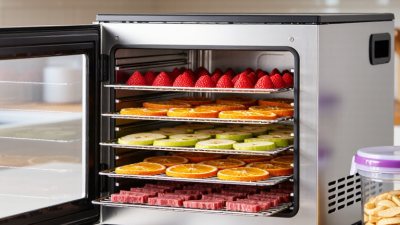
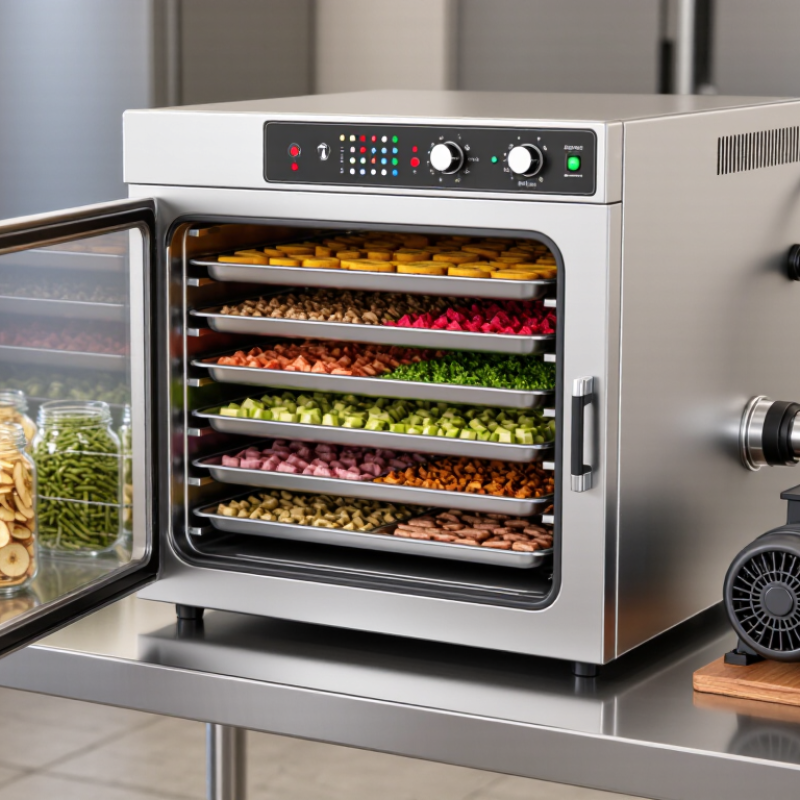
A food freeze dryer removes water while preserving food’s structure, aroma, and much of its flavor. It first freezes prepared food, often below -30°C. The machine then creates a strong vacuum inside the chamber. Under this pressure, ice changes directly into vapor. This process is called sublimation. A condenser captures the vapor on a very cold surface. A final warming stage removes remaining moisture.
The result is lightweight food with a crisp texture. Properly dried fruit should snap, not bend. Meat should feel dry through the center, not only on the surface. Moisture meters can improve quality control, although small operators may rely on texture checks. Packaging matters just as much. Use moisture and oxygen barriers, then seal portions soon after drying. A small leak can soften food overnight.
When comparing food freeze dryers for sale worldwide, examine chamber size, vacuum performance, condenser temperature, power requirements, cycle duration, and service access. Household units may suit occasional batches, while commercial systems need stronger pumps and washable interiors. Noise and heat output are easy to underestimate. Check local voltage and replacement-part availability before buying. Results are not always perfect. Sugary fruit may remain slightly chewy, and dense meals often need extra drying time.
Top 10 Food Freeze Dryers for Sale Worldwide
A food freeze dryer removes ice from frozen food through sublimation under vacuum. The chart below shows representative freeze-drying cycle times for common food categories. Actual results vary with moisture content, slice thickness, load size, shelf temperature, and vacuum level.
How it works: Food is first frozen, then placed in a vacuum chamber. Controlled heat allows the frozen water to change directly from ice into vapor, preserving much of the food’s shape, flavor, color, and nutrients. Foods with higher moisture content or greater thickness generally require longer cycles.
Key Features to Compare Before Buying a Freeze Dryer
Choosing among the top 10 food freeze dryers for sale worldwide requires more than comparing prices. Capacity, vacuum strength, condenser temperature, drying time, and service access deserve equal attention. A large chamber is not always better. It may consume more power when only half filled.
Fortune Business Insights valued the global freeze-drying equipment market at about USD 2.75 billion in 2023. Its report projects continued growth through 2032, driven partly by demand for shelf-stable foods. However, market growth does not guarantee equal machine quality. Compare stainless-steel contact surfaces, removable trays, automatic cycle controls, and recorded temperature data. A condenser reaching approximately -40°C or lower usually supports efficient vapor capture. Still, advertised specifications can hide practical limits. Test results with fruit, meat, and dairy may differ greatly.
Tips: Ask for documented batch capacity, not just chamber volume. Check vacuum-pump noise, oil-change needs, and replacement-part availability. Review the warranty in writing. The International Institute of Refrigeration notes that freeze-drying performance depends strongly on product thickness and formulation, so one preset cycle cannot suit every food. I would also request a sample log from a real production run. It reveals more than polished brochures. Don’t ignore cleaning time. That is where many buying calculations become unrealistic.
Top 10 Food Freeze Dryers for Sale Worldwide - Key Features to Compare Before Buying a Freeze Dryer
| Rank |
Product Class |
Typical Fresh-Food Capacity per Batch |
Shelf Area |
Shelf Temperature Range |
Condenser Temperature |
Typical Cycle Time |
Vacuum Level |
Power Consumption |
Common Voltage Options |
Approx. Equipment Price |
Best Suited For |
| 1 |
Compact Home Freeze Dryer |
1.8–2.7 kg (4–6 lb) |
0.30–0.40 m² |
-40°C to +60°C (-40°F to +140°F) |
About -40°C to -50°C |
20–36 hours |
Typically below 500 mTorr |
0.8–1.3 kW during operation |
110–120 V or 220–240 V |
US$2,000–US$4,000 |
Small households, hobby users and occasional preservation |
| 2 |
Large Home Freeze Dryer |
3.6–5.4 kg (8–12 lb) |
0.40–0.55 m² |
-40°C to +60°C (-40°F to +140°F) |
About -40°C to -50°C |
20–40 hours |
Typically below 500 mTorr |
1.0–1.8 kW during operation |
110–120 V or 220–240 V |
US$3,000–US$6,000 |
Families, home gardens and emergency food storage |
| 3 |
High-Capacity Home Unit |
5.4–8.2 kg (12–18 lb) |
0.55–0.75 m² |
-45°C to +60°C (-49°F to +140°F) |
About -45°C to -55°C |
24–48 hours |
Approximately 100–500 mTorr |
1.3–2.2 kW during operation |
220–240 V preferred; some 110–120 V versions |
US$4,500–US$8,000 |
Frequent home use, bulk harvesting and small food projects |
| 4 |
Entry-Level Commercial Unit |
9–18 kg (20–40 lb) |
0.80–1.30 m² |
-50°C to +70°C (-58°F to +158°F) |
About -50°C to -60°C |
24–48 hours |
Usually below 300 mTorr |
2.0–4.0 kW during operation |
220–240 V, single-phase |
US$8,000–US$18,000 |
Farm shops, small food businesses and test production |
| 5 |
Small Commercial Production Unit |
18–32 kg (40–70 lb) |
1.30–2.00 m² |
-50°C to +70°C (-58°F to +158°F) |
About -50°C to -60°C |
24–50 hours |
Usually below 300 mTorr |
3.0–6.0 kW during operation |
220–240 V or 380–415 V, three-phase |
US$15,000–US$35,000 |
Specialty food producers, cafés and direct-to-consumer sales |
| 6 |
Medium Commercial Freeze Dryer |
32–55 kg (70–120 lb) |
2.00–3.20 m² |
-55°C to +70°C (-67°F to +158°F) |
About -55°C to -65°C |
26–55 hours |
Typically 100–300 mTorr |
5.0–10.0 kW during operation |
380–415 V, three-phase |
US$30,000–US$65,000 |
Growing food brands, contract processing and regional production |
| 7 |
Large Batch Production Unit |
55–90 kg (120–200 lb) |
3.20–5.00 m² |
-55°C to +70°C (-67°F to +158°F) |
About -55°C to -65°C |
28–60 hours |
Typically 100–300 mTorr |
8.0–16.0 kW during operation |
380–415 V, three-phase |
US$55,000–US$110,000 |
Established processors and high-volume specialty products |
| 8 |
Industrial Cabinet Freeze Dryer |
90–180 kg (200–400 lb) |
5.00–8.00 m² |
-60°C to +80°C (-76°F to +176°F) |
About -60°C to -70°C |
30–72 hours |
Typically 50–250 mTorr |
15–30 kW during operation |
380–480 V, three-phase |
US$100,000–US$220,000 |
Industrial food processing and private-label production |
| 9 |
Continuous-Feed Freeze-Drying System |
180–450 kg (400–1,000 lb) |
8.00–15.00 m² equivalent |
-60°C to +80°C (-76°F to +176°F) |
About -60°C to -75°C |
24–72 hours, depending on product |
Typically 50–200 mTorr |
30–70 kW during operation |
380–480 V, three-phase |
US$200,000–US$500,000+ |
Large-scale food factories requiring consistent throughput |
| 10 |
Custom Industrial Freeze-Drying Line |
450 kg+ (1,000 lb+) |
15.00 m²+ equivalent |
-60°C to +80°C (-76°F to +176°F) |
About -60°C to -75°C |
24–72 hours, based on formulation and loading |
Typically 50–200 mTorr |
60 kW+ during operation |
380–480 V, three-phase |
US$500,000+ |
Major food manufacturers and fully automated production lines |
Comparison note: Capacity figures refer to the approximate weight of fresh food loaded per batch. Actual performance depends on food type, water content, tray loading, pre-freezing, ambient temperature, vacuum-pump condition and control settings. Prices are broad equipment-only estimates in US dollars and may exclude shipping, taxes, installation, vacuum pumps, oil, packaging equipment and electrical upgrades.
Top 10 Food Freeze Dryers Available for Sale Worldwide
Top 10 Food Freeze Dryers for Sale Worldwide
Top 10 Food Freeze Dryers Available for Sale Worldwide
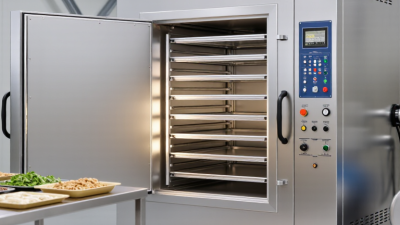
Choosing among the top ten food freeze dryers requires more than comparing advertised capacity. A reliable machine should remove moisture under controlled vacuum and low temperatures. Buyers should inspect chamber volume, shelf spacing, condenser performance, and electrical requirements. Stainless steel construction is valuable in kitchens and small processing rooms. Check the door seal carefully. A weak seal can reduce drying consistency.
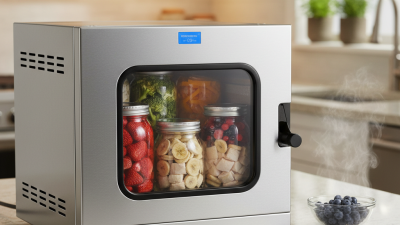
Available units range from compact household machines to larger systems for farms, laboratories, and food businesses. Smaller models suit fruit slices, cooked meals, herbs, and emergency food storage. Commercial systems handle heavier batches but need stronger ventilation, stable power, and trained operators. Look for clear temperature controls, automatic cycle settings, replaceable seals, and accessible service support. International buyers must confirm voltage, plug type, shipping limits, and local warranty arrangements before payment.
Real use reveals details that product pages often miss. A full tray of strawberries may need more time than expected. Sticky foods can also require extra preparation. Cut pieces evenly, avoid overloading shelves, and cool food before sealed packaging. My practical concern is cleaning: narrow corners collect residue quickly. Some advertised capacities may feel optimistic in daily use. Ask for verified test results, noise information, spare-part availability, and operating instructions. A careful comparison of these ten worldwide options can prevent expensive surprises.