What Is the Best Freeze Dryer for Sale?
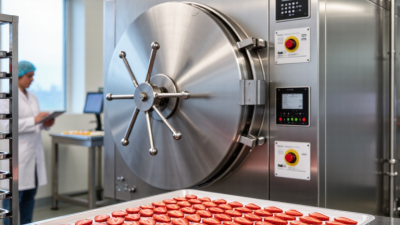
Choosing the right Freeze Dryer For Sale requires more than comparing prices, chamber size, or attractive product photos. Buyers must evaluate vacuum performance, condenser temperature, batch capacity, electrical requirements, service support, and total ownership cost. A compact household unit may preserve garden fruit efficiently, while a commercial machine must handle repeated cycles, stable pressure, and documented maintenance.
Industry data supports this growing interest. Fortune Business Insights reports that the global freeze-drying market was valued at approximately USD 2.75 billion in 2022 and may reach about USD 5.04 billion by 2030. MarketsandMarkets also identifies pharmaceutical and food applications as major growth areas, driven by longer shelf life and improved product stability. These figures show opportunity, but they do not guarantee that every advertised machine fits your operation.
The details matter.
A reliable buying decision should compare real cycle times, ice capacity, shelf temperature, noise levels, and warranty conditions. Ask whether the manufacturer publishes vacuum-pump specifications and provides replacement parts. Check the chamber seal carefully; a weak seal can create unstable pressure and wasted batches. Energy consumption also deserves attention, especially for frequent users.
Professional experience suggests that the “largest” model is not always the best choice. Oversized equipment can increase installation costs and leave valuable shelf space unused. Smaller systems may seem economical, yet slow cycles and limited support can become expensive. This article examines practical specifications, user experience, and credible industry evidence, while acknowledging one uncomfortable truth: published performance data may not match everyday conditions.
What Is a Freeze Dryer and How Does It Work?
What Is the Best Freeze Dryer for Sale?
What Is a Freeze Dryer and How Does It Work?
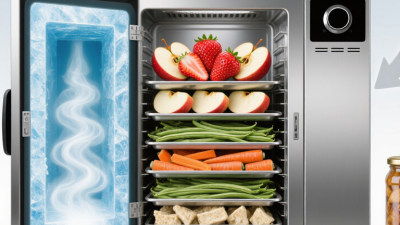
A freeze dryer removes water through sublimation. Ice changes directly into vapor under low pressure. The process usually has three stages: freezing, primary drying, and secondary drying. During freezing, food or another permitted material becomes solid, often below -30°C. A vacuum pump then lowers chamber pressure. Gentle heat encourages ice to leave without passing through a liquid state.
The equipment needs more than a cold chamber. A reliable unit combines stable temperature control, vacuum monitoring, condenser capacity, and accurate sensors. Research and Markets reported continued growth in the global freeze-drying equipment market, driven by pharmaceutical, food, and biotechnology demand. Grand View Research also identified freeze-drying technology as a growing market, with process reliability remaining a major purchasing factor. These reports support careful evaluation, not automatic trust.
A practical test is simple. Place evenly cut samples on trays, record the cycle, and inspect texture afterward. Properly dried food should feel crisp, not cold or rubbery. Moisture can hide inside thick pieces. That is where mistakes happen. Energy use, cycle time, noise, and pump maintenance also affect ownership costs. The best freeze dryer for sale is not always the largest model. It should match batch size, available ventilation, operator experience, and realistic maintenance habits. I would still question any product promising effortless, perfect results every time.
Which Features Matter When Choosing a Freeze Dryer?
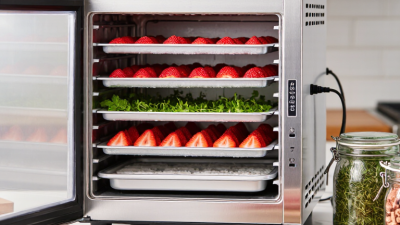
Choosing the best freeze dryer for sale starts with the features that fit your actual workload. Chamber capacity matters, but usable shelf space matters more. A unit may claim several trays, yet uneven spacing can limit jar height or bulky food pieces. Measure your storage containers before buying.
Temperature control should be precise and stable. Look for clear readings, adjustable settings, and a vacuum system that maintains pressure consistently. A reliable pump can reduce drying problems, but it may require regular oil changes or filter care. Noise also matters. A machine operating beside a kitchen can become surprisingly distracting.
Check the controls carefully. A simple touchscreen is useful when your hands are wet or cold. Automatic shutdown protects food and reduces energy waste during long cycles. Stainless steel shelves are easier to clean, especially after sticky fruit or dairy spills. Door seals deserve attention too. A weak seal can increase drying time and produce uneven results.
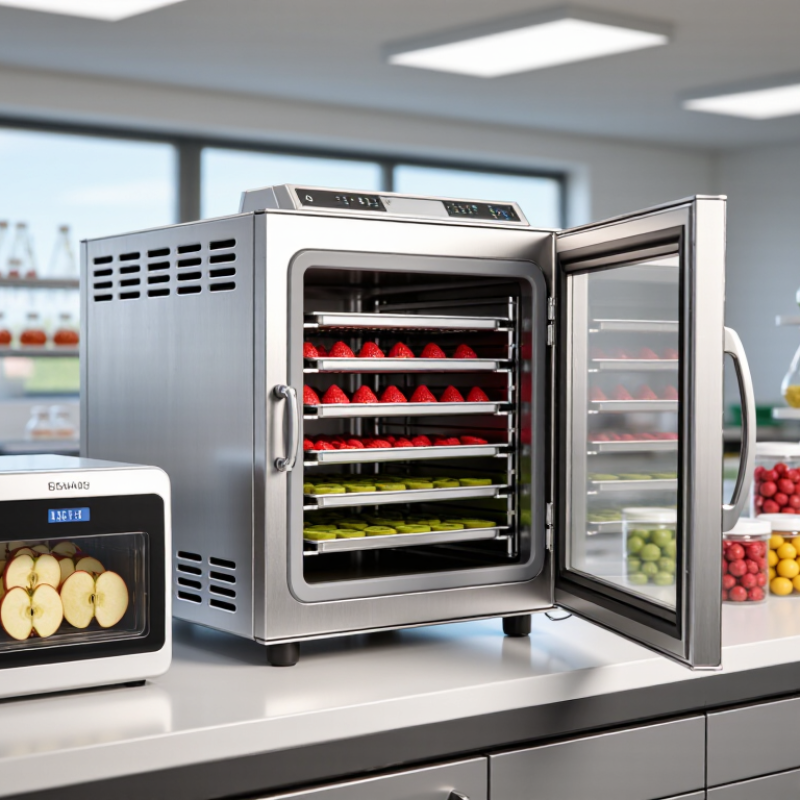
I prefer models with accessible replacement parts and readable service instructions. That support often matters more than a polished exterior. Energy use should be reviewed alongside batch size, not separately. A cheaper machine may cost more if it handles small loads inefficiently. My own selection process would include one test batch with sliced apples, because color, texture, and dryness reveal weaknesses quickly. No feature list replaces that test.
How Do Home, Laboratory, and Commercial Models Differ?
What Is the Best Freeze Dryer for Sale?
How Do Home, Laboratory, and Commercial Models Differ?
A home freeze dryer is designed for small, irregular batches: think sliced apples on a few trays, not continuous production. Many household units process several pounds of fresh food per batch, and cycles can run for a day or longer. That trade-off matters when electricity, noise, and tray space are limited. The food-science review by Ratti in the Journal of Food Engineering explains why freeze-drying can preserve product structure and quality, but it also notes the process is energy-intensive. More capacity is not automatically better.
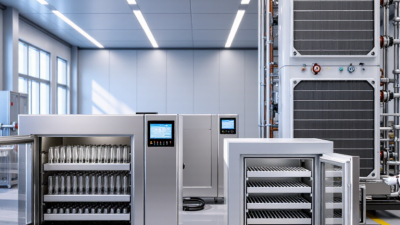
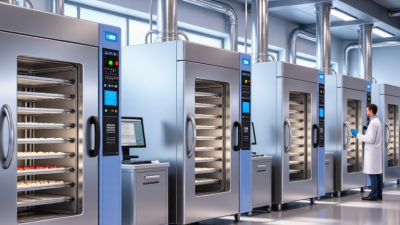
Laboratory models prioritize control and repeatability. They commonly offer adjustable shelf temperatures, vacuum monitoring, and data logging, so researchers can compare carefully controlled runs. Commercial systems scale up chamber and shelf area, support larger loads, and are built for frequent operation. Pharmaceutical guidance from the FDA emphasizes controlling and documenting critical process parameters during validation; that discipline is useful beyond medicine, too. A home unit may show a cycle status, while a lab system can record conditions across the run. Quite a difference.
When comparing models, check usable tray area, batch mass, temperature range, vacuum performance, cleaning access, and service support. Published capacity figures can be misleading: wet weight is not dried yield, and dense foods may need more shelf space. I’d also treat advertised cycle times cautiously. Product thickness, water content, and room conditions all matter, and real batches rarely behave perfectly.
How Can You Evaluate Cost, Capacity, and Long-Term Value?
A freeze dryer’s price is only the starting point. Compare the purchase cost with expected electricity use, routine maintenance, replacement parts, and any installation needs. Ask what the warranty covers and how service is handled. A low price can become less attractive if a worn seal or pump is difficult to replace. Check those details before buying.
Capacity should match the food you actually prepare, not an idealized maximum. Compare usable tray area and recommended batch weight, then consider how often you would run a full load. A family preserving garden produce may value several modest batches more than one oversized unit. Leave room for uneven pieces and airflow; tightly packed trays can slow drying. Small details matter.
Think in years, not weeks. Look for clear operating instructions, accessible parts, and a design that is practical to clean. Estimate the cost per batch using your local electricity rate and realistic cycle times, rather than relying on optimistic examples. Ask whether common foods need different preparation or drying times. They often do. One drawback is easy to overlook: a large machine may save batch time but take up valuable storage space. I would compare two or three models using the same batch size and usage assumptions. That comparison may still be imperfect, but it is more useful than choosing by sticker price alone.