Why Choose a Freeze Dry Machine for Home Use?
A Freeze Dry Machine For Home can turn seasonal produce, leftovers, and garden herbs into lightweight food that stores for months when properly packaged. Imagine strawberries from a summer basket, crisp and fragrant after rehydration, or soup ingredients ready for a quick weeknight meal. That convenience is appealing. So is reducing waste. But a home machine takes counter space, uses electricity, and requires patience; it is not a magic shortcut.
Food-safety specialist Dr. Brian Nummer’s guidance can be summarized this way: “Removing moisture does not replace careful food handling.” This is a paraphrase, not a verbatim quotation. Clean preparation, complete drying, airtight packaging, and sensible storage all matter. A batch that still feels cool or soft in the center may need more drying time. Small details count.
This guide explores why households choose freeze-drying, what the process can and cannot do, and which practical costs deserve attention. We’ll look at common foods, storage habits, and the learning curve behind a dependable batch. Results can vary with ingredients and machine settings. Even experienced users sometimes misjudge a tray. That part is worth admitting. The right machine may suit a family that preserves garden harvests or plans meals ahead, but it may not suit every kitchen or budget. The useful question is not simply whether freeze-drying works. It is whether the time, space, and ongoing effort make sense for your home.
What a Home Freeze Dryer Is and How It Works
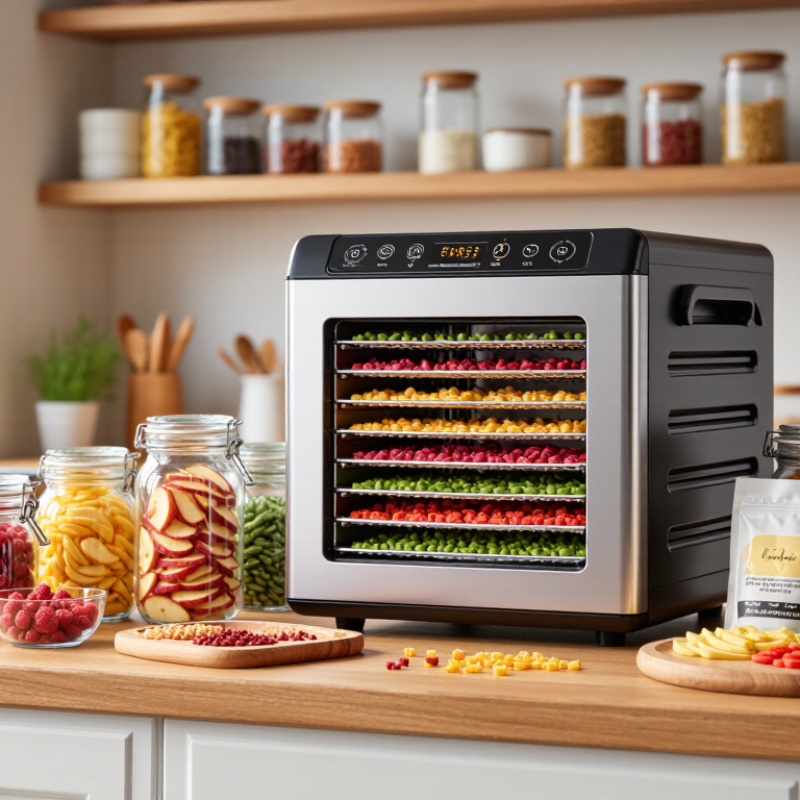
A home freeze dryer removes water from food while keeping it frozen. You place prepared food on shallow trays, then the machine lowers the temperature and creates a vacuum. Under these conditions, ice changes directly into water vapor instead of melting into liquid. This process is called sublimation. A cold condenser captures much of that vapor. Later, the machine gently warms the food to remove more remaining moisture. It takes time. A batch may run for many hours, depending on the food’s thickness, water content, and starting temperature.
The result should feel dry and light, not cool or bendy in the center. A strawberry slice may become crisp, while a thicker piece needs more drying time. Check a sample from the middle of the tray; I would not rely on appearance alone. Any leftover moisture can affect storage. Once fully dry, food needs prompt packing in airtight containers with suitable moisture protection. Freeze drying does not make food sterile, and it cannot fix poor handling before processing. Clean trays, careful preparation, and the machine’s instructions matter. It is convenient, but not effortless. Even experienced users sometimes need to adjust a batch.
How Freeze-Drying Preserves Food
Freeze-drying preserves food by removing water while the food remains frozen. A home machine first freezes items such as sliced strawberries or cooked soup, then lowers pressure so ice turns directly into vapor. This is sublimation. Because the food is not heated like it is during conventional drying, its shape, color, and flavor can remain closer to fresh food. Many nutrients are retained, though results vary by food and handling.
The key is moisture control. The FDA’s regulation for certain low-acid foods uses a water-activity boundary of 0.85, reflecting how available water affects microbial growth; it is not a guarantee that every dried food is safe. Freeze-dried food also needs airtight packaging, because humid air can soften crisp apple slices and shorten storage life. Not sterilization. Clean preparation still matters, and microbes may survive the process.
There is a practical reason to care. FAO’s 2023 report, The State of Food and Agriculture, estimates that 13.2% of food was lost between harvest and retail worldwide in 2021. Home preservation cannot solve supply-chain losses, but it can help use extra garden produce or leftovers. Expect some trial and error: thick pieces dry unevenly, and a batch that feels dry may still hide moisture at its center. Check texture, package promptly, and inspect food before eating.
Key Benefits of Freeze-Drying at Home
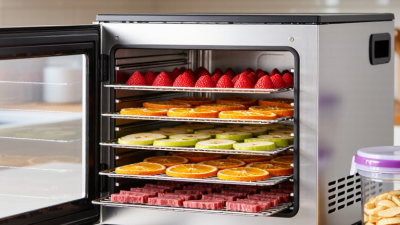
Freeze-drying at home lets you preserve seasonal food while keeping much of its original shape, color, and flavor. A tray of sliced strawberries, for example, can become crisp and light rather than dark and sticky. The machine freezes food, then removes ice as vapor under low pressure. It takes hours, sometimes longer.
The process can be useful when a garden produces more than you can eat, or when you want lightweight ingredients for trips. Many foods rehydrate with warm water, making them handy for soups, fruit toppings, and quick meals. You can also choose the ingredients and portion sizes, which helps reduce unwanted additives and food waste.
Still, freeze-drying is not a shortcut to food safety. Wash produce, handle cooked foods carefully, and make sure items are fully dry before sealing them in moisture-resistant packaging. Store packages in a cool, dark place and label them with the contents and date. A little moisture can spoil the result.
The equipment also needs counter space, electricity, cleaning, and patience. My first batches might not dry evenly; thick pieces often need more time. That learning curve is real.
Costs, Space, and Maintenance to Consider
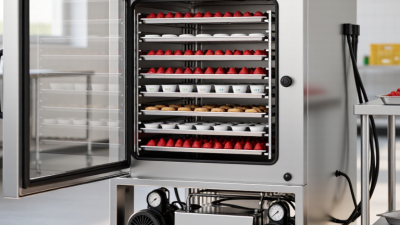
A home freeze dryer is a substantial appliance, not a countertop gadget. Before buying, measure its footprint and leave room to load trays, open the chamber, and reach the pump. It may also need a stable, ventilated spot; the pump can be noisy, and the unit releases heat. A garage shelf might seem ideal, but temperature swings and a long walk to the kitchen can make regular use less appealing.
Electricity is a recurring cost, and batch times and power use vary with the food, load, and machine. The U.S. Energy Information Administration reported an average residential electricity price of 16.0 cents per kilowatt-hour in 2023. At that rate, every 100 kWh costs about $16, before taxes. Measure actual use with a suitable plug-in energy meter rather than relying on a guess. Maintenance matters, too: oil-lubricated pumps may need oil checks or changes, while all systems need clean trays and inspected seals. Read the manual; upkeep is easy to underestimate.
Tips: Measure twice; track watts. Keep a simple log of batch time, energy use, and cleaning. It may reveal that smaller, less frequent batches suit your household better. Source: U.S. Energy Information Administration, Electric Power Monthly, 2023 annual average residential electricity price.
How to Choose a Freeze Dryer for Home Use
Why Choose a Freeze Dry Machine for Home Use?
How to Choose a Freeze Dryer for Home Use
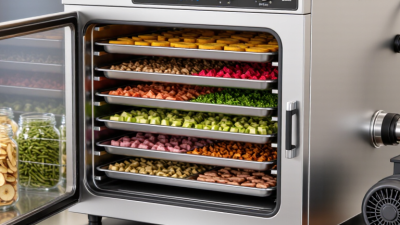
Start with what you actually plan to preserve. A household that dries berries, herbs, and occasional leftovers may need less tray space than one processing garden harvests every week. Check the usable tray area and recommended batch size, not just the machine’s outer dimensions. Measure twice. Leave room for the door, airflow, and a nearby work surface.
Check the load. A freeze dryer can run for many hours, so consider its power needs, operating noise, and where it will sit. A laundry room or garage may work, but temperature and ventilation requirements vary by model. Read the manual before buying. Also compare pump maintenance: some pumps require periodic oil changes, while others use different care routines. Replacement parts and local service matter when a machine becomes part of your regular routine.
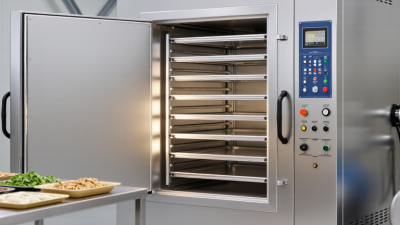
Think about the complete workflow, from pre-freezing food to sealing dry batches in airtight containers. Fruit pieces should be similar in size, and thick foods may take longer to dry. Small details matter. Look for clear controls, easy-to-clean trays, and reliable guidance on checking dryness. Capacity claims can sound generous; I would leave a little room for imperfect planning. A machine that fits your counter, schedule, and typical batch is usually more practical than the largest option.