Cuddon Freeze Dry Logo

2026 Top Freeze Dried Food Suppliers for Global Buyers

Global demand for Freeze Dried Food is growing, but a supplier list should mean more than a long directory. Grand View Research estimated the global freeze-dried food market at about USD 7.3 billion in 2023 and projected continued growth through 2030. That market signal matters to buyers planning retail, emergency, outdoor, and ingredient programs. Still, forecasts are not purchase orders. Product quality and dependable delivery decide whether a supplier is truly useful.

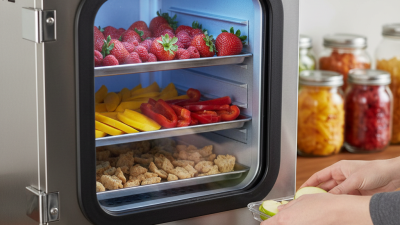
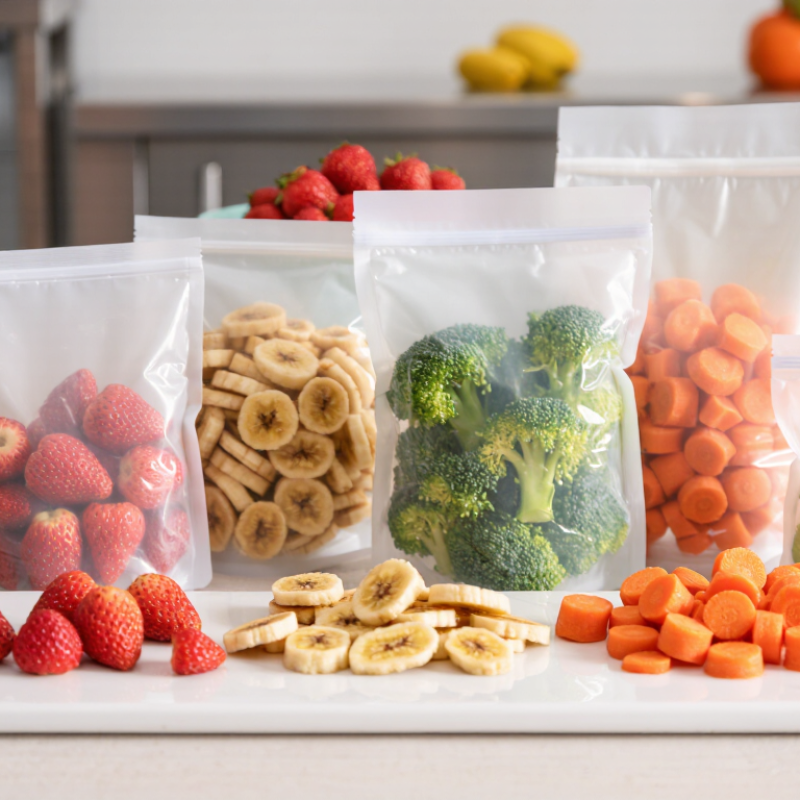
Freeze-drying removes moisture under low pressure, helping preserve product shape, flavor, and shelf stability. Buyers can see the difference in a pouch of strawberries: intact pieces, little powder, and quick rehydration. Former NASA food scientist Michelle Perchonok has described a core requirement for crew food as “safe, nutritious, and acceptable.” It is a useful standard for commercial sourcing, too. Ask suppliers for product specifications, processing details, sample evaluations, and evidence supporting shelf-life claims. Check how they control moisture and packaging integrity. Small details matter.

The 2026 supplier landscape will reward companies that pair technical consistency with clear communication. Compare ingredient origin, minimum order quantities, production capacity, and export experience. Request recent test results, not just polished brochures. Not every supplier delivers. And even strong suppliers may have limits: crop variation can affect color, size, and flavor between batches. This guide introduces leading options for global buyers, while recognizing that “top” depends on the product, destination, and business need. A careful sample review remains essential before a large commitment.
2026 Top Freeze Dried Food Suppliers for Global Buyers

Global Freeze-Dried Food Suppliers: Products, Regions, and Buyer Markets

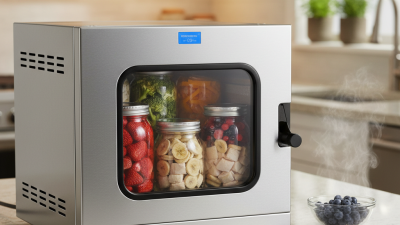
Global freeze-dried food suppliers serve buyers with different product needs, from retail snacks to ingredients for food manufacturing. Common offerings include berries, vegetables, herbs, cooked grains, and meal components. Buyers should check cut size, moisture specifications, packaging format, and available shelf-life data. A crisp strawberry slice may suit a snack pouch, while fine fruit powder works better in drink mixes.

Supply regions often reflect crop availability and processing capacity. Buyers may source tropical fruit from warm-climate growing areas, or vegetables from regions with established dehydration facilities. However, origin alone does not guarantee consistent quality. Ask suppliers about harvest periods, batch testing, traceability records, and how they protect products from moisture during storage and shipping. Documentation matters. Freight delays can affect delivery schedules, and planning assumptions sometimes prove too optimistic.

Tips: Request samples from more than one production batch, then compare color, aroma, texture, and rehydration. Match packaging to the destination’s climate and storage conditions. Clarify minimum order quantities, lead times, and export documents before confirming a purchase. For new suppliers, a small trial order can reveal practical issues that a specification sheet misses. It is not foolproof, but it is a useful start.

Why Freeze-Drying Matters: FAO Reported 13.2% Food Loss in 2021

FAO reported a 13.2% global food-loss rate in 2021, covering losses from production through the stages before retail (SDG indicator 12.3.1a). That figure does not measure freeze-drying’s impact. But it shows how much food fails to reach shoppers. Dried ingredients can support longer storage when harvests peak or cold storage is limited.

Freeze-drying removes ice under low pressure, helping preserve food structure and rehydration quality. A technical review by Ratti in the Journal of Food Engineering (2001) discusses its use for high-value foods and the process trade-offs. It can use substantial energy, while poor packaging lets moisture undo the work. Ask suppliers for water-activity specifications, test results, lot traceability, and shelf-life data under stated storage conditions.

Tips: Request a recent certificate of analysis and a sample from the same production lot. Check whether it rehydrates evenly; look for clumping, discoloration, or stale odors. Small details matter. Freeze-dried food can still be wasted if buyers over-order or store it poorly.

How Freeze-Drying Works: Water’s Triple Point Is 0.01°C and 611 Pa

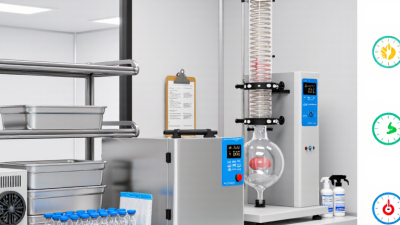
Freeze-drying uses water’s triple point as a useful guide. At about 0.01°C and 611 Pa, ice, liquid water, and vapor can coexist. These values describe a specific equilibrium, not a universal machine setting. In a freeze-dryer, food is frozen and the chamber pressure is reduced. Under suitable conditions, ice changes directly into vapor instead of melting first. This process is called sublimation.

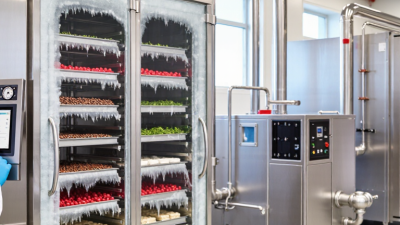
Heat must be added carefully. Too little can slow drying; too much may soften the frozen structure or damage texture. A tray of berries, for example, may dry unevenly if pieces vary in size. The vapor travels to a colder condenser, where it becomes ice again. Later, a secondary drying stage can help remove some remaining bound moisture. The details matter. It is easy to focus on pressure and overlook product temperature.

Tips: Check pressure with calibrated instruments, and record product temperature during drying. Keep piece sizes consistent. If the center stays damp, review the cycle rather than assuming the surface tells the whole story. This small check can prevent a frustrating batch.

How Buyers Verify Suppliers: HACCP, ISO 22000, Testing, and Traceability

A supplier’s HACCP plan should identify hazards at each processing step, from incoming produce to sealed cartons. Ask how staff monitor drying temperatures, prevent cross-contamination, and record corrective actions. A certificate alone is not enough. Check its scope, issuing body, expiry date, and whether the audited site matches the factory making your order. ISO 22000 can show that a food safety management system is in place, but it does not guarantee every batch is flawless.

Request recent, lot-specific test reports rather than a generic sample. Depending on the product and destination, review microbiological results, moisture levels, and water activity. These details matter: a pouch that feels crisp may still need proper testing. Confirm that the laboratory is qualified for the methods used, and compare report dates with production dates. Packaging integrity checks and equipment calibration records add useful context.

Traceability should work in both directions. Give the supplier a lot code and ask them to identify the raw material source, production date, and shipment records. Then ask how quickly they could isolate affected cartons during a mock recall. Paperwork can look tidy; the real test is whether records connect clearly. Gaps happen, even in mature systems, so discuss them openly and agree on corrective steps before placing a large order.

How to Compare 2026 Suppliers: Capacity, Minimum Orders, Specs, and Packaging

Global buyers comparing 2026 freeze-dried food suppliers should look beyond headline production capacity. Ask how much output is available for your product, not the factory’s total annual volume. A line producing fruit pieces may not handle powder on the same schedule. Request recent production records and a realistic lead-time estimate. Small details matter.

Minimum orders can vary by ingredient, cut size, and packaging format. Compare the cost of a trial order with the reorder threshold, and confirm whether mixed products count toward one order. Check specifications for moisture limits, piece dimensions, ingredient statements, and testing methods. Ask for a current sample and its matching specification sheet. A spreadsheet helps, but it cannot show every batch variation.

Tips: Request a written quote that lists capacity, minimum order, lead time, and packaging dimensions. Check whether pouches need extra barriers against moisture and oxygen, and ask how cartons are protected during transit. Clarify labeling and lot-code placement before approving artwork. Keep one retained sample from the approved batch. It is a simple safeguard, though not a perfect one.

2026 Top Freeze Dried Food Suppliers for Global Buyers — How to Compare 2026 Suppliers: Capacity, Minimum Orders, Specs, and Packaging
Supplier Profile Indicative Finished-Product Capacity Typical Minimum Order Common Product Specifications Typical Packaging Options Indicative Lead Time Buyer Considerations
Small-batch specialty processor Approximately 1–5 metric tons per month About 25–100 kg per product or SKU Single-ingredient fruit, vegetables, herbs, or cooked ingredients; cut sizes and moisture targets confirmed by product specification Bulk foil pouches, lined cartons, or small retail pouches; custom printing may require a separate minimum Approximately 4–8 weeks after specification approval and deposit Useful for product development and smaller launches. Confirm batch-to-batch consistency, allergen controls, and whether testing is included.
Mid-size contract manufacturer Approximately 5–25 metric tons per month About 100–500 kg per product or SKU Fruit, vegetables, cooked meals, powders, and ingredient blends; specifications commonly cover moisture, water activity, particle size, and microbiological limits Bulk barrier bags, food-grade liners, cartons, and selected retail formats Approximately 6–10 weeks for repeat orders; first orders may take longer Ask for the production schedule, change-control process, and test reports for each lot. Verify that the quoted capacity applies to the required product and format.
Large-scale industrial processor Approximately 25–100+ metric tons per month About 500 kg–2 metric tons per product or SKU High-volume ingredient programs; agreed limits may include moisture, water activity, foreign matter, microbial criteria, and packaging integrity Bulk lined cartons, drums, or palletized barrier bags; retail packaging may be available subject to line and artwork minimums Approximately 8–16 weeks, depending on production slots and packaging materials Best suited to forecastable demand. Review capacity reservations, raw-material sourcing, contingency plans, and the terms for volume changes.
Private-label and retail-packaging partner Approximately 2–30 metric tons per month, depending on product and packing line Often 1,000–10,000 retail units per SKU; ingredient minimums may apply separately Retail-ready products with buyer-defined ingredients, serving sizes, nutrition information, and label requirements Printed pouches, jars, sachets, or cartons, subject to material and print-run minimums Approximately 8–16 weeks for a first run, including artwork and packaging approval Clarify ownership of artwork and packaging materials, label review responsibilities, and the cost of leftover printed packaging.
Important: These are indicative comparison ranges for supplier profiles, not verified quotes or claims about specific companies. Actual capacity, minimum orders, lead times, specifications, and packaging availability vary by product, facility, season, and destination market. Request current technical data sheets, lot-specific certificates of analysis, food-safety documentation, and written quotations before placing an order.