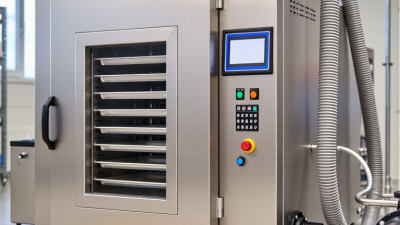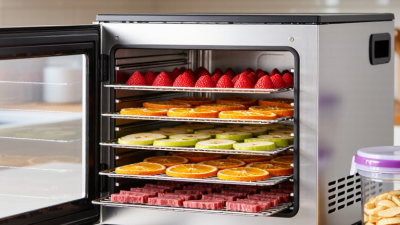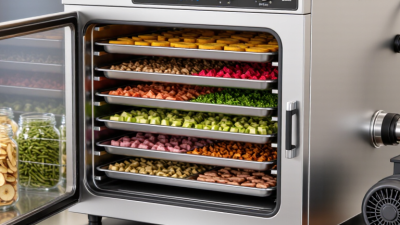
Choosing a Freeze Dry Machine For Home is less about buying the largest unit and more about matching its capacity, power needs, and upkeep to your kitchen. A tray of sliced strawberries may look simple, but a full batch can run for many hours and leave a noticeable hum in the room. Check the machine’s rated batch capacity, pump type, warranty, and replacement-part availability before comparing price tags. Small details matter.
Market reports offer context, not a shopping verdict. Grand View Research estimated the global lyophilization equipment market at about US$5.4 billion in 2022 and projected an 8.1% compound annual growth rate from 2023 to 2030. That figure covers equipment used across industries; it is not a home-machine sales forecast. The distinction is important. For practical food-preservation guidance, Dr. Elizabeth Andress, a University of Georgia Extension food-safety specialist, is a useful expert reference. Her work emphasizes following tested preservation guidance rather than relying on assumptions. I could not verify a direct quotation from her specifically about home freeze dryers, so I will not invent one.
This guide compares the choices that affect everyday use: batch size, counter space, pump maintenance, noise, and total operating cost. It also considers what happens after the cycle ends: food needs suitable packaging and dry storage to help protect its quality. A machine can preserve food, but it cannot make every ingredient taste better. And advertised capacity may not reflect the amount you actually want to process. The best choice is the one that fits your routine, budget, and willingness to maintain it.
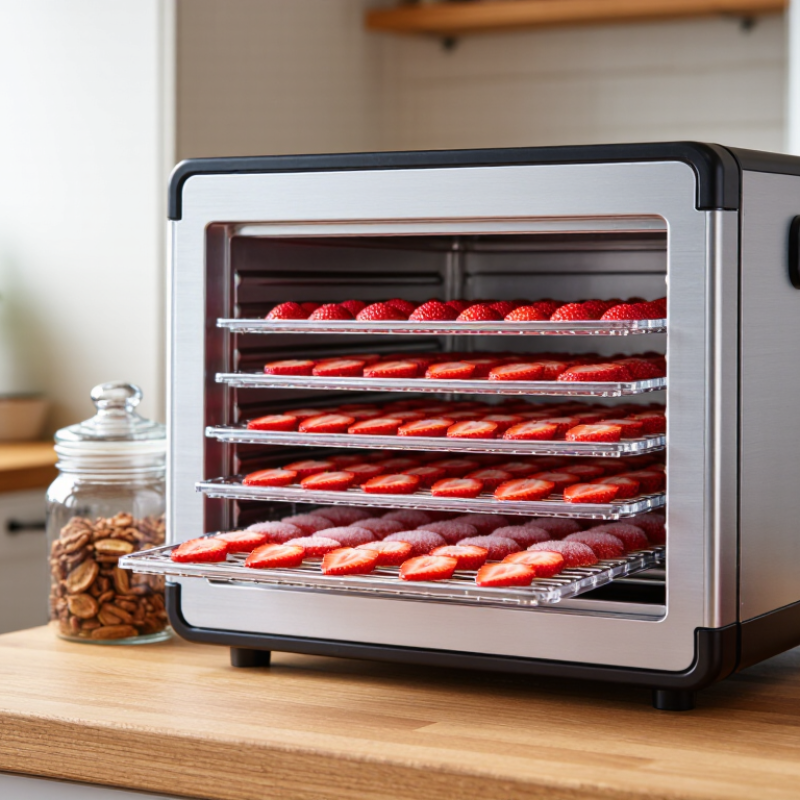
A home freeze dryer removes water through sublimation. Food is frozen solid, then the chamber pressure drops. Under vacuum, ice changes directly into vapor, rather than melting first. A cold condenser captures that vapor. During final drying, gentle heat helps remove remaining moisture. Thin apple slices may finish sooner than dense potato cubes, so uniform cutting matters. Small details count.
The result is light, crisp food that needs airtight packaging. But a dry surface does not prove the center is dry. I would check thick pieces and avoid guessing.
The FDA Food Code 2022 uses water activity above 0.85 as one criterion for foods requiring time-and-temperature control. This is a useful safety reference, not proof that home-dried food is sterile. Freeze drying reduces available water; it does not reliably destroy every harmful microorganism. For home use, choose a machine with clear temperature and vacuum readings, enough tray space for your usual batches, and instructions for checking dryness. Expect some trial and error.
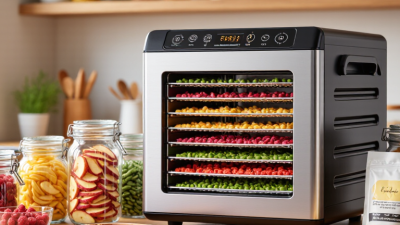
At home, many familiar foods can be freeze-dried when handled cleanly and cut evenly. Apples, bananas, berries, and peaches work well; remove bruised spots and slice pieces to similar thickness. Peas, corn, carrots, and cooked potatoes are also common choices. Small pieces dry more evenly. Some fruit may darken, and the texture can be surprisingly brittle.
Cooked beans, plain rice, pasta, soups, and complete meals can be dried, too. For meat, use fully cooked pieces and follow the machine’s loading and drying guidance. Freeze-drying removes moisture, but it does not reliably kill bacteria or make unsafe food safe. Cool leftovers promptly before processing, and avoid food that has sat out too long. I would not trust appearance alone.
Tips: Cut food evenly, keep raw and cooked foods separate, and pack fully dry food in airtight, moisture-resistant containers. Label each batch and inspect it for dampness before eating.
When comparing a home freeze dryer, look beyond advertised batch weight. Check usable tray area and the recommended food load per cycle. A machine may hold plenty of trays, yet bulky apple slices can reduce the practical capacity. Controls matter too: adjustable settings, clear cycle status, and recovery after a power interruption make operation easier. Keep it simple. If the manual does not explain how settings affect drying, ask the seller before buying.
Energy use deserves a closer look. The International Institute of Refrigeration’s 2019 report estimates that refrigeration accounts for about 17% of global electricity consumption. That figure covers refrigeration broadly, not home freeze dryers, so it is not a direct appliance comparison. For a fair estimate, multiply the machine’s input power by its typical cycle hours, then compare results for similar food loads. A plug-in energy meter can reveal actual consumption. I still find product listings frustrating when they show wattage but omit cycle-time examples.
Tips: Compare usable tray area, control features, and measured kilowatt-hours per batch. Ask about vacuum-pump maintenance and replacement costs, too. Leave clearance around the unit; a cramped counter can restrict airflow and add noise. Small details matter.
When evaluating a Chinese freeze dryer for home use, look beyond polished photos. Ask for clear specifications, including chamber capacity, tray dimensions, recommended batch size, and typical cycle time. Request test data for a real food load, not only an empty-machine demonstration. Ask for proof. A consistent vacuum reading and stable shelf temperatures matter more than impressive claims.
Inspect the details that affect daily use. Stainless-steel surfaces should be smooth, with tidy welds and no sharp edges. Check that the door seals evenly and the gasket is easy to replace. Ask how the vacuum pump is maintained, how often its oil needs attention, and whether replacement parts are readily available. Small details matter. A machine can look sturdy yet feel awkward when trays are loaded or cleaned; that part is easy to overlook.
Support deserves the same scrutiny as hardware. Before ordering, ask whether the manual includes setup steps, troubleshooting, and cleaning instructions. Confirm the warranty terms in writing, including coverage for the pump, controller, and labor. Find out who handles service, typical response times, and how parts are shipped to your location. Save the answers. Vague promises are not useful when a sensor fault stops a batch. I would also ask for a short video showing startup and defrosting; it may reveal practical issues the specification sheet misses. No checklist catches everything.
| Area | What to Check | Evidence to Request | Practical Guidance | Warning Signs |
|---|---|---|---|---|
| Batch capacity | Usable tray area and recommended fresh-food load per batch. | Tray dimensions, loading guidance, and a sample batch record. | Choose capacity based on how much food you prepare at one time, not just the number of trays. | Capacity claims without a stated measurement method or loading limits. |
| Cycle performance | Typical cycle duration, suitable food types, and how completion is determined. | Operating manual and test results for clearly identified foods and batch sizes. | Drying time varies with food, piece size, moisture, loading, and preparation; treat estimates as examples, not guarantees. | A single guaranteed cycle time for all foods and batch sizes. |
| Vacuum system | Pump type, operating requirements, maintenance, and replacement options. | Pump specifications, maintenance instructions, and parts availability details. | Confirm whether the pump is included and whether its power and upkeep suit your home setup. | Unclear pump configuration or no instructions for routine maintenance. |
| Condenser and defrosting | Condenser specifications, ice capacity guidance, and defrost procedure. | Technical documentation and cleaning or defrosting instructions. | Check how often defrosting is needed under your expected use and how water is removed. | No clear guidance for defrosting, drainage, or cleaning after a batch. |
| Materials and food contact | Materials used for trays and other surfaces that contact food. | Material specifications and applicable food-contact compliance documents for the intended market. | Check that trays are removable and that the manual explains safe cleaning and care. | Broad safety claims without documents identifying the materials or relevant standards. |
| Electrical and installation needs | Rated voltage, frequency, current or power, plug type, and ventilation clearances. | Rating-plate details, installation instructions, and compliance documents for the destination country. | Match the machine to your household supply and available space before ordering. | Specifications supplied only for a different voltage or market. |
| Controls and monitoring | Readability of controls, alarms, cycle status, and restart behavior after an interruption. | User manual, control-panel examples, and a demonstration of normal operation. | Look for clear operating steps and understandable messages for common faults. | No manual in a language you can use or no explanation of alarms. |
| Noise and home placement | Noise information, ventilation needs, footprint, and operating environment requirements. | Published noise data, overall dimensions, and placement guidance. | Allow space for airflow and consider that the vacuum pump and refrigeration system operate during use. | No placement or ventilation guidance for a machine intended for home use. |
| Warranty and service | Warranty duration, covered components, exclusions, and repair process in your country. | Written warranty terms, service contact details, and the procedure for submitting a claim. | Confirm who handles service after delivery and whether shipping or labor costs are covered. | Verbal promises that are not included in the written warranty terms. |
| Spare parts and technical support | Availability of seals, trays, sensors, pumps, and other service parts, plus support response channels. | Parts list, ordering process, support hours, and example troubleshooting instructions. | Ask about parts availability and expected fulfillment arrangements before purchase. | No identifiable support channel or no information about replaceable parts. |
| Documentation and final checks | Model-specific manual, serial or rating information, packaging, and pre-shipment inspection process. | Sample manual, inspection checklist, and confirmation of included accessories. | Compare documents with the exact model and configuration being quoted. | Documents that do not identify the model or differ from the quoted configuration. |
Specifications and performance vary by model and operating conditions. Verify all technical details, compliance documents, warranty terms, and support arrangements for the exact unit and destination market before purchase.
Choosing a home freeze dryer starts with your household’s actual routine, not the largest capacity available. How many meals, garden harvests, or leftovers would you process in a typical week? The UN Environment Programme’s Food Waste Index Report 2024 estimates that 1.05 billion tonnes of food were wasted worldwide in 2022; households accounted for 60 percent. That figure is global, not a prediction for your kitchen. Still, it shows why preserving food can matter.
Match tray capacity to the batches you can prepare, store, and use. A large unit may suit a busy family with a garden, but it also needs more floor space, ventilation, and room for packaged food. Measure the spot before buying. Check the electrical requirements, expected cycle length, pump maintenance, and cleaning steps in the manual. Noise matters too, especially if the machine will run near bedrooms. For a smaller household, frequent modest batches may be easier to manage than one oversized load. Keep a notebook for batch size and results; it helps, though it will not prevent every uneven tray. Ask sellers for tested capacity and operating details, and compare those figures with your own needs. A little guesswork remains. That is worth admitting.