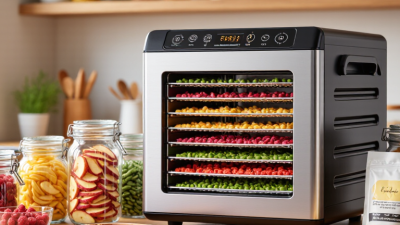
How to Choose the Best Food Freeze Dryer for Sale?
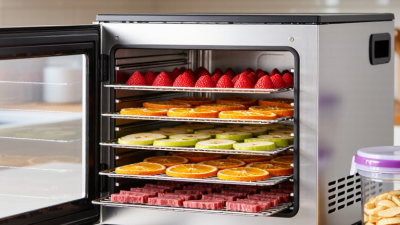
Choosing a Food Freeze Dryer For Sale starts with the food you plan to preserve, not the largest machine on the page. Berries, herbs, cooked meals, and pet treats vary in moisture, density, and batch size. A unit that handles a tray of sliced strawberries may feel cramped when you prepare several family meals. Capacity matters.
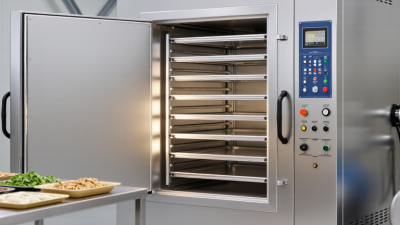
Check the usable tray area, stated batch capacity, cycle time, and vacuum-pump requirements. These details affect daily use more than a polished product photo. Look for clear operating instructions, realistic performance information, accessible replacement parts, and responsive technical support. A stainless-steel chamber can be easier to clean, while a quieter pump may matter in a small home. Measure the installation space, too. Leave room for ventilation and routine maintenance.
Think about the full cost, not just the listed price. Electricity use, pump oil or maintenance needs, shipping, warranty coverage, and service availability can change the value considerably. Compare specifications across models, and ask sellers how their capacity figures are measured. Vague answers deserve a closer look. Even a capable freeze dryer cannot fix poor food preparation or unsuitable storage after processing. That part is easy to underestimate. This guide explores the practical questions worth asking before you buy, helping you match machine size, features, and support to your real workload. Some needs are hard to predict, so allow a little flexibility without paying for capacity you may never use.
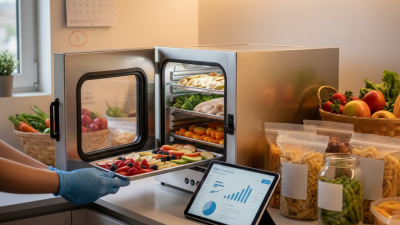
Identify Your Food Preservation Needs and Expected Batch Size
Before choosing a food freeze dryer, define what you plan to preserve and how often you will use it. A household saving berries, herbs, and leftovers has different needs from a gardener processing several trays of vegetables after harvest. List your usual foods, portion sizes, and storage goals. Strawberries may need slicing, while chopped onions can spread across trays more evenly. Small batches matter.
Estimate the prepared food you expect to load in a typical cycle, not just the fresh food you bring home. Peeling, slicing, and removing pits can change the usable amount. Then compare that estimate with the dryer’s stated tray capacity and recommended loading guidance. Capacity figures can be easy to misread, so check how the maker defines them. Your first estimate may be off. That is normal; track a few real batches and adjust.
Tips: Keep a simple log. Note the food, prepared weight, tray space used, and drying time. If you mostly preserve small amounts, a large unit may sit idle. If surplus arrives all at once, limited tray space can mean several cycles and more hands-on preparation. Consider both routines before deciding.
Compare Freeze Dryer Capacity, Footprint, and Power Requirements
How to Choose the Best Food Freeze Dryer for Sale?
Compare Freeze Dryer Capacity, Footprint, and Power Requirements
Capacity should match the food you process, not an optimistic maximum. Compare usable tray area and batch load, then consider how much water the food contains. A compact unit may fit neatly on a counter but leave little room for bulky trays or airflow. Measure the machine, door clearance, and space for ventilation. Small details matter. Ratti’s peer-reviewed review of food freeze-drying reports energy use around 1.5–2.5 kWh per kilogram of water removed; actual demand varies by product and process (Journal of Food Engineering, 2001). Treat this as a process benchmark, not a guaranteed household bill.
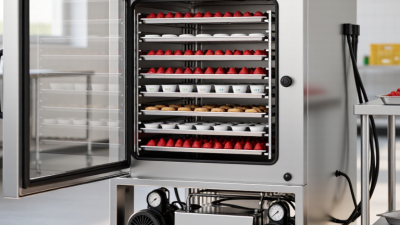
Check the machine’s rated wattage, voltage, and circuit requirements before buying. A higher-capacity model may need more power and a dedicated outlet, so confirm the electrical load with a qualified electrician. Compare energy per completed batch, not just the number on the nameplate. Also ask how long typical cycles take; slow cycles can limit weekly output even when trays look generous. I would not choose by capacity alone. That is an easy mistake. Leave space for a vacuum pump, warm exhaust, and loading trays without awkward twisting. If the seller cannot provide realistic batch and power figures, pause and verify them against the specification sheet.
How to Choose the Best Food Freeze Dryer for Sale?
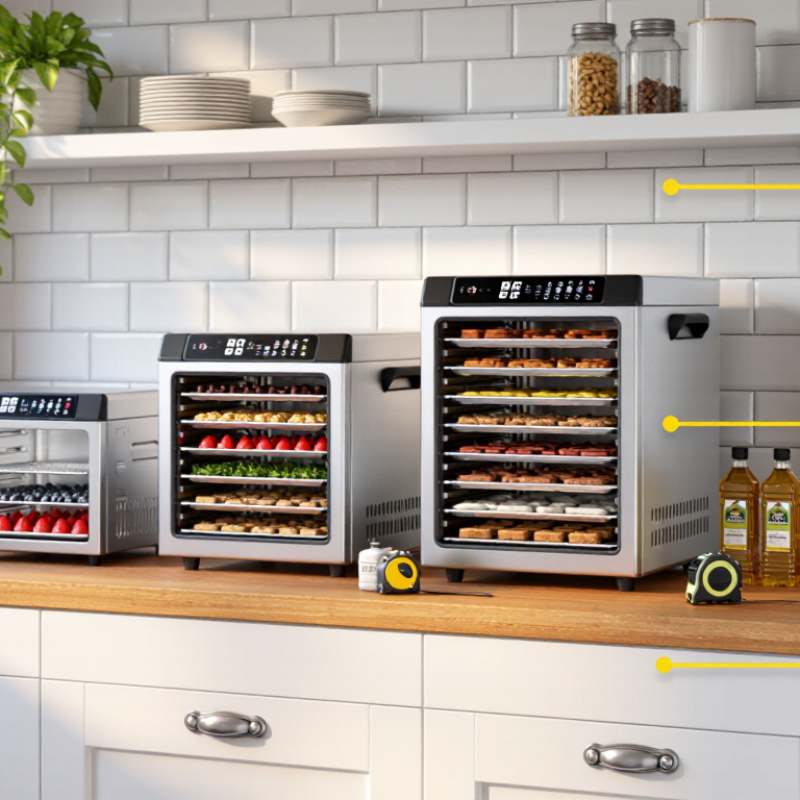
Compare batch capacity, floor footprint, and rated power before choosing a freeze dryer.
Scores show each model’s value as a percentage of the largest figure in that category; hover over a bar for the illustrative actual figures. Larger capacity may require more space and power. Specifications vary by machine, so confirm load capacity, installation clearance, and electrical requirements with the supplier.
Evaluate Drying Performance, Controls, and Ease of Cleaning
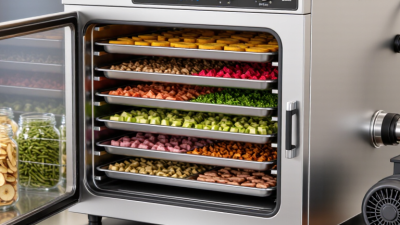
A food freeze dryer should handle your usual ingredients consistently, not just a sample batch. Compare usable shelf area, recommended load, and cycle times under similar conditions. Thick apple slices and delicate herbs dry differently, so ask how the machine monitors product temperature and drying progress. If possible, inspect a completed batch for uneven texture or damp centers. Published figures help, but real food tells a fuller story.
Controls should make adjustments clear rather than bury them in menus. Look for readable temperature settings, cycle-stage indicators, alerts, and a manual that explains what to do when readings vary. Saved recipes can be useful, though they may need adjustment for slice thickness and moisture. A glossy screen can impress; it cannot fix confusing instructions. Cleaning matters just as much. Check whether trays lift out easily, chamber corners are reachable, and seals can be inspected without tools. These details are easy to overlook.
Tips: Ask to see the tray-loading and cleanup process before buying. Check drain access and the cleaning guidance for food-contact surfaces. A quick demonstration may reveal awkward steps you would otherwise discover after a long cycle.
Calculate Purchase Price, Operating Costs, and Long-Term Value
A low purchase price can be misleading. Compare the full installed cost, including delivery, electrical work, trays, and any required accessories. Ask for the machine’s usable batch capacity, not just its advertised chamber size. A large chamber may still produce little finished food if trays are shallow or batches take longer than expected.
Estimate operating costs from the manual and your local utility rates. Include electricity, water if the model uses it, routine pump or seal maintenance, and replacement parts. Then divide the annual costs by the amount of finished food you realistically expect to make. Keep a simple log of batch weight, cycle time, and dried yield. Real results vary with food thickness and moisture. They do.
For long-term value, check parts availability, warranty coverage, service access, and the expected maintenance schedule. Compare cost per usable kilogram over several years, while allowing for downtime and repairs. A unit that saves a few hours each week may justify a higher price for frequent use. For occasional batches, that premium may sit idle. Be honest about your workload. My estimates would still include a buffer; home use rarely follows a perfect schedule.
Verify Seller Reputation, Warranty Coverage, and Technical Support
How to Choose the Best Food Freeze Dryer for Sale?
Verify Seller Reputation, Warranty Coverage, and Technical Support
A freeze dryer is a major purchase, so check the seller as carefully as the machine. Look for detailed customer reviews that mention delivery, setup, and service after the sale. Repeated complaints about unanswered emails or missing parts deserve attention. Ask for two recent customer references, if available. A polished product page is not enough.
Read the warranty before paying. Confirm how long coverage lasts, which components are included, and who pays shipping for repairs. Ask whether labor, vacuum-pump parts, and temperature sensors are covered. Small print matters. I would not treat a quick email reply as proof of dependable support; ask a practical question and note how clearly the seller responds.
Technical support should be reachable when you need it. Ask about service hours, typical response times, installation guidance, and access to replacement parts. Get those details in writing. If the dryer arrives but will not hold vacuum, a clear troubleshooting path can save days of guesswork. Support varies, and even a reputable seller may have delays during busy periods. That is worth weighing before choosing the lowest price.