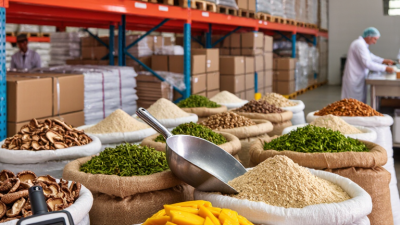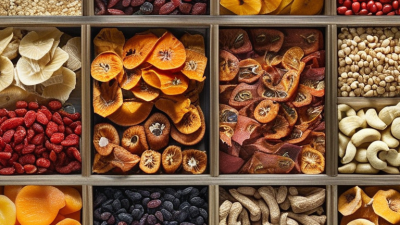
Global buyers in 2026 face a practical challenge: dried goods must travel well and retain the qualities customers expect. The FAO’s 2022 State of Food and Agriculture estimated that 13.2% of food was lost between harvest and retail in 2020. Drying can help extend shelf life, but results depend on the crop, processing method, packaging, and storage. It is not a cure-all.
Food engineer Dr. Shyam S. Sablani’s research offers a useful buyer’s principle: drying is not simply water removal; it is quality control. That sounds simple. It is not. A bright mango slice, for example, may look appealing yet vary in moisture, texture, and consistency between batches. Buyers should assess specifications, traceability, food-safety controls, and sample quality—not rely on polished catalog images alone.
This guide examines leading Dried Food suppliers for global purchasing teams, from ingredient makers to export-focused processors. It considers product range, production capability, documentation, packaging, and communication. These are starting points, not guarantees; supplier performance can change by season and shipment. Ask for current certificates, product specifications, and representative samples, then compare them against your requirements. One detail is easy to miss: the lowest quoted price may not reflect sorting losses, freight, or storage needs. A careful shortlist saves time, but it still needs scrutiny.

By 2026, the dried food supply market is shaped by more than long shelf life. Buyers also need consistent quality, dependable shipping, and clear information about origin. Crop timing and weather can affect color, size, and moisture from one harvest to the next. A sample may look perfect, while the opened cartons tell a less tidy story. Small details count.
Reliable procurement starts with practical specifications. Buyers can define acceptable moisture ranges, cut sizes, packaging materials, and testing requirements before confirming an order. They should also review lot codes and traceability records, then ask how suppliers manage storage and transport. A sealed bag is useful, but it cannot correct poor handling before packing. Moisture matters.
Shipping routes, port delays, and changing harvest volumes can all affect lead times. Keeping more than one qualified source may reduce disruption, though it can make quality comparisons harder. Even careful forecasts miss things: a late rainy season can change a crop’s texture, and market prices may shift before contracts are renewed. I would not treat a low quote as proof of efficiency without checking product samples, documentation, and delivery history. Buyers who record those checks can make better-informed decisions, while accepting that no supply plan is perfectly predictable.
Dried fruit, vegetables, mushrooms, and grains each need different sourcing checks. For fruit, confirm moisture limits, cut size, color expectations, and whether added sugar or preservatives are used. Ask suppliers for recent laboratory results and clear lot identification. Dried vegetables should be checked for consistent piece size, foreign matter, and rehydration performance. For mushrooms, verify the species, growing or harvest origin, drying method, and cleanliness. Small details matter.
Packaging and handling deserve equal attention. Moisture-barrier bags help protect products during storage, but buyers should confirm the proposed pack suits their shipping route and expected shelf life. Request specifications, sample lots, and certificates relevant to the product, then compare the documents with the actual sample. A tidy specification sheet is useful, but it cannot show every difference between batches. Even careful sourcing cannot remove all variation.
Tips: Ask for measurable limits, not just words like “premium” or “clean.” Check moisture or water activity, microbial results, and allergen cross-contact controls where relevant. Agree on how defects are assessed before placing a large order. Keep a retained sample for comparison after delivery. Small trial orders can reveal issues that paperwork misses.
For global dried-food buyers in 2026, supplier assessment should start with measurable product controls. Request written limits for moisture, water activity, microbial counts, foreign matter, and relevant residues. Review test results from several recent production lots, not one polished sample. Ask how each lot is traced from raw-material intake to packed cartons. Check whether the supplier’s actual drying lines, storage space, and seasonal sourcing can meet your forecast. A large capacity claim means little without production records.
Data matters. FAO’s 2023 report estimated that 13.2% of food was lost after harvest and before retail in 2021. That makes careful handling and storage worth checking, even for dried products. Review audit scope, corrective-action records, and certificates against the product and facility—not just a certificate image. Confirm destination-market requirements with qualified compliance staff. WHO estimated that unsafe food caused 600 million illnesses worldwide in 2010; the figure is broad, but it underscores why documented controls matter.
Tips: Request a small trial lot, compare its texture and color with the specification, and verify the laboratory report independently. Ask for a mock traceability exercise. If the supplier cannot identify the lot’s origin and packing date quickly, pause. No checklist catches everything; I’d also revisit supplier performance after the first shipment, because real-world consistency can be less tidy than an audit file.
Use this evidence-based scorecard to compare prospective dried-food suppliers without relying on brand rankings. Screening thresholds below are suggested buyer criteria, not claims about any specific supplier; adjust them for product, order size, and destination market.
| Assessment Area | Evaluation Metric | Suggested Weight | Practical Screening Benchmark | Evidence to Request or Verify |
|---|---|---|---|---|
| Food Safety & Quality | Food-safety management system | 15% | Confirm that the manufacturing site operates a documented food-safety system appropriate to its products and markets. Treat certification as supporting evidence, not a substitute for an audit. | Current certificate and scope; issuing-body details; latest audit summary; corrective-action records. Verify the site, product scope, and validity directly with the certification body where possible. |
| Food Safety & Quality | Product specifications and lot testing | 12% | Require an agreed specification for each product, including applicable moisture or water-activity limits, foreign-matter limits, microbiological criteria, and sensory attributes. | Signed product specification; representative certificate of analysis (COA); test methods, laboratory details, sampling plan, and lot-identification information. |
| Food Safety & Quality | Contaminant and pesticide controls | 12% | Confirm that testing and controls address the product and destination-market rules. Applicable limits vary by food, contaminant, jurisdiction, and date. | Risk-based test results for relevant hazards; pesticide-residue documentation; supplier approval controls; evidence of review against applicable rules, including EU Regulations 2023/915 and 396/2005 where relevant. |
| Food Safety & Quality | Traceability and recall readiness | 10% | Require lot-level traceability from incoming raw materials through processing and shipment. Conduct a mock trace or recall exercise before approval. | Traceability procedure; sample lot records linking raw-material and finished-product lots; mock-recall results; documented product-withdrawal and recall process. |
| Production Capacity | Available capacity versus buyer forecast | 12% | Assess demonstrated capacity for the specified product and season. A useful buyer-set screening target is confirmed available capacity of at least 1.25 times forecast demand during the agreed supply window. | Product- and site-specific capacity statement; recent production records; seasonal sourcing plan; current order book; explanation of any subcontracting or shared production lines. |
| Production Capacity | Lead time and delivery performance | 10% | Agree order confirmation, production, and dispatch lead times in writing. Compare promised delivery dates with documented performance over recent comparable orders. | Historical on-time-in-full data with the measurement period and denominator stated; production schedule; shipment records; escalation and delay-notification procedure. |
| Production Capacity | Raw-material sourcing resilience | 8% | Evaluate crop-season exposure, origin concentration, approved growing or collection regions, and contingency plans for shortages or quality variation. | Origin and seasonality information; approved-source list; supplier approval process; documented contingency plan; change-notification commitment for origin or process changes. |
| Compliance & Trade Readiness | Destination-market regulatory compliance | 10% | Confirm product, facility, labeling, and import requirements for every destination. For U.S. food imports, assess applicable FDA requirements, including relevant FSMA preventive-controls and foreign-supplier verification obligations. | Regulatory responsibility matrix; facility and importer records where applicable; hazard analysis or preventive-controls documentation; import and labeling review for the target market. |
| Compliance & Trade Readiness | Labels, allergens, and packaging | 6% | Check ingredient declarations, allergen controls, language, net quantity, date marking, country-of-origin information, and packaging suitability against destination rules and buyer specifications. | Approved artwork; ingredient and allergen statements; packaging material specifications; food-contact compliance documentation where required; documented label-approval process. |
| Commercial & Operational Fit | Export documentation and shipment handling | 5% | Confirm that the supplier can prepare the documents and shipment conditions required by the buyer, product, route, and destination. | Sample commercial invoice, packing list, certificate-of-origin process, shipping instructions, and any product-specific certificates required for the transaction. |
| Total Recommended Score Weight | 100% | Score each criterion consistently—for example, from 1 (insufficient evidence) to 5 (verified and strong)—and retain supporting records for each rating. | ||
Regulatory references are examples, not a complete compliance checklist. Confirm current requirements with qualified regulatory and import specialists for the specific product and destination market.
Southeast Asia is a strong source of dried mango, pineapple, banana, and coconut. Warm conditions support several harvest cycles, while established processors can offer different cuts and moisture levels. India and China supply dried onions, chilies, mushrooms, and other vegetables at scale. Yet “regional strength” is only a starting point. Quality can shift between seasons and factories.
Turkey and nearby Mediterranean producers are known for dried apricots, figs, and raisins. Buyers often value their concentrated flavor and established sorting practices. North African regions add dates, ranging from soft varieties to firmer fruit suited to processing. In South America, suppliers produce raisins and prunes, while North American processors handle apples and berries. The product mix matters more than a region’s reputation.
Look closely at the details. Check moisture levels, size grading, color consistency, and packaging protection against humidity. Ask for recent samples from the actual harvest, not just a specification sheet. A useful sample may still fail at container scale. That uncertainty deserves attention. Harvest timing, drying methods, and storage conditions can change texture and shelf life, even when paperwork looks consistent.
A snapshot of established product specializations across major sourcing regions.
The bars count the product examples listed for each region; they do not represent production, export value, market share, or supplier rankings. Examples are illustrative, and regional supply varies by product and season.
Global buyers should compare dried-food suppliers on more than price. Request lot-specific certificates of analysis, moisture readings, water-activity results, and records of contaminant testing. Check that sample results match production-lot documents. Ask how suppliers control drying temperatures, packaging seals, and warehouse humidity. Small details matter.
FAO’s 2019 State of Food and Agriculture estimated that 14% of food is lost between harvest and retail. That broader figure is not specific to dried foods, but it highlights the value of careful handling.
Sourcing reviews should also test delivery resilience. The World Bank’s 2023 Logistics Performance Index report puts the average journey for an international shipment at about 44 days, with variation of roughly 10 days. Build realistic buffers into inventory plans, and ask suppliers about alternate routes, seasonal capacity, and packaging that protects goods during transit. Verify traceability with a mock lot recall, not just a presentation. It is easy to underestimate the work involved.
Compare suppliers using the same written specifications, independent test methods, and sample sizes. Review corrective-action records, audit dates, and the process for notifying buyers when a shipment falls outside agreed limits. A polished sample can still hide inconsistent production. Where practical, qualify a backup source before a disruption occurs, while checking that its product performs similarly in your own storage conditions.