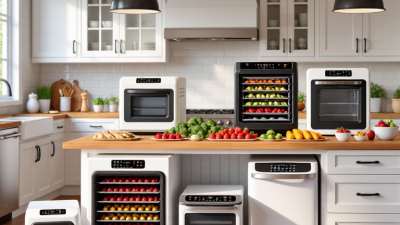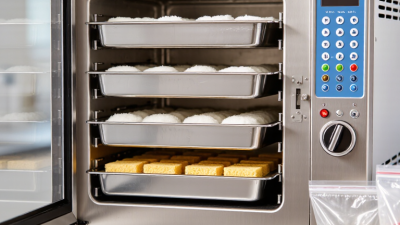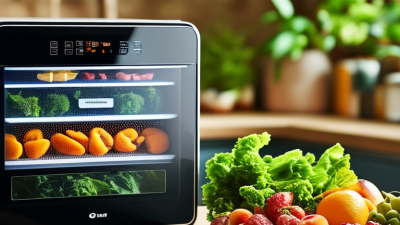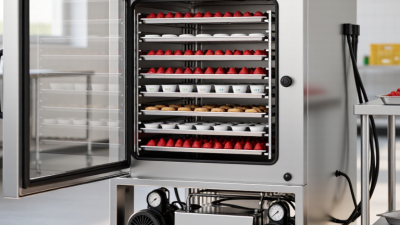
Home freeze drying has moved from a specialist preservation method into a serious kitchen investment. Grand View Research valued the global freeze-dried food market at approximately US$7.28 billion in 2023 and projected continued growth through 2030. That figure covers commercial products, not household machines. Still, it points to rising interest in lightweight foods with long storage potential. The appeal is easy to picture: strawberries turning crisp, garden herbs packed into jars, and leftovers kept for another day. A Freeze Dry Machine For Home can make that possible, but results depend on food type, preparation, cycle length, and careful storage. It is not quite “set it and forget it.”
Choosing a machine means weighing more than its advertised capacity. Consider counter space, batch size, noise, power use, vacuum-pump maintenance, and the time each cycle occupies. A tray of fruit may look simple; a full load can take many hours and require airtight packaging afterward. Details matter. This guide compares seven home models by practical features, operating demands, and likely fit for different households. Product specifications are not the same as independent performance testing, so treat manufacturer claims as a starting point. Some trade-offs are easy to miss. A larger unit may save repeated batches, yet consume valuable space. And honestly, there is no perfect pick for every kitchen. The right choice depends on what you plan to preserve, how often you will use it, and how much hands-on work you accept.
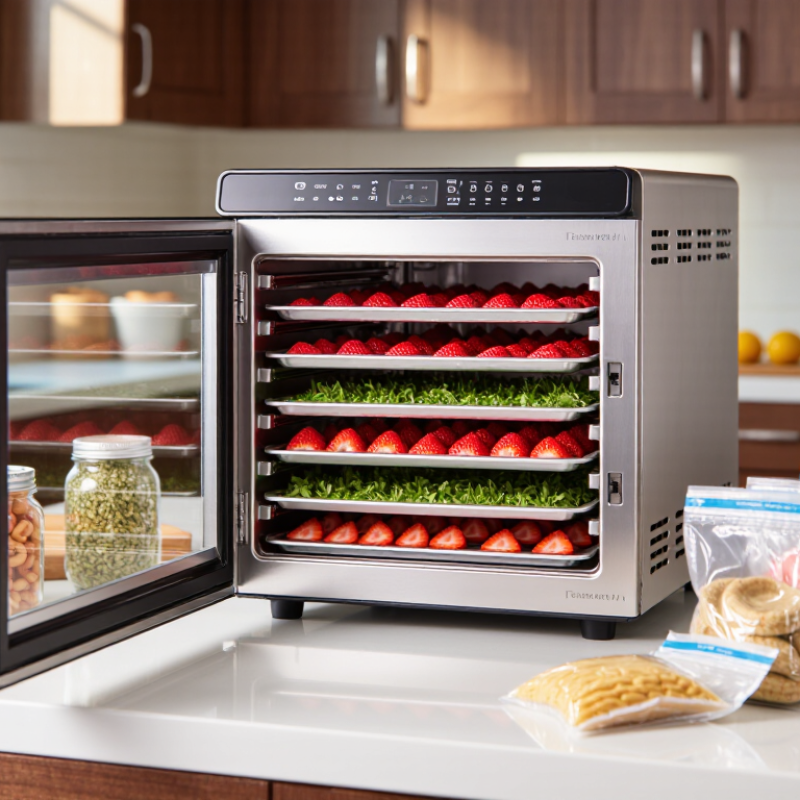
How Home Freeze Drying Works
Home freeze drying removes water in stages, rather than simply blowing warm air over food. First, food freezes solid on trays. Under vacuum, ice changes directly into vapor through sublimation. A condenser captures much of that vapor. During primary drying, most ice leaves; secondary drying removes more tightly held moisture. The process can take many hours, depending on food thickness, water content, and machine load. Thin, evenly cut apple slices usually dry more consistently than crowded, uneven pieces.
The science is precise; home results are not always. ASHRAE’s 2022 Handbook—Refrigeration describes freeze drying as a low-pressure process that relies on sublimation. In practice, uneven chunks may still feel cool or leathery at the center. Break a sample open and check for cold, damp spots before packaging. That check helps, but it is not a laboratory moisture test.
Moisture matters. The FDA Food Code (2022) uses 0.85 water activity as an important regulatory cutoff for certain food controls. That figure is not a guarantee that a home-dried batch is safe or shelf-stable. Store finished food promptly in airtight, moisture-resistant packaging, away from heat and light. A brief exposure to humid kitchen air can undo careful drying. It is easy to overlook that.
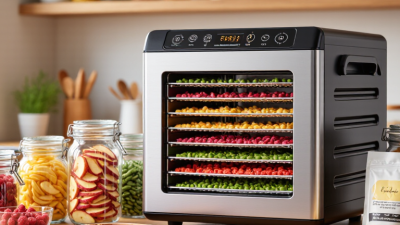
A home freeze dryer should fit your routine, not just your pantry. Compare usable tray area and batch capacity, since advertised capacity may not reflect the food you actually load. Check the machine’s footprint, door clearance, and weight before choosing a spot. It needs stable support and room for ventilation. Also compare cycle time, power requirements, and operating noise; a machine running overnight may sound louder in a quiet kitchen.
Tips: Measure your counter and doorway first. Leave space for the exhaust hose and routine cleaning. Keep a simple log of batch size, cycle time, and results.
Look closely at temperature controls, cycle monitoring, and alerts. Clear readings can help you spot a stalled cycle before food is packed away. Pump type matters, too: compare oil changes or filter cleaning, replacement costs, and the instructions for maintenance. Check whether trays and seals are easy to remove and wash. Warranty terms and access to support are worth comparing, not just the purchase price. A larger unit sounds convenient, but it may sit unused if batches are small. And capacity is only part of the story; drying results depend on preparation, piece size, and moisture. That detail is easy to underestimate.
Compare these seven practical features before choosing a home freeze dryer. Exact specifications vary by model, so check the manufacturer’s documentation for the unit you are considering.
| Feature to Compare | What to Check | Why It Matters | Useful Buying Guideline |
|---|---|---|---|
| 1. Batch Capacity | Look for the stated food capacity per batch, and check whether it is measured by fresh-food weight, tray area, or another method. | Capacity determines how much food can be processed in one cycle. A larger stated capacity may require more room and longer loading or unloading. | Match the rated batch size to the amount you regularly prepare. Compare figures using the same measurement basis. |
| 2. Tray Count and Layout | Compare the number of trays, usable tray dimensions, spacing, and whether trays can be removed independently. | Tray area affects how much food fits and how easily different foods can be arranged. Overcrowding can interfere with even drying. | Check the usable dimensions rather than relying on tray count alone. Leave space around food as directed in the manual. |
| 3. Condenser Performance | Check the ice condenser’s stated operating temperature and capacity, if provided, along with the required defrost procedure. | During freeze drying, water leaves frozen food as vapor and is captured as ice on a cold condenser. The condenser must be able to handle the moisture load. | Choose a unit whose documented capacity suits your typical batch. Confirm how ice is removed and how long the unit needs to defrost. |
| 4. Vacuum Pump | Compare pump type, maintenance requirements, oil-change guidance if applicable, and the availability of replacement parts. | A vacuum pump creates the low-pressure conditions needed for sublimation. Pump upkeep can affect convenience and long-term operating costs. | Oil-lubricated pumps require oil monitoring and maintenance; oil-free designs avoid oil changes but still need the care specified by their manufacturer. |
| 5. Power Requirements | Check voltage, current, plug type, circuit requirements, and the unit’s published power consumption. | Electrical needs vary between machines and regions. A suitable outlet and circuit are necessary for safe operation. | Verify the rating plate and manual before purchase. Do not assume a standard household outlet is sufficient for every model. |
| 6. Cycle Time and Controls | Review typical cycle duration, automatic versus manual settings, cycle alerts, and whether the machine allows additional drying time. | Cycle length depends on factors such as food type, piece size, moisture content, batch loading, and machine settings. | Treat advertised cycle times as estimates, not guarantees. Look for clear controls and instructions for checking whether food is fully dry. |
| 7. Size, Noise, and Cleaning | Measure the machine’s footprint and height; check ventilation clearance, operating noise information, chamber cleaning, and drain access. | A home freeze dryer needs a suitable, ventilated location and routine cleaning. Pump and refrigeration components can produce noticeable operating noise. | Measure the intended space before ordering and follow the manufacturer’s clearance requirements. Consider where the machine can run for an extended cycle. |
Freeze-dried food should be fully dry before storage and protected from moisture and oxygen using appropriate airtight packaging. Follow food-safety guidance and the machine’s instructions for preparation, operation, and storage.
Seven freeze-dry machines for home use should be compared by more than tray count. A larger chamber may handle a garden harvest, but it also needs more counter space and careful loading. Check published batch capacity, cycle-time range, power requirements, vacuum-pump maintenance, noise, and replacement-part access. These details affect daily use more than a glossy control panel. The USDA estimates that 30–40% of the U.S. food supply is wasted. That figure gives home preservation context, but it does not prove a machine will reduce waste in every household.
When comparing seven models, use the same food and portion size where possible. Fruit slices should be similar in thickness; uneven pieces may finish at different times. Look for clear instructions on pre-freezing, moisture checks, and safe storage after processing. Compare warranty terms and customer-service access, too. A neat ranking can mislead: advertised capacity may not reflect a practical load, and cycle times vary with ingredients and preparation. I would treat any single “best” pick cautiously.
Tips: Measure your available space before shopping, including room for ventilation and the pump. Keep a simple log of food type, load size, and cycle duration. It helps reveal patterns, though results can still vary between batches.
Choosing a home freeze dryer starts with what you will preserve, not the largest capacity you can afford. The United Nations Environment Programme’s Food Waste Index Report 2024 estimates that households generated 60% of the 1.05 billion tonnes of food wasted worldwide in 2022. That figure is not a reason to buy a machine by itself; it does make realistic meal planning worth considering. List the foods you regularly have in surplus, then estimate how many trays each batch would fill. A large chamber can sit underused, while a small one may turn a garden harvest into several long work sessions.
Compare usable tray area, batch capacity, cycle duration, power requirements, noise, and the cost of packaging and replacement parts. USDA estimates that 30–40% of the U.S. food supply is lost or wasted, but a freeze dryer will not prevent every kind of waste. It is most useful when you can freeze-dry foods you already eat and store them in airtight packaging. Check the manual for operating conditions and cleaning steps, too. They matter more than a polished control panel. A common buying mistake is treating tray count as capacity; tray size and food thickness change how much fits in practice. Leave room in your budget for electricity and storage supplies, and verify the machine’s dimensions before choosing a spot. Short cycles are not guaranteed.
Operating a home freeze dryer safely starts before the trays go in. Keep the unit on a level, dry surface with clear airflow around its vents. Check the cord, chamber seal, and drain hose for wear before each batch. A vacuum pump can become hot, so let it cool before handling or changing oil. Keep hands dry near electrical connections. Small details matter.
Clean hands, trays, and food-contact surfaces before loading. The CDC estimates that foodborne illness causes 48 million illnesses in the United States each year; careful handling helps reduce avoidable contamination. Freeze drying removes moisture, but it does not reliably kill every pathogen. The FDA Food Code uses a water activity threshold of 0.85 in certain food-safety controls, but low moisture should not be mistaken for sterilization. Store fully dried food in clean, airtight containers, and discard batches that smell unusual or show moisture after storage.
Tips: Wear eye protection when handling brittle food, and never force open a chamber under vacuum. Follow the unit’s manual for venting and cleaning. Keep a simple batch log: food type, drying time, and any signs of incomplete drying. I would not rely on appearance alone; a crisp edge can hide a damp center.